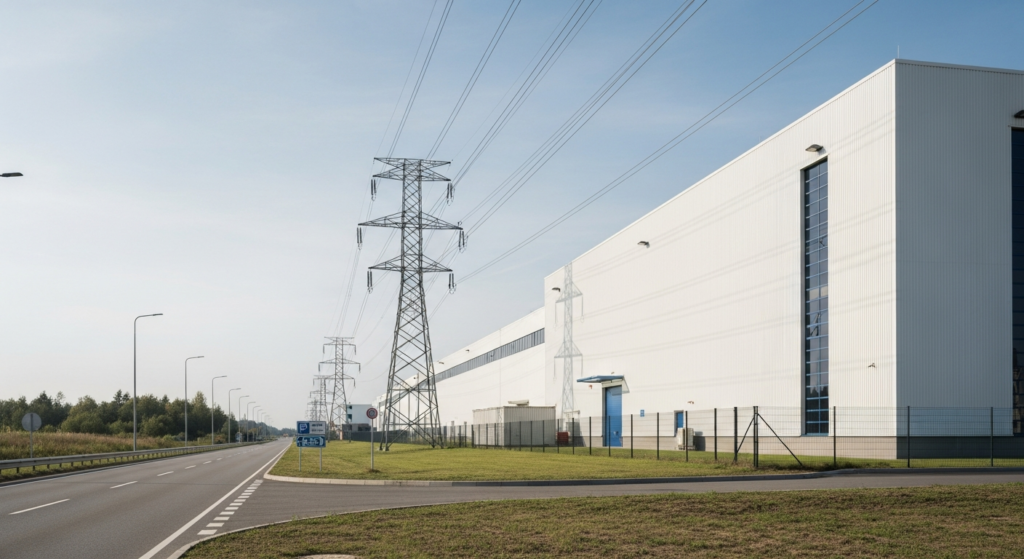
Opponents of the rapid expansion of data centers across the United States staged or planned coordinated protests in at least 125 locations over the July 18 weekend, marking what organizers described as the first concerted national effort to push back against the infrastructure demands of artificial intelligence. The demonstrations underscored a growing public debate over the environmental and economic impacts of these facilities, concerns that hold particular relevance for communities like Hilton Head Island and the surrounding Lowcountry.
The protests spanned a significant portion of the country, with Texas reporting the largest number of planned actions at 16. Georgia saw 11 protests, while California, Florida, and Pennsylvania each hosted seven. The geographic spread highlights a widespread apprehension about the proliferation of these energy-intensive facilities, which are increasingly seen as foundational to the burgeoning AI industry.
The core concerns articulated by protestors centered on several key areas: transparency in the development process, the escalating costs of electricity, the substantial demand for water, potential environmental pollution, and the adequacy of local approval processes. These issues collectively paint a picture of communities grappling with the unbridled growth of a new industrial sector and its footprint on existing resources and infrastructure.
Transparency, or the perceived lack thereof, emerged as a significant point of contention. Critics argue that the planning and approval of data centers often occur with insufficient public input or understanding of their long-term consequences. This can lead to a sense of disenfranchisement among residents who feel that major infrastructure decisions are made without their full knowledge or consent. For a region like Beaufort County, where community engagement in development is often robust, the call for greater transparency in large-scale projects resonates deeply with established local governance expectations.
Electricity costs represent another critical concern. Data centers are notoriously power-hungry, requiring vast amounts of energy to operate servers and cooling systems. The increased demand can strain existing power grids, potentially leading to higher utility rates for residents and businesses. In the Lowcountry, where major employers like Novant Health Hilton Head Medical Center, Beaufort Memorial Hospital, and Sea Pines Resort LLC are significant energy consumers, any substantial increase in regional power demand could have ripple effects across the economy and daily life. The prospect of higher energy bills for households and businesses is a tangible concern that national trends suggest could become more pronounced as AI infrastructure expands.
Water usage by data centers is also a major point of contention. Cooling systems in these facilities often consume millions of gallons of water annually, raising alarms in areas already facing water scarcity or environmental sensitivities. Hilton Head Island, a barrier island surrounded by vital estuaries like Port Royal Sound and Calibogue Sound, and with significant natural preserves such as the Sea Pines Forest Preserve and Pinckney Island National Wildlife Refuge, places a high premium on water conservation and the protection of its delicate ecosystems. Any industrial development with substantial water demands would inevitably draw scrutiny from environmental groups and local residents committed to preserving the region’s natural beauty and resources, including waterways like Broad Creek and the May River.
Furthermore, the potential for pollution, both air and noise, from data center operations is a concern for many communities. While modern data centers are designed to minimize their environmental footprint, the sheer scale of some proposed facilities can still generate localized impacts. This could include increased emissions from backup generators or the constant hum of cooling equipment. For a resort destination like Hilton Head Island, where tranquility and pristine natural surroundings are key to its appeal, any development that could introduce significant noise or air quality issues would be viewed with considerable apprehension.
Finally, the adequacy of local approval processes was a recurring theme in the national protests. Many communities feel that their existing zoning laws and permitting procedures are not equipped to handle the unique challenges posed by large-scale data center developments. This can lead to rushed decisions, insufficient environmental impact assessments, or a failure to properly consider the cumulative effects of multiple projects. In Beaufort County, where land use planning is a continuous and often complex process, ensuring that local authorities have the necessary tools and expertise to evaluate such projects transparently and thoroughly is paramount.
A public opinion poll cited in connection with the protests found that only 14 percent of respondents supported having an AI data center built in their own community. This low level of public acceptance underscores the challenges developers face in gaining community buy-in, particularly as the perceived benefits of these facilities often accrue to distant corporations while the costs are borne locally.
While there are no immediate plans for a large-scale AI data center on Hilton Head Island or within Beaufort County that have been publicly announced, the national conversation serves as a bellwether for future development discussions. The Lowcountry, a region experiencing significant growth, must continually evaluate how new industries and infrastructure demands align with its long-term goals for economic development, environmental stewardship, and quality of life. The concerns raised nationally — about resource allocation, environmental impact, and transparent governance — are not abstract; they are fundamental questions that any growing community, including those within the Lowcountry, must address as technology continues to evolve.
Why it matters in Hilton Head Island
The national discourse surrounding data center expansion directly informs future infrastructure and environmental planning within Hilton Head Island and Beaufort County. As a region focused on sustainable growth and the preservation of its natural assets, the concerns about electricity demand, water usage, and potential pollution from large industrial facilities are highly relevant. For institutions like the Beaufort County School District, which serves a growing population, and major employers such as Novant Health Hilton Head Medical Center, reliable and affordable access to utilities is critical. Any significant strain on the regional power grid or water supply could impact operational costs and the overall quality of life for residents. The emphasis on transparent local approval processes highlighted by the protests underscores the importance of robust public engagement and careful consideration by Beaufort County planning bodies for any future large-scale developments, ensuring they align with the community’s vision for its future and protect vital resources like the Broad Creek and the island’s unique coastal environment.
Section: More Hilton Head Island SC business news
Hilton Head Island business profiles
Filed under: Hilton Head Island SC Business News