Deer hunters across the Lowcountry are undertaking comprehensive preparations for the upcoming season, focusing on equipment integrity, strategic stand placement, and advanced mapping technologies. This period of meticulous readiness, occurring during the late summer months, is critical for ensuring both a successful and safe experience in the field.
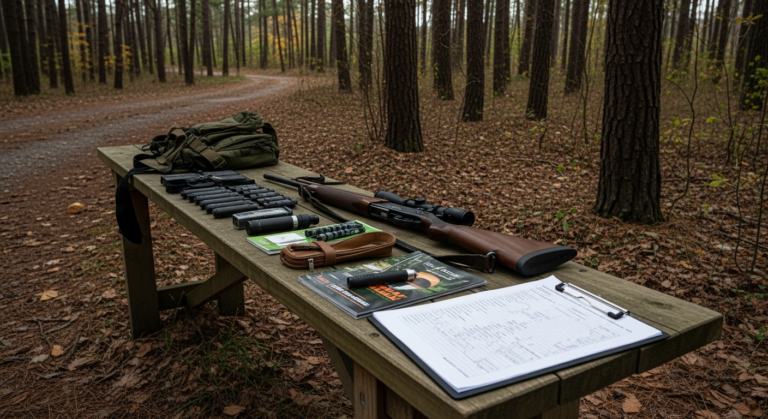
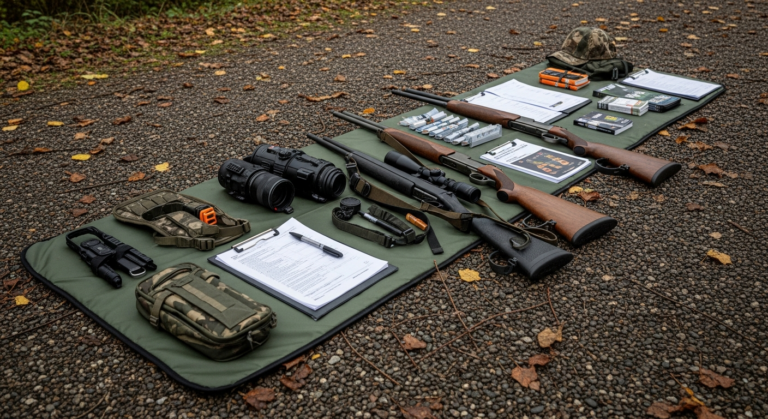
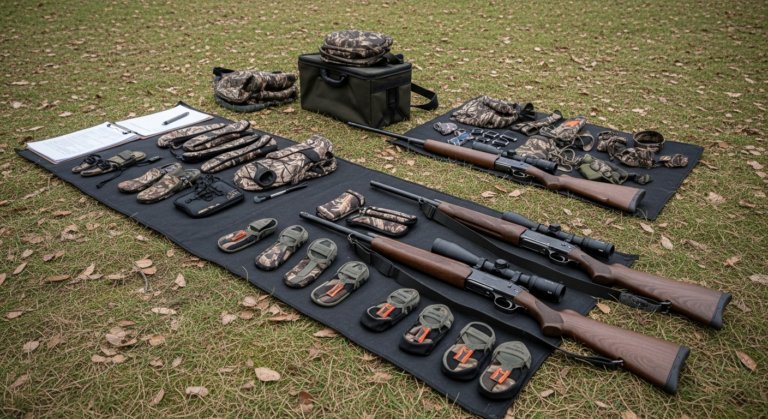
Central to preseason readiness is the thorough inspection of all hunting weaponry. For bowhunters, this involves a detailed examination of bows for any signs of wear, such as separated limbs, cam issues, or frayed strings. It is recommended that strings be waxed regularly and any questionable components be replaced proactively. Consistent practice shooting is also emphasized to build and maintain accuracy and consistency. Rifle owners, similarly, are advised to clean and oil their firearms, verify that scopes are securely mounted, and confirm zero at a shooting range. For those using broadheads, an arrow spinner can be utilized to check for straightness and proper alignment, which is crucial for ethical and effective hunting.
Safety equipment, particularly treestands and harnesses, demands equal scrutiny. Treestands, ladder stands, and climbing sticks should be thoroughly checked for rust, loose fasteners, cracks, and frayed straps that could compromise structural integrity. Full-body harnesses, a vital safety component, must be tested and practiced with, ideally in conjunction with a lifeline, to ensure familiarity and proper function in an emergency. These inspections are not merely procedural; they are fundamental to preventing accidents in elevated positions.
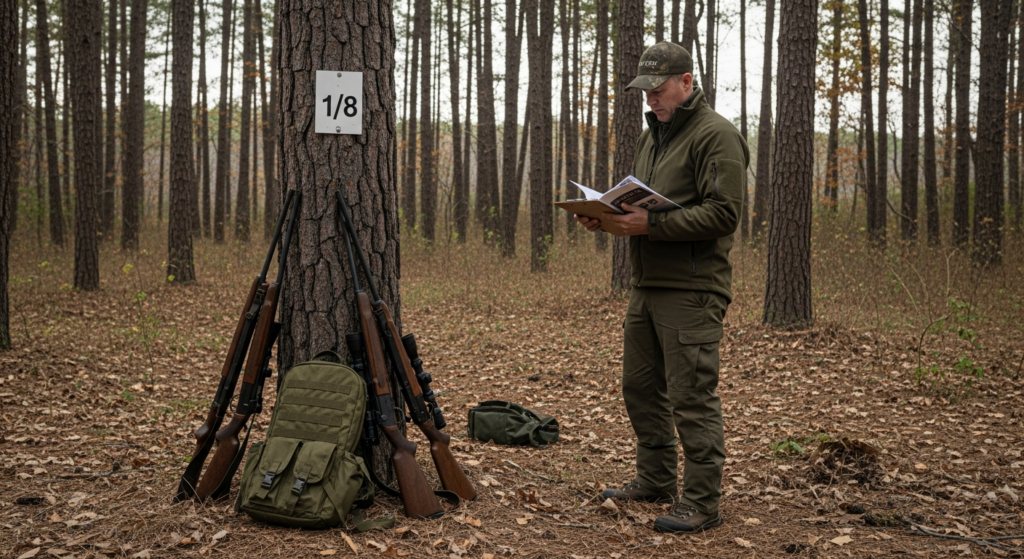
Strategic stand placement is another cornerstone of effective preseason planning. Hunters are advised to hang stands early, identifying key topographical features such as pinch points, funnels, creek crossings, or staging areas located near food sources or bedding grounds. When trimming shooting lanes, a conservative approach is recommended to avoid over-clearing, which can alert deer to a hunter’s presence. Utilizing quiet, scent-free methods during stand setup is paramount to minimize disturbance and leave minimal trace. Map scouting, a crucial preliminary step, involves studying contour lines to identify saddles, ridges, and draws where deer naturally travel. Hunters should also pinpoint creeks, ponds, low spots, agricultural fields, oak stands, natural browse areas, and potential access points. Planning entry and exit routes for various wind conditions is essential to avoid detection.
Trail cameras have become indispensable tools for monitoring deer movement and patterns. Optimal placement includes mineral licks, trails connecting bedding to feeding areas, field edges and corners, and water sources. Before deployment, batteries should be fully charged, and SD cards formatted and labeled. Testing the field of view and motion settings ensures that cameras capture the desired activity. Cellular cameras require activation and updates prior to being placed in the field, ensuring they transmit data effectively. Powering these devices can involve various options, including lithium cartridges, solar panels, folding solar panels, and battery belts, offering flexibility for extended deployment.
Advanced mapping features, such as those offered by the Xtra add-on to Tactacam REVEAL plans, provide hunters with enhanced situational awareness. Starting at $4 per month, these services offer detailed mapping that includes property boundaries, property information, landowner names and addresses, and property access points. The tools also allow for shape and path drawing, custom pin placement, and integrated navigation features, significantly aiding in scouting and planning efforts, especially on private land. Coordinating with private landowners is a critical aspect of ethical hunting, ensuring clear communication and adherence to property rules.
Beyond equipment and strategy, personal readiness is also emphasized. This includes preparing scent-free clothing and footwear to minimize human odor, assembling comprehensive camping equipment for extended trips, and packing essential contents for a hunting pack. Physical conditioning is also a key component, as hunting often involves strenuous activity over varied terrain. These preparations collectively contribute to a more effective, safer, and ultimately more rewarding hunting season for enthusiasts across the Lowcountry, including those from Hilton Head Island.
Why it matters in Hilton Head Island
For residents of Hilton Head Island and the wider Beaufort County, the emphasis on responsible and thorough preseason hunting preparation underscores a broader commitment to land stewardship and outdoor recreation that defines much of the Lowcountry lifestyle. The region’s rich natural environment, encompassing diverse habitats from marshlands to maritime forests, supports a variety of wildlife, including deer. Practices like careful equipment maintenance, strategic land use planning, and adherence to safety protocols are not just about individual success; they contribute to the sustainable management of wildlife populations and the preservation of natural resources across Beaufort County. This diligent approach helps ensure that the outdoor heritage, which is a significant draw for many who live in or visit Hilton Head Island, remains vibrant and accessible for future generations, reflecting a deep respect for the ecosystem that defines this unique coastal community.