A new comprehensive safety guide has been issued, detailing critical precautions for individuals engaging in fishing activities, particularly during the summer months when environmental risks are heightened. The guide, which addresses sun exposure, hydration, proper gear, and emergency protocols, is particularly pertinent for anglers in areas like Hilton Head Island, where water-based recreation is a significant part of the seasonal experience.
Central to the guide’s recommendations is the imperative for robust sun protection. It highlights that the sun’s ultraviolet (UV) rays are most intense between 10 AM and 4 PM, a period when many recreational fishing excursions occur. Furthermore, water surfaces can reflect up to 15% of UV radiation, effectively increasing exposure for those on boats or near shorelines. To counter this, the guide strongly advises the use of broad-spectrum sunscreen with a minimum SPF of 30, with SPF 50 or higher recommended for extended periods on the water. Proper application involves applying sunscreen 30 minutes before sun exposure and re-applying it every two hours, or more frequently if sweating heavily or after splashing.
Beyond topical protection, the guide emphasizes the importance of physical barriers against the sun. Recommended protective equipment includes lightweight, long-sleeved UPF-rated clothing, which offers a measurable level of UV protection. Light-colored garments are also suggested, as they reflect sunlight more effectively than darker hues. A wide-brimmed hat, providing at least four inches of coverage around the entire head, is crucial for shielding the face, ears, and neck. Polarized sunglasses with 100% UV protection are also listed as essential to protect eye health from both direct and reflected sunlight.
Hydration is another cornerstone of the new safety recommendations, especially given the warm and often humid conditions prevalent in the Lowcountry during summer. The guide advises drinking at least eight ounces of water every 15 to 20 minutes during active fishing. This proactive approach to fluid intake should ideally begin the night before an outing, ensuring the body is well-hydrated from the outset. Beverages high in caffeine or alcohol are explicitly discouraged, as they can contribute to dehydration rather than alleviate it.
Understanding the signs of dehydration is presented as a critical safety measure. Early indicators include thirst, dry mouth, decreased urination, and general fatigue. As dehydration progresses, more severe symptoms can manifest, such as dizziness, a rapid heartbeat, and confusion. These advanced signs warrant immediate attention and a cessation of activity. The guide also provides clear warnings regarding heat stroke, a life-threatening condition. Symptoms of heat stroke include a body temperature exceeding 103°F, an altered mental state, hot and dry skin (though sweating may still occur in some cases), a rapid pulse, and potential unconsciousness. In such instances, the guide instructs individuals to call 911 immediately and initiate aggressive cooling measures while awaiting emergency medical services.
For those venturing out on the water in boats, specific preparatory steps are outlined to enhance safety. Prior to departure, it is recommended to thoroughly check the engine cooling system to prevent mechanical failures. All required safety equipment, including life vests and signaling devices, should be onboard and in good working order. Filing a float plan with a trusted contact, detailing the intended route and estimated return time, is advised as a crucial step for search and rescue operations if a vessel becomes overdue. Anglers are also encouraged to carry extra water and emergency supplies, including a VHF radio for reliable communication. A minimum of one gallon of water per person per day is recommended for emergency reserves, underscoring the potential for prolonged exposure in unforeseen circumstances.
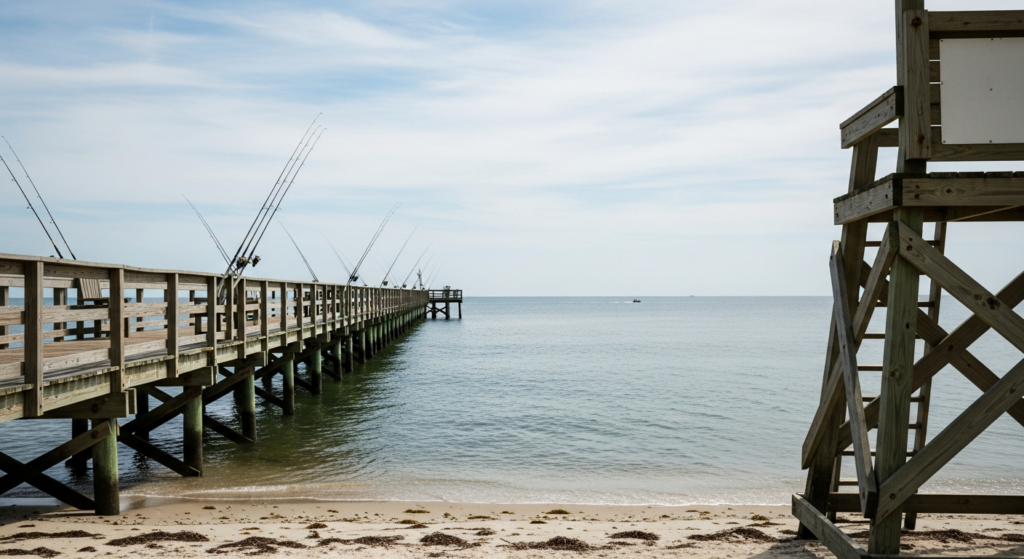
The guidelines are particularly relevant for the diverse fishing opportunities around Hilton Head Island, from the tidal creeks of Broad Creek and Skull Creek to the open waters of Port Royal Sound and Calibogue Sound. Whether casting from a pier at Coligny Beach Park or navigating the estuaries, adherence to these safety measures can significantly reduce risks. The emphasis on preparedness reflects a broader effort to ensure that recreational activities remain safe and enjoyable for both residents and the many visitors drawn to the waters of Hilton Head Island each year.
Why it matters in Hilton Head Island
The comprehensive fishing safety guide holds particular importance for Hilton Head Island, a community deeply intertwined with its coastal environment and water-based recreation. With popular fishing spots like Broad Creek and the surrounding sounds, and a significant tourism economy built around outdoor activities, the health and safety of anglers directly impact the island’s well-being. Adherence to these guidelines can reduce the strain on local emergency services, including those provided by Novant Health Hilton Head Medical Center, by preventing heat-related illnesses and boating incidents. Promoting safe practices ensures that both residents and the millions of annual visitors can continue to enjoy the island’s natural resources responsibly, safeguarding public health and maintaining Hilton Head Island’s reputation as a premier, safe destination for outdoor enthusiasts.