Anglers venturing onto the waters around Hilton Head Island this summer are advised to adhere to a comprehensive set of safety guidelines designed to mitigate risks associated with sun exposure, dehydration, and heat-related emergencies. The recommendations underscore the importance of proactive measures for both personal well-being and equipment readiness.
Sun protection is a primary focus, given that the sun’s rays are most intense between 10 AM and 4 PM, with water surfaces capable of reflecting up to 15% of UV radiation. The guide recommends using a broad-spectrum sunscreen with at least SPF 30, and SPF 50 or higher for extended periods on the water. Sunscreen should be applied 30 minutes before outdoor activity and reapplied every two hours, or more frequently if sweating heavily or after splashing.
Beyond sunscreen, protective clothing is crucial. Lightweight, long-sleeved garments with a UPF (Ultraviolet Protection Factor) rating are advised, preferably in light colors to reflect heat. A wide-brimmed hat offering at least four inches of coverage and polarized sunglasses with 100% UV protection are also recommended to shield the face and eyes from harmful rays.
Hydration is another critical component of summer safety. Anglers should consume at least eight ounces of water every 15 to 20 minutes during active fishing. Beverages high in caffeine or alcohol should be avoided, as they can contribute to dehydration. Sports drinks may be beneficial for replacing electrolytes lost through sweating, particularly during prolonged activity in warm conditions.
Understanding the signs of heat-related illness is vital for anyone spending time outdoors. Heat exhaustion symptoms include heavy sweating, weakness, nausea, headache, and muscle cramps. If these symptoms appear, individuals should move to a cooler environment, rest, and rehydrate. Heat stroke, a more severe condition, is characterized by a body temperature above 103°F, an altered mental state, hot and dry skin (though sweating may still be present), and a rapid pulse. Unconsciousness can also occur. Heat stroke is a medical emergency requiring an immediate 911 call and aggressive cooling measures while awaiting professional help.
Timing fishing trips to avoid peak heat is a practical strategy. The guide suggests fishing before sunrise or during the evening hours when temperatures are typically lower. If fishing during the hottest parts of the day is unavoidable, seeking out shaded areas, deeper water, or covered structures can provide some relief from direct sun.
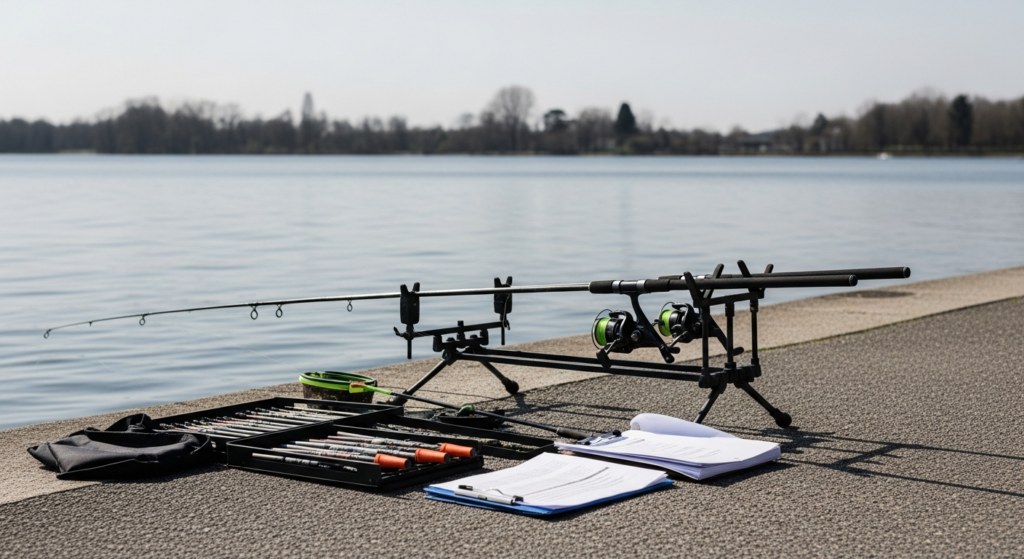
For those fishing from boats, additional safety checks are recommended. Anglers should verify that engine cooling systems are functioning correctly and that all required safety equipment is onboard and in good working order. Filing a float plan with a trusted contact, detailing the trip’s itinerary and expected return time, is also advised. Emergency supplies, including extra water (at least one gallon per person per day for emergencies) and a VHF radio for communication, should be readily accessible. Prioritizing safety over extending a fishing trip is a key tenet, especially when environmental conditions become challenging.
Why it matters in Hilton Head Island
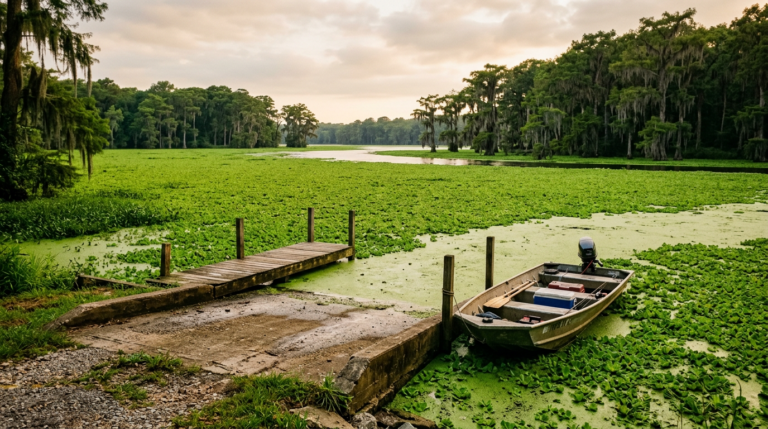
For the many residents and visitors who enjoy fishing in the abundant waters of Broad Creek, Skull Creek, and Port Royal Sound, these safety guidelines are particularly relevant. The summer months on Hilton Head Island bring high temperatures and humidity, increasing the risk of heat-related health issues. Adhering to these precautions can help prevent serious medical emergencies, reducing strain on local healthcare providers like Novant Health Hilton Head Medical Center and ensuring that recreational activities remain safe and enjoyable for everyone. The island’s vibrant fishing community, from casual anglers to seasoned professionals, benefits directly from a heightened awareness of these critical safety practices, hydration, and sun protection practices.