As the annual deer hunting season draws near, hunters throughout Hilton Head Island and the broader Lowcountry region are engaged in a meticulous preseason preparation regimen. The period leading up to opening day is critical for ensuring equipment functionality, personal safety, and a thorough understanding of hunting grounds.
Weapon and optics preparation forms a foundational element of this readiness. For archers, this involves a detailed inspection of bow limbs, cams, and strings for any signs of wear, separation, or fraying. Strings are typically waxed to maintain their integrity and performance. Rifle hunters focus on cleaning and oiling their firearms, a process that removes residue and prevents corrosion, ensuring reliable operation. A critical step for both is verifying scope mounting and zero, confirming that sights are accurately aligned for precise shot placement. Broadhead straightness and alignment are also checked using an arrow spinner, a measure that directly impacts arrow flight and terminal performance.
Beyond weaponry, the readiness of personal gear, particularly clothing and footwear, is paramount. Hunters routinely wash their gear with scent-free detergents to minimize human odor, which can alert deer to their presence. Each item is inspected for holes, worn seams, or fading that could compromise camouflage or protection from the elements. New footwear is broken in well in advance to prevent discomfort and blisters during long treks in the field. Waterproofing treatments are also verified or reapplied to ensure protection against the Lowcountry’s often damp conditions.
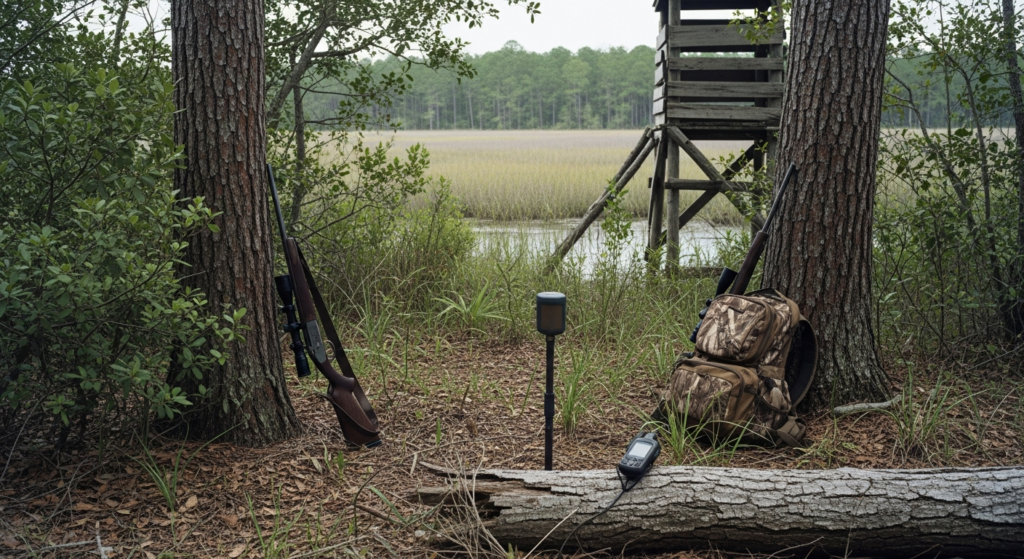
Safety and navigation are non-negotiable aspects of preseason preparation. Treestands, ladder stands, and climbing sticks undergo rigorous inspection for rust, loose fasteners, cracks, or frayed straps that could lead to structural failure. A full-body harness, a critical safety device, is tested with a lifeline to ensure proper function and fit, providing fall protection when ascending or descending stands. Handheld GPS units are charged, and mapping applications on smartphones are updated or downloaded, providing essential navigational tools for traversing unfamiliar terrain. These systems are crucial for pinpointing locations, marking trails, and ensuring a safe return.
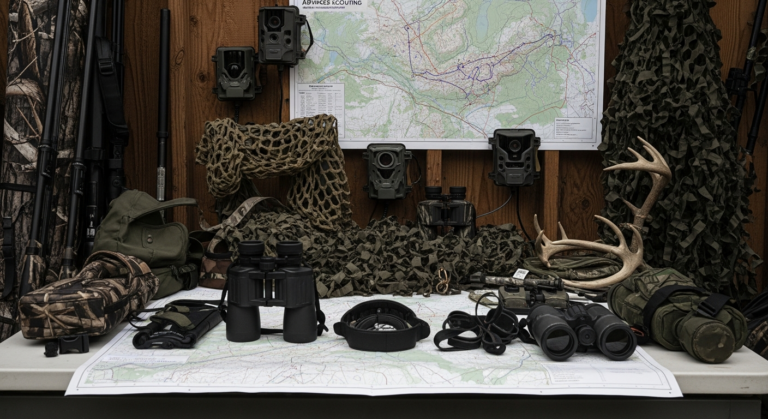
Advanced mapping technologies offer significant advantages for hunters. Platforms like Xtra provide enhanced mapping capabilities that include property boundaries, landowner names and addresses, and detailed property information. These features are invaluable for hunters seeking to understand land ownership, secure necessary permissions, and identify accessible areas. The platform also offers advanced on-the-ground navigation tools, allowing users to create custom pins and paths, and to draw shapes and paths directly on the map, aiding in strategic planning and movement through hunting areas. Such comprehensive mapping plans are available starting at approximately $4 a month, offering a cost-effective tool for improved situational awareness.
Game camera placement is another strategic element of preseason activity. Hunters strategically position cameras at mineral licks, along trails connecting bedding and feeding areas, at field edges and corners, and near water sources. These locations are chosen to capture deer movement patterns and identify active areas. Setup guidance for game cameras includes ensuring batteries are fully charged for extended operation, formatting and labeling SD cards (if still in use) to prevent data loss, and testing the field of view, motion activation settings, and flash settings to optimize image capture and minimize disturbance.
Additional checklist items cover a range of logistical and practical considerations. Tents and campers are inspected for wear and tear, ensuring they are weatherproof and structurally sound for overnight stays. Sleeping bags and pillows are washed or aired out to maintain hygiene and comfort. Camping stove fuel canisters are filled, preparing for meal preparation in the field. Practicing shooting in hunting clothes helps hunters acclimate to the bulk and movement restrictions of their gear, improving accuracy under realistic conditions. Double-checking pack contents ensures essential items such as tags, snacks, water, hunting license, and a first aid kit are readily available. Coordinating with landowners is crucial for those hunting on private land, ensuring clear communication and adherence to property rules. Finally, getting into physical shape is emphasized, as hunting often involves strenuous activity over varied terrain.
Why it matters in Hilton Head Island
For residents of Hilton Head Island and the surrounding Beaufort County who participate in deer hunting, these preseason preparations are more than just a routine; they are a critical component of safety and responsible outdoor recreation. The proximity of natural areas, including parts of the Sea Pines Forest Preserve and other wooded tracts within the Lowcountry, means that hunting is an accessible pastime for many. The emphasis on safety, from inspecting treestands to carrying first aid kits, directly impacts the well-being of individuals and can reduce the burden on local emergency services, including Novant Health Hilton Head Medical Center, which would be the primary facility for treating hunting-related injuries. Furthermore, responsible land access and adherence to regulations, facilitated by tools like advanced mapping, help maintain positive relationships with landowners and ensure the continued availability of hunting opportunities across the region, contributing to the broader outdoor recreation economy of Hilton Head Island.