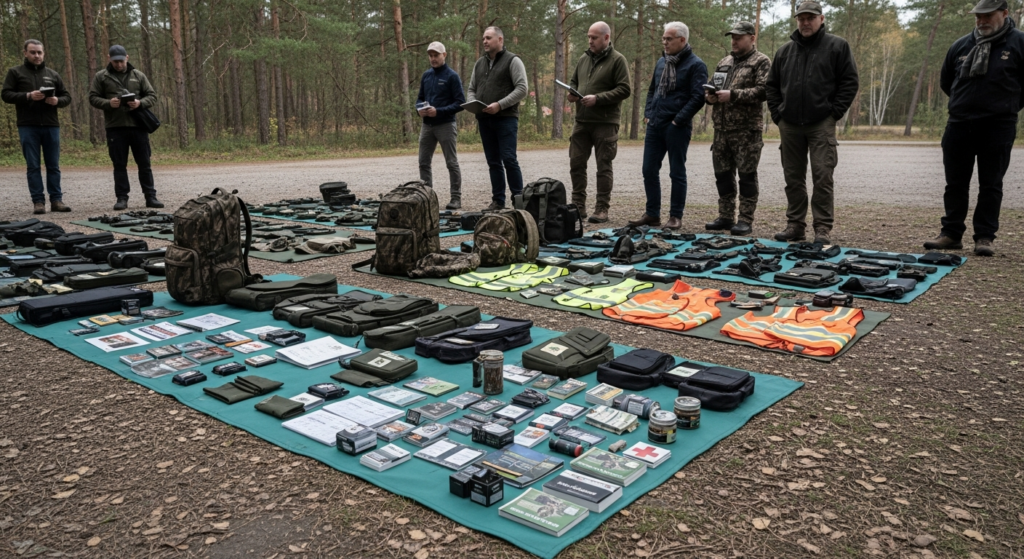
With deer hunting season on the horizon across the Lowcountry, experienced hunters and newcomers alike are turning their attention to the meticulous preparations required for a safe and successful outing. A detailed preseason checklist underscores the importance of inspecting all gear, from weapons to navigation tools, well in advance of opening day.
For those utilizing archery equipment, the guide recommends a thorough inspection of bows. This includes checking for any signs of wear or separation in limbs, cams, and strings. Regular waxing of bowstrings is advised, and any questionable parts should be replaced proactively. Consistent shooting practice is also highlighted as crucial for building and maintaining accuracy.
Rifle hunters are encouraged to clean and oil their firearms, ensuring all components are in optimal working order. Verifying that scopes are securely mounted and maintaining proper zero at a shooting range are essential steps. For those using broadheads with arrows, an arrow spinner can be used to confirm straightness and proper alignment, which is critical for ethical hunting.
Clothing and footwear also demand careful attention. Hunters should wash all hunting apparel with scent-free detergent, checking for holes, worn seams, or fading that could compromise camouflage or comfort. New footwear should be broken in to prevent discomfort in the field, and waterproofing should be verified. Treating clothing with permethrin is recommended when tick-borne illnesses are a concern, offering an additional layer of protection during long hours in the woods.
Safety remains paramount, particularly when using elevated positions. Treestands, ladder stands, and climbing sticks require rigorous inspection for rust, loose fasteners, cracks, or frayed straps. A full-body harness, used in conjunction with a lifeline, should be tested to ensure it functions correctly. For navigation, GPS units and external battery packs must be fully charged, and mapping applications should be downloaded and updated as needed before heading into remote areas. This ensures hunters can navigate safely and effectively within Beaufort County’s diverse terrain.
Strategic stand placement is another key element of preseason preparation. The guide suggests positioning stands near natural pinch points, funnels, creek crossings, or staging areas close to food sources or bedding grounds. Hanging stands early allows deer to acclimate to their presence, reducing the likelihood of spooking game. Trimming shooting lanes should be done conservatively, and all methods, from setup to entry and exit, should prioritize quiet and scent-free execution.
Map scouting provides a significant advantage, allowing hunters to analyze terrain and identify promising locations without disturbing the area. Recommendations include studying contour lines to pinpoint saddles, ridges, and draws, as well as identifying creeks, ponds, and low-lying areas. Marking agricultural fields, oak stands, and natural browse areas on maps helps predict deer movement. Evaluating access routes under various wind conditions is also critical for minimizing scent dispersal. For enhanced detail, the REVEAL Xtra add-on, available for $4 per month with REVEAL plans, offers property boundaries, ownership information, and advanced drawing tools, which can be particularly useful for navigating private land parcels around Hilton Head Island and the wider Lowcountry.
Trail cameras have become an indispensable tool for many hunters. Preseason deployment, well before opening day, allows for observation without immediate impact on deer patterns. Hunters should fully charge batteries, format and label SD cards (if used), and test the camera’s field of view, motion activation, and flash settings. Cellular cameras require activation and updates before deployment, and using the latest REVEAL app version ensures optimal functionality. Newer models, such as the Ultra and REVEAL 3.0 series, offer internal memory, making external SD cards optional.
Beyond specialized gear, general readiness includes checking tents, sleeping bags, and stove fuel for camping trips. Campers and hunting packs should be inspected for wear and tear. Physical fitness is also a critical, often overlooked, aspect of hunting preparation, ensuring hunters can safely and comfortably navigate challenging terrain. For those hunting on private property, coordinating with landowners well in advance is essential to confirm access and any specific guidelines.
Why it matters in Hilton Head Island
For residents of Hilton Head Island and the broader Beaufort County area, the annual deer hunting season represents a significant outdoor tradition and an important aspect of wildlife management. The meticulous preseason preparation outlined in this guide directly contributes to both hunter safety and the ethical pursuit of game across the Lowcountry. With natural areas like the Sea Pines Forest Preserve and Pinckney Island National Wildlife Refuge nearby (though hunting regulations vary by specific preserve), the community values responsible engagement with its natural environment. Ensuring all gear is in optimal condition and that hunters are physically and mentally prepared helps prevent accidents and promotes sustainable practices. This commitment to readiness reflects a broader appreciation for the region’s natural resources and ensures that outdoor activities, including hunting, are conducted with the highest standards of safety and respect for wildlife, impacting everything from local sporting goods retailers to emergency services at Novant Health Hilton Head Medical Center.