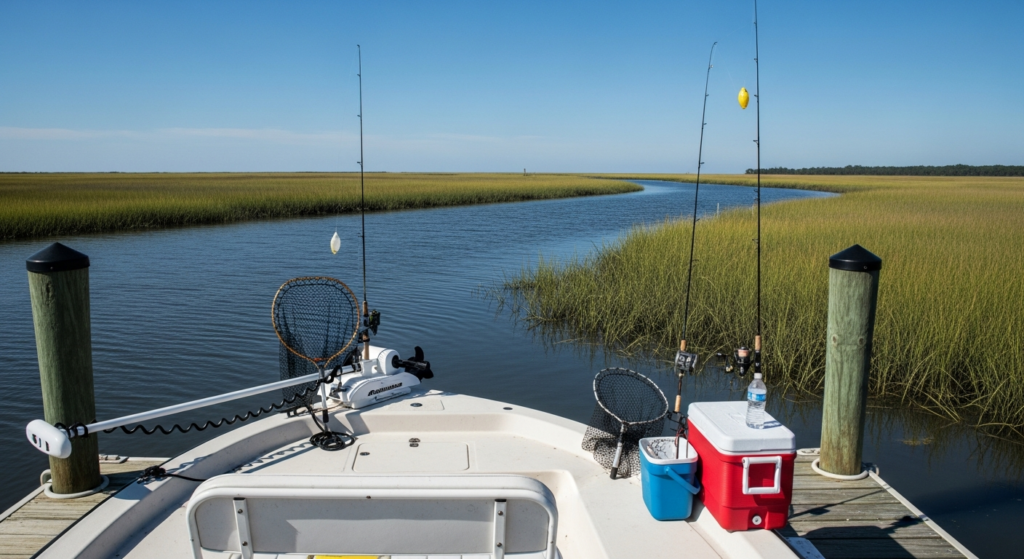
A comprehensive guide detailing essential safety practices for anglers has been released, providing timely recommendations for those fishing in the waterways around Hilton Head Island and the wider Lowcountry region during the summer months. The guidelines address common hazards associated with warm-weather fishing, from environmental factors like heat and sun exposure to best practices for fish handling.
Central to the recommendations is consistent hydration. Anglers are advised to drink water regularly throughout their fishing excursions, with a suggested intake of at least eight glasses daily. This volume should increase significantly during periods of heavy sweating, a common occurrence in the humid summer climate of coastal South Carolina. Carrying ample cool water is emphasized, and the guide suggests considering electrolyte drinks to replenish salts lost through perspiration. Conversely, beverages containing caffeine and alcohol are to be avoided, as they can contribute to dehydration, counteracting efforts to maintain fluid balance.
Sun protection is another critical component of the safety framework. The guide recommends applying a broad-spectrum sunscreen with a minimum Sun Protection Factor (SPF) of 30 to all exposed skin. This application should occur 15 to 30 minutes before venturing outdoors, allowing the sunscreen to form an effective barrier. Reapplication is advised every two hours, or more frequently if an angler is sweating heavily or has been exposed to water, such as from splashing or wading in Broad Creek or Port Royal Sound.
Minimizing direct sun exposure, particularly during the peak hours between 10 AM and 4 PM, is strongly encouraged. Anglers are advised to seek shade whenever possible, utilizing natural cover along the banks of Skull Creek or a boat canopy. Wearing appropriate clothing is also highlighted: lightweight, loose-fitting, and breathable fabrics are recommended, with moisture-wicking materials and clothing offering UV protection providing additional defense against the intense summer sun on Hilton Head Island.
Recognizing the risks posed by high temperatures, the guide details symptoms of heat exhaustion. These include heavy sweating, general weakness, dizziness, nausea, headache, and muscle cramps. Should these symptoms arise, immediate action is necessary. The guide advises resting in a shaded area or air-conditioned space, slowly consuming cool water or an electrolyte drink, and applying cool, wet cloths to the skin to help lower body temperature. Prompt recognition and response to these indicators can prevent more severe heat-related illnesses.
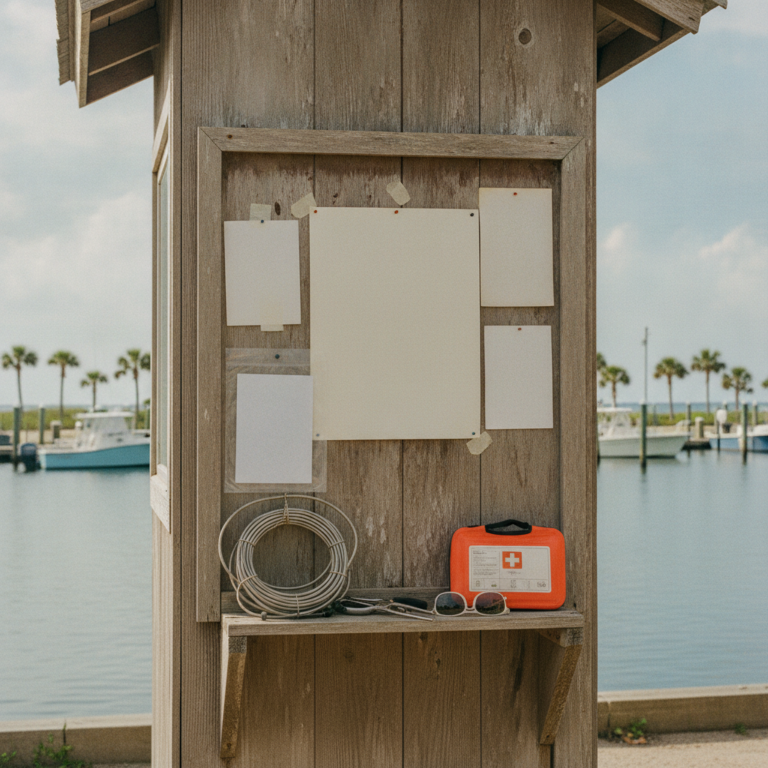
Thorough preparation before any fishing trip is also a key recommendation. Anglers should routinely check local weather forecasts, paying close attention to heat advisories and severe weather alerts that can develop rapidly in the Lowcountry. Consulting tide charts, particularly for dynamic estuarine environments like Calibogue Sound or the May River, and understanding current river conditions are crucial for safe navigation and successful fishing. Essential gear to carry includes a well-stocked first-aid kit, sufficient water, high-energy snacks, sun-protection items, extra clothing for unexpected temperature changes, and a lightweight waterproof jacket to guard against sudden summer showers.
Beyond personal safety, the guide also emphasizes responsible fishing practices to protect the region’s marine ecosystems. Recommendations include using barbless hooks or crimping hook barbs to minimize injury to fish. When handling fish, anglers should wet their hands to protect the fish’s protective slime coat and avoid contact with sensitive areas like the gills and eyes. Limiting the time a fish spends out of water is critical to reduce stress and improve survival rates upon release. Adherence to local catch limits and seasonal restrictions, which are designed to sustain fish populations in Beaufort County waterways, is mandatory. Practicing catch-and-release whenever possible is also encouraged as a conservation measure.
Why it matters in Hilton Head Island
The adherence to fishing safety guidelines holds significant importance for Hilton Head Island, a community where recreational fishing is a prominent activity for both residents and the millions of annual visitors. The island’s extensive network of waterways, including Broad Creek and Port Royal Sound, supports a vibrant fishing culture. By following recommended hydration and sun protection practices, anglers can mitigate the risks of heat-related illnesses, reducing the strain on local healthcare providers such as Novant Health Hilton Head Medical Center and Beaufort Memorial Hospital during the busy summer season. Responsible fishing practices, including catch-and-release and adherence to local regulations, are also vital for preserving the ecological health of the Lowcountry’s sensitive estuaries, ensuring that the natural resources that draw so many to Hilton Head Island remain robust for future generations. This proactive approach to safety and conservation underpins the sustainable enjoyment of the island’s natural environment.