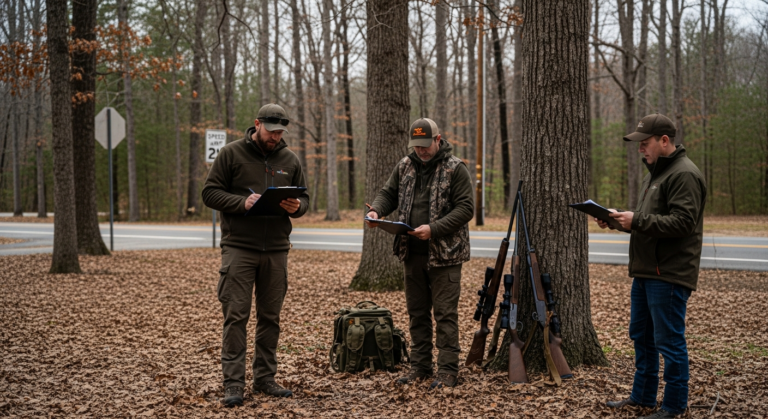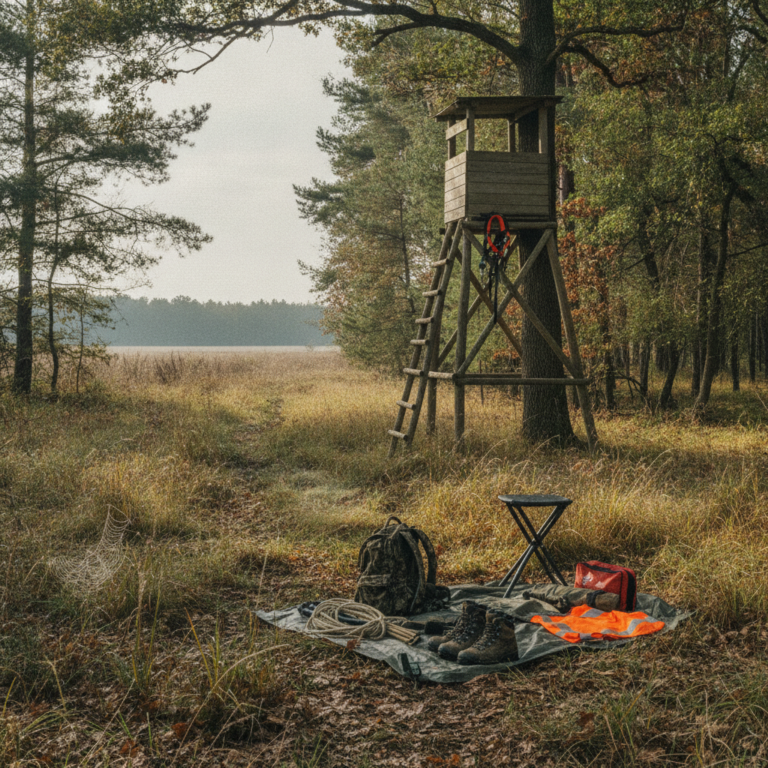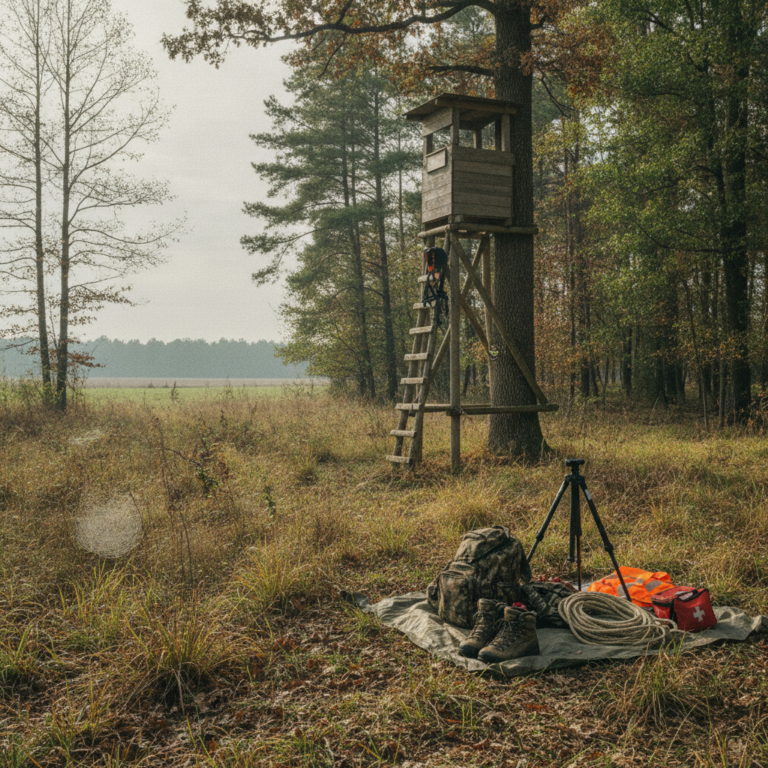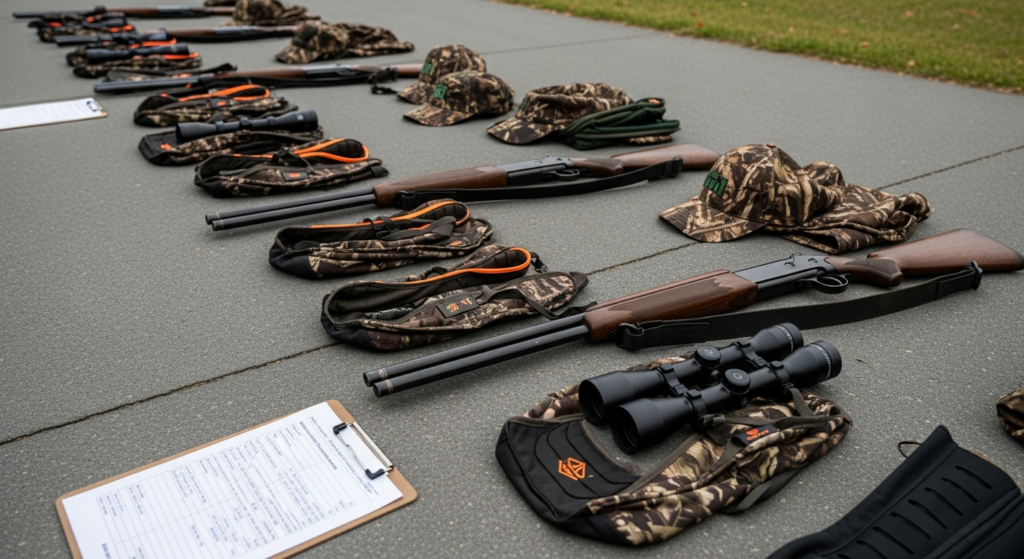
A detailed guide has been released, providing a comprehensive checklist for deer hunters to ready their equipment and strategies well in advance of the season. The recommendations span weapon maintenance, clothing preparation, treestand safety, strategic stand placement, advanced map scouting, and trail camera deployment, offering a methodical approach for those preparing to hunt in Beaufort County and the surrounding Lowcountry.
Central to the guide’s advice is the meticulous inspection of hunting weapons. For bowhunters, this involves a thorough check of limbs, cams, and strings for any signs of wear, separation, or damage. Regular waxing of strings is recommended to prolong their life and maintain performance, with any questionable components slated for immediate replacement. Consistency is paramount, and the guide emphasizes the importance of frequent practice shooting sessions to build and maintain accuracy. Rifle owners are advised to clean and oil their firearms, carefully inspect scope mounts for stability, and confirm their rifle’s zero at a shooting range. For those using broadheads, an arrow spinner is suggested to verify straightness and alignment, a critical factor for ethical and effective shots.
Clothing and footwear preparation also receive significant attention. Hunters are encouraged to wash all hunting apparel with scent-free detergent, meticulously checking for holes, worn seams, or fading that could compromise camouflage or protection. New footwear should be broken in well before the season begins to prevent discomfort and blisters during long treks. Verifying the waterproofing of boots and outer layers is also a key step. Additionally, treating clothing with permethrin is recommended as a proactive measure against tick-borne illnesses, which are prevalent in the humid, wooded environments of the Lowcountry during the warmer months.
Safety equipment, particularly treestands and navigation tools, requires rigorous inspection. Treestands, ladder stands, and climbing sticks must be checked for rust, loose fasteners, cracks, or frayed straps that could lead to failure. Full-body harnesses and lifelines, essential safety components, should be thoroughly inspected for wear and tear. All navigation devices, including handheld GPS units and smartphones running mapping applications, need to be tested and fully charged. External battery packs are also crucial for extended field use. This proactive approach to safety is particularly important given the varied terrain and dense foliage found in hunting areas accessible to residents of Hilton Head Island.
Strategic stand placement is highlighted as a critical element for success. The guide recommends positioning stands at natural pinch points, funnels, creek crossings, or staging areas located near food sources or bedding grounds. To allow deer to acclimate to their presence, stands should be hung as early in the preseason as possible. When trimming shooting lanes, a conservative approach is advised to avoid over-clearing, which could alert deer. All methods used for stand placement, from transportation to setup, should prioritize quietness and scent control to minimize disturbance.
Map scouting, both digital and physical, is presented as an indispensable tool. Hunters are encouraged to examine contour lines on topographic maps to identify saddles, ridges, and draws where deer naturally travel. Water features such as creeks, ponds, and low spots are also key indicators of deer activity. Identifying nearby agricultural fields, oak stands, and natural browse areas helps pinpoint potential feeding locations. Crucially, map scouting should also focus on planning access routes that minimize the chance of spooking deer, considering various wind conditions. The guide specifically mentions Xtra, an add-on to mapping plans starting at $4 per month, which provides property boundaries, ownership information, custom pin placement, shape and path drawing tools, and navigation features, proving invaluable for hunters in areas like Beaufort County.
Trail camera deployment is another area of detailed preparation. Recommended locations for cameras include mineral licks, well-used trails connecting bedding and feeding areas, field edges and corners, and water sources. Before deployment, batteries should be fully charged, and SD cards (if used) formatted and labeled. Testing the field of view, motion activation, and flash settings is essential. Cellular cameras, such as the Ultra and REVEAL 3.0 series, require activation and updating to the latest app version for optimal performance. These cameras, which feature internal memory, make SD cards optional. Various power options are available, including lithium cartridges, solar panels, folding solar panels, and battery belts, offering flexibility for remote locations.
Beyond the technical aspects, the guide also addresses general camp and personal readiness. This includes inspecting tents and campers, checking stakes and poles, and ensuring sleeping bags and pillows are clean and aired out. Camping stove fuel canisters should be filled, and cutlery confirmed. Practicing shooting while wearing hunting clothing helps simulate real-world conditions. Hunters are reminded to check their packs for essential items such as tags, snacks, water, licenses, and a comprehensive first-aid kit. Coordinating plans with private-land owners is crucial for legal and respectful hunting. Finally, getting into physical shape for long hikes and climbs is emphasized, ensuring hunters can safely and effectively navigate the demanding terrain often found in the Lowcountry.
Why it matters in Hilton Head Island
For many residents of Hilton Head Island, deer hunting is a cherished outdoor pursuit, often practiced in the expansive natural areas of Beaufort County and the wider Lowcountry. While the developed landscape of Hilton Head Island itself offers limited hunting opportunities, the proximity to vast tracts of land, including those managed by the Marine Corps Recruit Depot Parris Island and Marine Corps Air Station Beaufort, provides significant access for hunters. The detailed preparation outlined in this guide directly supports the safety and success of these individuals, ensuring they are well-equipped and responsible stewards of the region’s wildlife. Adherence to these guidelines helps maintain ethical hunting practices and contributes to the overall health of the deer population, a vital component of the Lowcountry’s natural ecosystem. This commitment to thorough preparation reflects a broader appreciation for the outdoor heritage that defines much of the region surrounding Hilton Head Island.