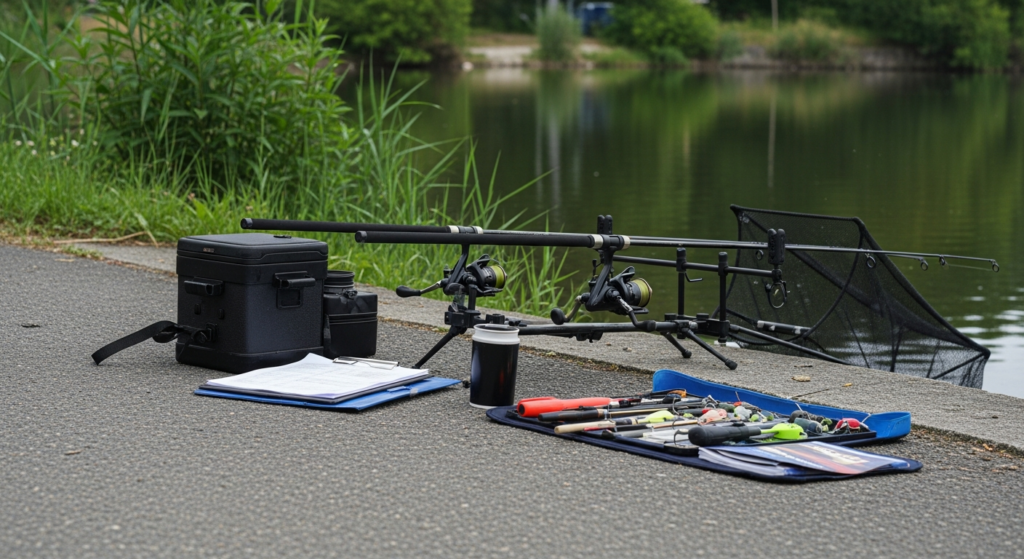
As summer fishing remains a prominent activity across the waterways surrounding Hilton Head Island, a new resource underscores the imperative for anglers to adopt rigorous safety protocols. The guide, compiled from various expert recommendations, details strategies to mitigate risks ranging from severe sun exposure and dehydration to heat-related illnesses and boating incidents, all of which are amplified by the Lowcountry’s characteristic heat and humidity.
One of the primary concerns for those spending extended periods on the water is solar radiation. The sun’s ultraviolet (UV) rays are at their most intense between 10 AM and 4 PM, a period that frequently coincides with peak fishing hours. Compounding this risk, water surfaces possess a reflective quality that can increase UV exposure by as much as 15 percent, effectively exposing individuals to radiation from both above and below. To counter this, the guide advocates for the consistent use of broad-spectrum sunscreen with a minimum Sun Protection Factor (SPF) of 30. For prolonged exposure, particularly on open water, an SPF of 50 or higher is strongly recommended. Application should occur at least 30 minutes before venturing outdoors, allowing the skin to absorb the protective agents, and reapplication is crucial every two hours, or more frequently if an individual is sweating heavily or has been splashed.
Beyond topical protection, physical barriers against the sun are also emphasized. Lightweight, long-sleeved clothing with a UPF (Ultraviolet Protection Factor) rating is advised, as these garments are specifically designed to block a significant percentage of UV radiation. Light-colored apparel is preferred, as it reflects sunlight rather than absorbing it, contributing to cooler body temperatures. Headwear is equally vital; a wide-brimmed hat offering at least four inches of coverage around the entire head and neck provides substantial protection. Polarized sunglasses with 100 percent UV protection are not merely for comfort; they safeguard the eyes from harmful rays and reduce glare, enhancing visibility on the water, which can be a safety factor in itself when navigating or spotting hazards.
Hydration is another cornerstone of summer safety, particularly in the humid climate of Hilton Head Island. The guide recommends a proactive approach, beginning with adequate fluid intake the night before a fishing excursion. During active fishing, individuals should consume at least eight ounces of water every 15 to 20 minutes. Beverages high in caffeine or alcohol are to be avoided, as both act as diuretics, accelerating fluid loss and potentially exacerbating dehydration. For those engaged in strenuous activity or experiencing significant sweating, sports drinks can be beneficial in replenishing electrolytes lost through perspiration, helping to maintain the body’s fluid balance and prevent muscle cramps or fatigue.
Recognizing the early signs of dehydration is critical for preventing more severe health complications. Initial indicators include increased thirst, a dry mouth, decreased frequency of urination, and a general sense of fatigue. If these symptoms are ignored, dehydration can progress to more serious stages, manifesting as dizziness, a rapid heartbeat, and confusion. At this point, immediate intervention is necessary to prevent the onset of heat-related illnesses.
Heat exhaustion and heat stroke represent a continuum of severe heat-related conditions, with distinct symptoms and required responses. For heat exhaustion, which typically presents with heavy sweating, weakness, cold/clammy skin, a fast/weak pulse, nausea, and fainting, the immediate course of action is to move the affected person to a shaded or cooler area. Excess clothing should be removed, and cool water should be applied to the skin (e.g., with a wet cloth or sponge). If the person is conscious and able to swallow, cool fluids should be provided slowly. Monitoring their condition is paramount.
Heat stroke, however, constitutes a medical emergency requiring immediate professional attention. Symptoms include a body temperature exceeding 103°F, an altered mental state (confusion, disorientation, slurred speech), hot and dry skin (though sweating may still be present in some cases), a rapid and strong pulse, and potentially unconsciousness. In such instances, 911 must be called without delay. While awaiting emergency medical services, aggressive cooling measures should be initiated, such as moving the person to shade, removing clothing, and applying ice packs to the armpits, groin, and neck, or immersing them in cool water if possible. The distinction between these two conditions is vital, as heat stroke can lead to permanent disability or death if not treated promptly and effectively.
Beyond personal health, boat safety is an integral component of responsible fishing, particularly when navigating the intricate waterways of Port Royal Sound, Skull Creek, or Broad Creek. Anglers are advised to ensure their vessel maintains adequate shade, which can be crucial for preventing heat-related illnesses. All safety equipment, including life jackets, fire extinguishers, and signaling devices, must be in proper working order and easily accessible. A thorough check of the engine cooling system before departure is also recommended to prevent mechanical failures that could leave a boat stranded. Filing a float plan with a trusted contact on shore is a simple yet effective precaution, providing details of the intended route, duration, and number of people on board, which can be invaluable in search and rescue operations.
Emergency preparedness on board extends to carrying a sufficient supply of water—at least one gallon per person per day for potential emergencies—and a comprehensive emergency kit. This kit should include a VHF radio, which offers a more reliable means of communication in many offshore and remote Lowcountry areas compared to cellular phones. Additional supplies such as a well-stocked first-aid kit, flares, a whistle, and tools for minor repairs can prove invaluable in unforeseen circumstances.
Further recommendations from the safety resource include considering fishing during cooler morning or evening hours to avoid the most intense heat and UV radiation. Practicing safer hook handling techniques, such as using barbless hooks or de-hooking tools, can minimize injuries. Maintaining hot-weather gear, ensuring it is clean and functional, also contributes to overall safety and comfort.
Why it matters in Hilton Head Island
For Hilton Head Island, a community deeply intertwined with its coastal environment and a significant tourism economy, adherence to fishing safety guidelines is paramount. The island’s popularity as a fishing destination, drawing both residents and millions of visitors annually to its diverse waterways, means that a high volume of individuals are potentially exposed to these risks. Incidents related to sun exposure, dehydration, or boating accidents can place a considerable strain on local emergency services, including the Novant Health Hilton Head Medical Center and Beaufort Memorial Hospital, which serve the entire Beaufort County region. By proactively adopting comprehensive safety measures, anglers not only protect their own well-being but also contribute to the overall safety and sustainability of recreational activities that are central to the island’s identity and economic vitality, ensuring that the Lowcountry’s natural beauty can be enjoyed responsibly.