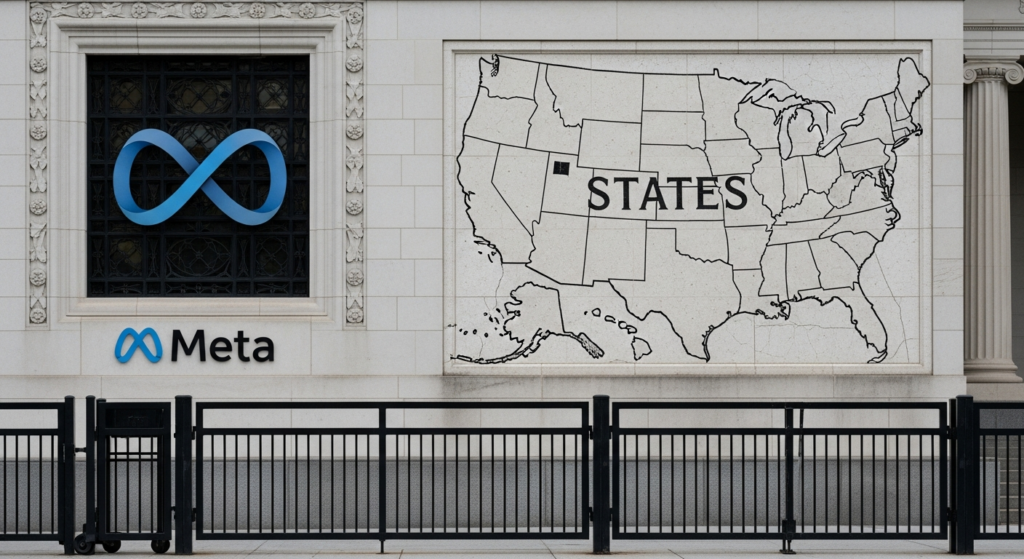
Meta, the technology conglomerate, has disclosed in a recent court-related filing that states involved in youth-safety litigation are seeking penalties that could amount to as much as $1.4 trillion. The figure, reported by the company, highlights the significant financial exposure Meta faces as legal challenges regarding the impact of its platforms on young users continue to unfold across the United States.
The litigation centers on allegations related to the safety of Meta’s social media platforms for children and adolescents. While the exact nature of the claims varies by state, the overarching theme involves concerns about mental health, addictive design, and inadequate safeguards for minors using platforms like Facebook and Instagram.
This potential penalty figure, cited by Meta in its filing, represents the maximum amount states are reportedly seeking, not a final judgment or an agreed-upon settlement. Legal and business coverage has consistently framed these discussions within the context of ongoing trials and negotiations, emphasizing that these are penalty requests and not established findings of liability or damages. The sheer scale of the figure, however, underscores the gravity of the legal battles confronting one of the world’s largest technology companies.
The company’s disclosure comes as scrutiny over social media’s role in youth well-being intensifies. Public health officials, educators, and parent groups have increasingly voiced concerns about the psychological effects of prolonged social media use on developing minds, including issues such as anxiety, depression, and body image concerns. These broader societal discussions form the backdrop against which the current litigation is proceeding.
For Meta, the litigation represents a multifaceted challenge that extends beyond financial penalties. It involves reputational risks, potential changes to platform design, and ongoing engagement with regulatory bodies and legislative efforts aimed at increasing online safety for minors. The outcomes of these legal proceedings could set precedents for how technology companies are held accountable for the societal impacts of their products, particularly concerning vulnerable populations.
The legal process is expected to be protracted, with complex arguments regarding platform design, content moderation, and corporate responsibility. The company has consistently stated its commitment to youth safety and has introduced various tools and features aimed at protecting younger users, though critics argue these measures are often insufficient or implemented too late. The $1.4 trillion figure, while a high-end estimate of potential penalties, serves as a stark indicator of the legal pressures Meta is navigating in the current regulatory and public opinion climate.
The ongoing legal proceedings are being closely watched by the technology industry and legal experts alike, as they could reshape the landscape of digital platform regulation and corporate accountability. The case against Meta is one of several high-profile instances where major tech firms are facing legal and governmental challenges over their products’ effects on users, particularly the young. The outcome will likely influence future product development and policy decisions across the sector, impacting how digital services are designed and delivered to users of all ages, including those residing in Hilton Head Island and the wider Lowcountry region.