Michigan’s bear season opened this week, with state wildlife officials reporting more than 6,000 hunters drawn out of a pool of roughly 72,500 applicants.
The state wildlife division issued 6,278 bear hunting licenses for the 2026 season. The first of three sequential hunting periods opened this week across most of the Upper Peninsula, with the second and third periods staggered later in the fall. The bag limit is one bear per hunter per season under a valid license.
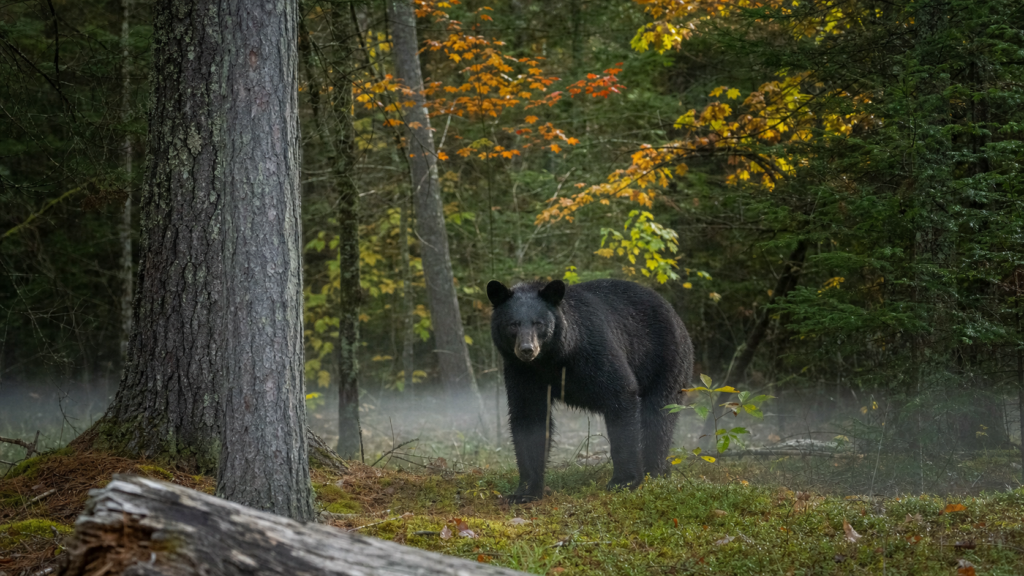
Bears are distributed unevenly across the state. The wildlife division estimates about 11,000 black bears in the Upper Peninsula, with a smaller population in the northern Lower Peninsula and a small but growing population in the southern Lower Peninsula. The unit names on the license tell hunters roughly where they’ll be — Baldwin, Newberry, Amasa, and Bergland show up on tags this fall, and each unit sets its own season structure within the three-period framework.
The application lottery is weighted by preference points. Hunters accumulate a point for each year they apply and do not draw, and applications with more points move higher in the pool. The system is meant to give repeat applicants steadily better odds without shutting new hunters out entirely; a share of the tags every year still goes to first-time applicants.
Harvest results are usually stronger in the first period, when bears are still on summer feeding patterns and moving predictably between food sources. Later periods coincide with fall mast production — acorns, beechnuts, and wild apples — and hunters shift their scouting toward oak ridges and orchards. Guides in the northern Lower Peninsula typically report a smaller number of larger, older bears than the Upper Peninsula’s higher density of medium-sized animals.
The wildlife division’s field staff will use the season to update tooth-age samples and body-condition data from harvested bears. Successful hunters are asked to register their bears at a check station or through the mobile check option and to submit a tooth for aging, which the division uses to track age structure across each hunting unit.