A comprehensive guide addressing summer fishing risks has been released, providing detailed recommendations for anglers navigating the intense sun and heat prevalent in the Hilton Head Island area. The resource aims to mitigate dangers ranging from severe sunburn and dehydration to heat stroke, offering practical advice for both recreational and experienced fishers.
The guide emphasizes the importance of robust sun protection, noting that the sun’s ultraviolet (UV) rays are strongest between 10 AM and 4 PM. Water surfaces, common across Hilton Head Island’s extensive waterways like Broad Creek and Calibogue Sound, can reflect up to 15% of UV radiation, significantly increasing exposure. To counter this, anglers are advised to use broad-spectrum sunscreen with a minimum SPF of 30. For extended periods on the water, an SPF 50+ product is recommended. Proper application involves applying sunscreen 30 minutes before sun exposure and reapplying it every two hours, or more frequently if sweating heavily or after splashing in the water.
Beyond sunscreen, protective clothing is a key component of sun safety. The guide suggests lightweight, long-sleeved clothing with a UPF (Ultraviolet Protection Factor) rating. A wide-brimmed hat, offering at least four inches of coverage, is crucial for protecting the face, neck, and ears. Polarized sunglasses with 100% UV protection are also recommended to shield eyes from both direct and reflected sunlight, which can be particularly intense on the water.
Hydration is another critical factor, especially during the strenuous activity of fishing in high temperatures. The resource advises drinking at least eight ounces of water every 15 to 20 minutes while actively fishing. It strongly cautions against beverages high in caffeine or alcohol, as these can act as diuretics and contribute to dehydration, exacerbating the risks associated with heat exposure. Maintaining consistent fluid intake is presented as a primary defense against heat-related illnesses.
The guide details the warning signs of heat exhaustion and heat stroke, urging anglers to recognize these symptoms promptly. Signs of heat exhaustion include heavy sweating, general weakness, nausea, headache, and muscle cramps. If these symptoms appear, individuals should seek shade, rest, and rehydrate immediately. Heat stroke, a more severe and potentially life-threatening condition, manifests with a body temperature above 103°F, an altered mental state, hot and dry skin (in contrast to the heavy sweating of heat exhaustion), a rapid pulse, and potential unconsciousness. Immediate medical attention is critical for suspected heat stroke cases.
For those venturing out on boats, additional safety measures are recommended. Anglers should routinely check their engine cooling system before departure to prevent breakdowns that could leave them stranded in the heat. Filing a float plan with a trusted contact, detailing the planned route and expected return time, is a prudent step. Carrying extra water, with a minimum of one gallon per person per day for emergencies, is advised, along with a comprehensive kit of emergency supplies, including a VHF radio for communication in areas with unreliable cell service. These precautions are particularly relevant when navigating larger bodies of water such as Port Royal Sound or Skull Creek.
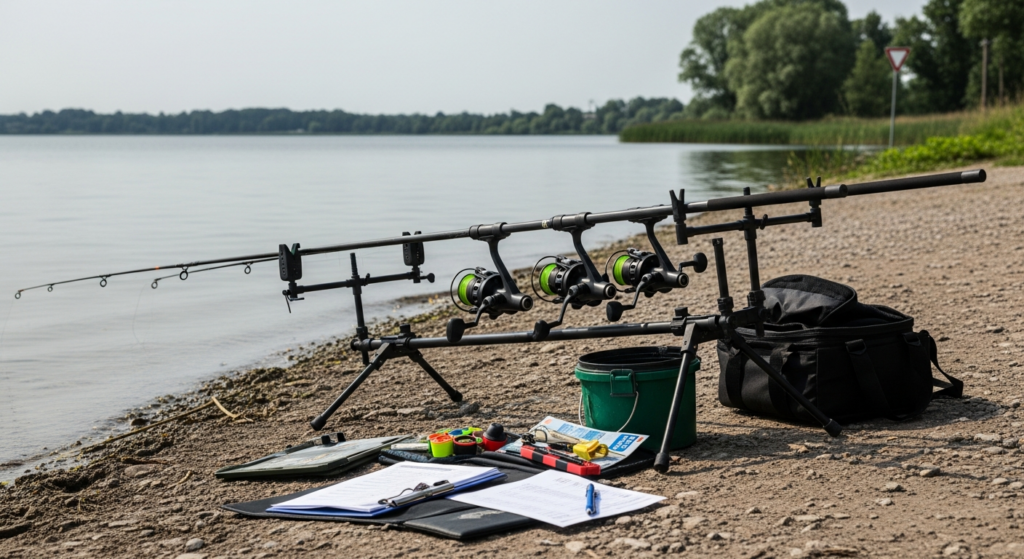
Equipment care also warrants attention in the summer heat. The guide recommends protecting fishing equipment from direct sunlight whenever possible, as prolonged exposure can degrade materials. Fishing lines, particularly monofilament and fluorocarbon, are susceptible to weakening from heat and UV exposure, necessitating more frequent checks for integrity. Braided lines are noted as generally more UV-resistant, offering a potential advantage in harsh conditions. These maintenance tips help ensure that gear performs reliably and prevents unexpected failures on the water.
Why it matters in Hilton Head Island
For residents and visitors alike on Hilton Head Island, where fishing is a popular recreational activity and a significant draw for tourism, adhering to these safety guidelines is crucial. The island’s extensive network of tidal creeks, sounds, and offshore waters provides ample opportunities for anglers, but also exposes them to the intense summer sun and heat characteristic of the Lowcountry. Following these recommendations can significantly reduce the risk of heat-related emergencies, preventing strain on local healthcare facilities such as Novant Health Hilton Head Medical Center. Ensuring safe practices allows individuals to fully enjoy the natural beauty and fishing opportunities that define Hilton Head Island without compromising their well-being.