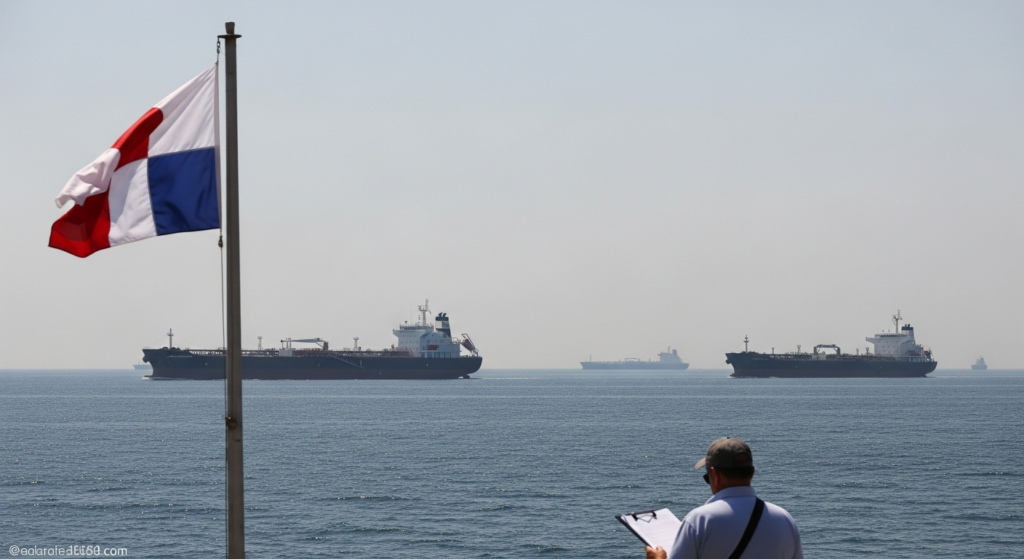
Renewed hostilities between the United States and Iran have escalated around Iranian ports and the strategically vital Strait of Hormuz, prompting a U.S. blockade and triggering immediate repercussions in global energy markets. The developments, which intensified during the July 15 cycle, have led to a significant increase in oil prices and heightened anxiety within the international shipping industry.
The Strait of Hormuz, a narrow waterway connecting the Persian Gulf to the open ocean, is one of the world’s most critical maritime chokepoints. An estimated one-fifth of the world’s total petroleum consumption, including crude oil and liquefied natural gas, passes through this strait daily. Its strategic importance means that any disruption or perceived threat to shipping in the area can have immediate and far-reaching effects on global energy supplies and prices.
Reports indicate that the United States has reimposed a blockade on Iranian ports following a series of incidents in the Strait of Hormuz. This move marks a significant escalation in U.S.-Iran relations, echoing previous periods of heightened tension. The blockade aims to restrict maritime traffic to and from Iranian ports, a measure that directly impacts Iran’s ability to conduct international trade, particularly its oil exports.
The immediate consequence of these renewed hostilities has been a surge in global oil prices. Energy-market analysts have tied the escalation directly to crude futures hitting a one-month high. The uncertainty introduced by the blockade, coupled with the potential for further disruptions to oil flows through the Strait, has fueled market speculation and driven up the cost of petroleum worldwide. For consumers and businesses, this translates to higher prices at the pump and increased operational costs for industries reliant on fuel.
Beyond the direct impact on oil prices, the situation has renewed concerns about the broader stability of shipping through the Strait of Hormuz. Shipping companies face increased risks, which can lead to higher insurance premiums for vessels operating in the region. This, in turn, can translate to higher freight costs for goods transported globally, potentially affecting supply chains and consumer prices across various sectors. The prospect of longer shipping routes to avoid the Strait, or delays due to increased security measures, further complicates the outlook for international trade.
The economic ripple effects of such geopolitical instability are not confined to major financial centers or oil-producing nations. They extend to communities like Hilton Head Island, where the cost of energy underpins various aspects of daily life and the local economy. The price of fuel directly impacts transportation for residents and the millions of tourists who visit the island annually. Businesses, from hospitality providers like Sea Pines Resort and Marriott Resorts Hospitality to essential services, face rising expenses for logistics and operations.
The ongoing situation underscores the interconnectedness of global events and their potential to influence local economies. While the immediate conflict is thousands of miles away, its economic fallout, particularly through the energy markets, has a tangible presence in communities far from the Strait of Hormuz. The sustained uncertainty surrounding crude flows and shipping stability will likely remain a significant factor in global economic forecasts throughout the remainder of the summer.
Why it matters in Hilton Head Island
The escalation in the Strait of Hormuz and the subsequent rise in oil prices have direct implications for Hilton Head Island. As a premier resort destination, the island’s economy relies heavily on tourism. Higher fuel costs, whether for air travel or automobile trips, can impact the disposable income of potential visitors, potentially affecting the number of tourists arriving or their spending habits once here. Local businesses, including major employers like Sea Pines Resort and Marriott Resorts Hospitality Corporation, face increased operational costs due to higher transportation and energy expenses, which can affect everything from supply deliveries to utility bills. Furthermore, residents of Beaufort County, including those employed by the Beaufort County School District or Novant Health Hilton Head Medical Center, will experience the pinch of higher gas prices in their daily commutes, impacting household budgets across the island.
Section: More Hilton Head Island SC business news
Hilton Head Island business profiles
Filed under: Hilton Head Island SC Business News