The Open Championship, underway this week at Royal Birkdale in England, has once again brought the intricate dynamics of golf course conditions to the forefront of professional sports discussion. Beyond the swings and scores, the tournament narrative frequently pivots on elements such as turf firmness, wind patterns, bunker strategy, and the impact of tee-time draws — factors that shape player performance and spectator understanding.
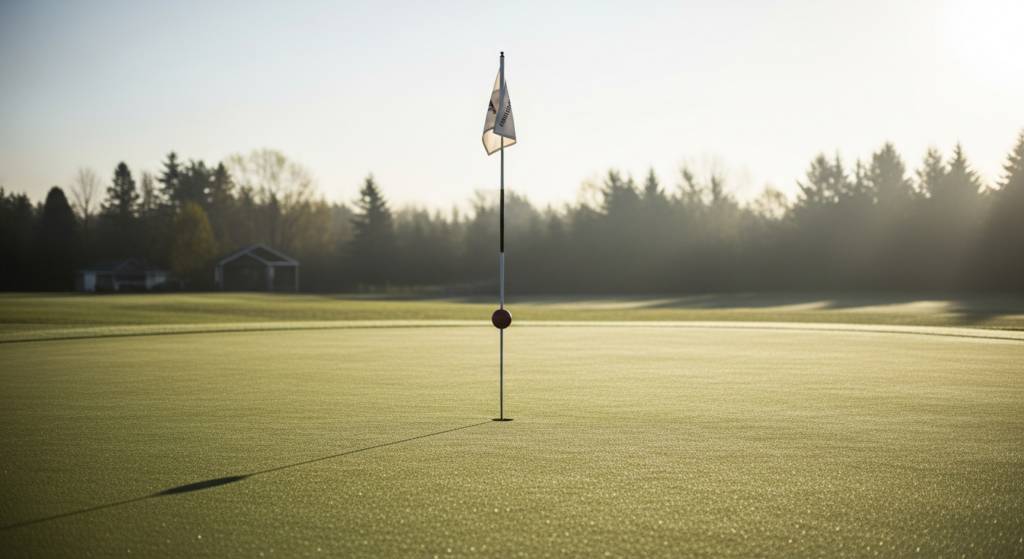
Major championships, particularly The Open, are renowned for their emphasis on how a course interacts with the elements. Royal Birkdale, with its exposed linksland, presents a distinct set of challenges where a slight shift in wind direction can alter club selection by several strokes, and firm, fast-running fairways demand precision in landing areas. The depth and consistency of sand in its pot bunkers, often a topic of detailed analysis by broadcasters, dictate recovery options and add a layer of psychological pressure. Even the timing of a player’s tee time can become a significant storyline, as early or late starts might expose them to different weather windows, influencing scoring averages across the field.
While the coastal links of Royal Birkdale offer a unique environment, the fundamental principles of course management and how conditions affect play are deeply relevant to the golf landscape of Hilton Head Island. With more than 25 golf courses, including the iconic Harbour Town Golf Links, host of the annual RBC Heritage, the island’s golf community regularly grapples with its own set of environmental variables. The summer months, for instance, bring high humidity and frequent afternoon thunderstorms, which can soften fairways, alter green speeds, and make bunker sand heavier. Course superintendents across Hilton Head Island, from Sea Pines Resort to Palmetto Dunes, continuously adapt their maintenance practices to these conditions, ensuring playability while preserving the integrity of the course design.
The strategic considerations highlighted during a major like The Open are not lost on the island’s amateur golfers or those involved in junior development programs. Understanding how wind affects ball flight, or how a firm green demands a different approach shot, can directly inform practice routines and on-course decision-making for players of all skill levels. For young athletes participating in programs through organizations like the Beaufort County School District or local golf academies, observing how professionals navigate challenging conditions provides valuable lessons in course strategy and mental fortitude. These insights extend beyond mere technique, fostering a deeper appreciation for the game’s strategic depth.
For golf enthusiasts in Hilton Head Island who are following The Open, a deeper understanding of course conditions enhances the viewing experience. Rather than simply watching shots, they can analyze the choices players make in response to the environment, drawing parallels to their own experiences on courses like those at Shipyard Plantation or Hilton Head Plantation. This analytical lens transforms passive observation into an active engagement with the strategic chess match unfolding on screen, making the global spectacle feel more connected to their local golf community.
Why it matters in Hilton Head Island
The ongoing Open Championship, while thousands of miles away, offers a pertinent case study for the golf community in Hilton Head Island. The detailed discussions surrounding Royal Birkdale’s turf, wind, and bunker conditions underscore the universal challenges and artistry of golf course management. For institutions like the Sea Pines Resort, which hosts the PGA Tour’s RBC Heritage at Harbour Town Golf Links, these insights are not merely academic; they reflect the continuous effort required to maintain world-class playing surfaces that challenge professionals and delight visitors. The lessons from a major championship environment provide a framework for understanding the strategic nuances that define the island’s own diverse and celebrated golf courses, influencing everything from daily maintenance to junior player development and the overall appreciation of the game by residents and tourists alike.
Section: More Hilton Head Island SC sports news