The Open Championship, set for 2026 at Royal Birkdale, consistently presents a unique test in major championship golf, often defined by the intricate interplay of weather and course conditions. For golf enthusiasts in Hilton Head Island, understanding these elements can offer a richer viewing experience, connecting the global stage to the familiar greens and fairways of the Lowcountry.
Major-week coverage frequently delves into factors such as turf firmness, wind patterns, bunker strategies, and the impact of tee-time waves. These elements are not merely background details but central characters in the drama of a championship, dictating shot selection, strategic decisions, and ultimately, who contends for the Claret Jug.
The Role of Weather and Turf Firmness
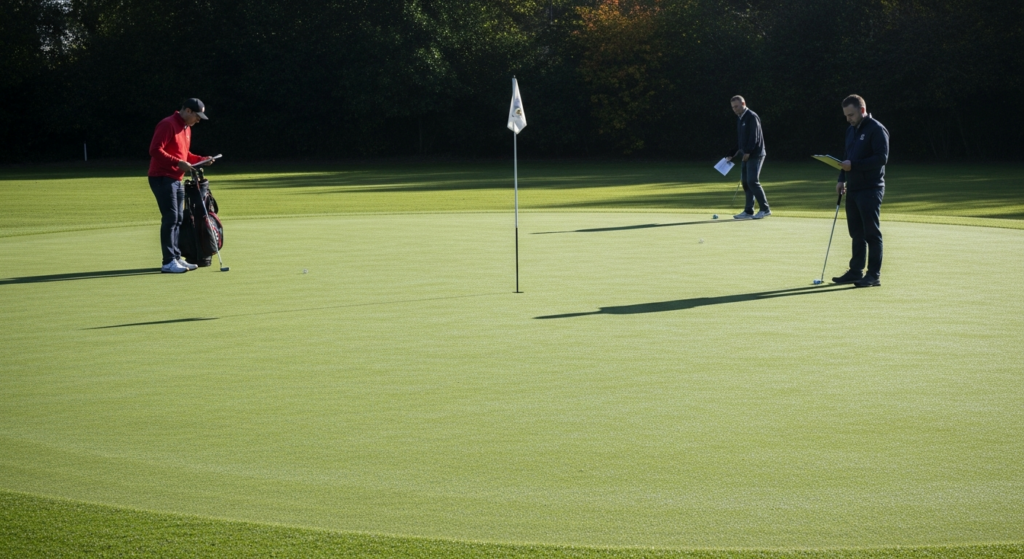
At a links course like Royal Birkdale, weather is an ever-present variable. Wind, in particular, can transform a seemingly straightforward hole into a formidable challenge, requiring players to adjust trajectory, club selection, and ball flight. Rain can soften greens, making them more receptive to approach shots, while dry, sunny conditions can bake the turf, leading to firm, fast greens and fairways that demand precision and creativity in short-game play. The firmness of the turf dictates how the ball bounces and rolls, influencing everything from tee shots to putting.
This dynamic is not entirely alien to golf in Hilton Head Island. While the island’s courses, such as those at Sea Pines Resort, Palmetto Dunes, or Hilton Head Plantation, are not traditional links layouts, they too are subject to environmental factors. The coastal breezes can significantly impact play, especially on exposed holes. Furthermore, the summer heat and humidity influence turf management, creating varying conditions that local players navigate regularly, from lush, soft fairways to firmer, faster greens depending on maintenance practices and recent rainfall.
Bunker Play and Strategic Challenges
Bunkers at links courses are often deep, penal, and strategically placed, designed to catch errant shots and force players to take a penalty stroke or play conservatively. Navigating these hazards is a critical skill, and a player’s ability to recover from a bunker can be a tournament-defining moment. The placement and design of bunkers at Royal Birkdale will undoubtedly be a key topic of discussion during the championship.
Similarly, bunkers are integral to the strategic design of courses across Hilton Head Island. While perhaps not as deep or revetted as their links counterparts, the bunkers at Harbour Town Golf Links, for instance, are strategically positioned to guard greens and fairways, demanding accuracy and careful course management from players. Understanding the challenges presented by these sandy hazards, both globally and locally, enhances appreciation for the professional game.
Tee-Time Waves and Their Impact
Another significant factor in major championship golf is the impact of tee-time waves. Players often face different conditions depending on whether they play in the morning or afternoon. Early starters might benefit from calmer winds or softer greens, while later groups could encounter stronger gusts, firmer turf, or changing weather patterns. This can lead to a disparity in scoring conditions, making a player’s draw a crucial element of their tournament fortunes.
While less pronounced in daily play, the concept of changing conditions over a day is familiar to amateur golfers on Hilton Head Island. Morning dew, afternoon heat, and shifting sea breezes can all alter how a course plays, reinforcing the idea that golf is a game played as much against the elements as against fellow competitors.
Why it matters in Hilton Head Island
For residents and visitors of Hilton Head Island, a community deeply intertwined with golf, following The Open Championship with an eye on course conditions offers more than just entertainment. It provides a deeper understanding of the game’s complexities and strategy, themes that resonate strongly within the island’s vibrant golf culture. The island’s numerous golf courses, including the renowned Harbour Town Golf Links at Sea Pines Resort, host countless rounds annually, contributing significantly to the local economy and lifestyle. By observing how professionals contend with wind, turf, and bunkers at Royal Birkdale, local players and fans can gain insights that enrich their own experiences on courses like those in Palmetto Dunes or Hilton Head Plantation. This connection between the global stage and the local fairways reinforces Hilton Head Island’s identity as a premier golf destination, fostering a more informed and engaged golf community.