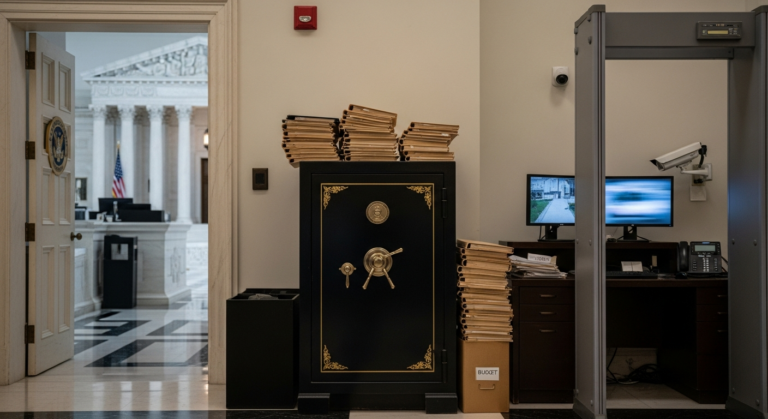
The Supreme Court has continued to draw attention for its use of emergency orders, often referred to as the ‘shadow docket,’ in cases that address fundamental questions of executive power and election rules. These orders, typically issued without full briefing or oral argument, have become a more frequent mechanism for the Court to intervene in ongoing political and public-policy disputes.
Recent legal analyses have highlighted the Supreme Court’s engagement with these high-stakes issues, which directly impact the scope of governmental authority and the administration of elections. While these decisions originate at the federal level, their implications can extend to state and local jurisdictions, influencing the legal and regulatory frameworks under which they operate.
Cases involving executive power can determine the boundaries of federal agency actions, which in turn may affect policies ranging from environmental regulations to healthcare provisions. Similarly, emergency orders concerning election rules can shape how states administer their voting processes, impacting everything from voter registration to ballot access. These federal rulings, even when temporary, contribute to an evolving legal landscape that state and local governments must navigate.
The ongoing review of these matters through the courts and political processes underscores their significance for governmental operations and civic life across the country, including in communities within Beaufort County and on Hilton Head Island.