Air leakage is a common issue that can account for 25 to 40 percent of heating and cooling energy loss in a typical home, a larger share than most homeowners realize. For residents of Hilton Head Island, where the climate can lead to increased energy costs, addressing this issue can result in substantial savings.
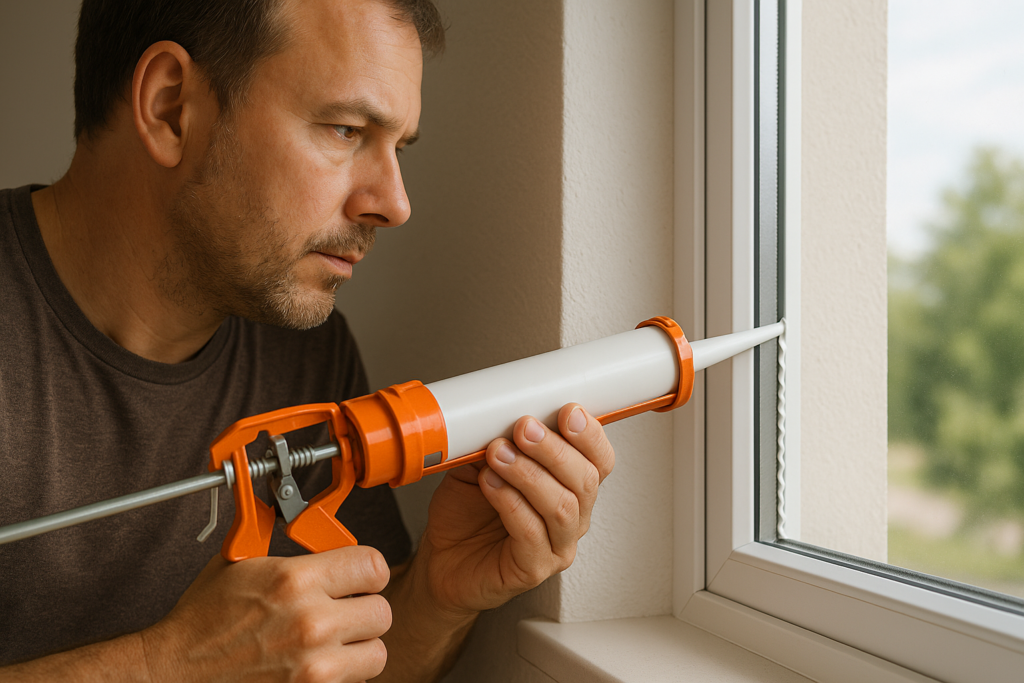
To effectively seal a home, homeowners should start by identifying the appropriate materials for different types of gaps. Caulk is ideal for sealing stationary gaps around door and window frames, baseboards, and where plumbing or wiring penetrates walls and ceilings. Meanwhile, weatherstripping is used to seal the moving edges of operable doors and windows, ensuring that these areas do not contribute to unnecessary air loss.
One of the highest-priority locations for air sealing is the attic floor. Warm, conditioned air rises and can exit through electrical boxes, plumbing chases, and gaps around wall top plates before it travels through the roof. Sealing the attic not only helps retain this air but also makes any additional insulation more effective. This is particularly relevant for homeowners looking to enhance their home’s energy efficiency without incurring excessive costs.
Before embarking on large weatherization projects, it is advisable to conduct a home energy assessment, sometimes referred to as a blower door test. This assessment uses a calibrated fan to depressurize the house, allowing an assessor to locate and quantify all significant air leaks. By prioritizing these leaks, homeowners can make informed decisions about where to invest their resources for maximum impact.
Efficiency guidance suggests that properly sealing and insulating a home can yield up to 10% in annual energy bill savings. The investment in materials such as caulk and weatherstripping often pays off within a year or less, making it a financially sound decision for homeowners.
For those living on Hilton Head Island, taking these steps not only contributes to personal savings but also promotes a more sustainable environment by reducing overall energy consumption. As energy costs continue to rise, addressing air leakage becomes an essential part of home maintenance and improvement. Homeowners are encouraged to take action and consider air sealing as a vital component of their energy efficiency efforts.