As fishing enthusiasts on Hilton Head Island prepare for another season on the water, it’s essential to understand that simply releasing a fish does not guarantee its survival. According to guidelines from the National Oceanic and Atmospheric Administration (NOAA), the actions taken before, during, and after landing a fish are crucial in determining post-release survival rates.
To improve the chances of survival for released fish, anglers should consider their gear selection. Recommended gear includes circle hooks or barbless hooks, which help reduce deep hooking and internal injury. Additionally, using non-stainless steel hooks is advised, as these can corrode out of tissue if a fish swallows the hook and escapes. When it comes to netting fish, wet, knotless rubber or mesh nets are preferred, as they minimize damage to the fish’s mucus coating and fins, which are vital for their health.
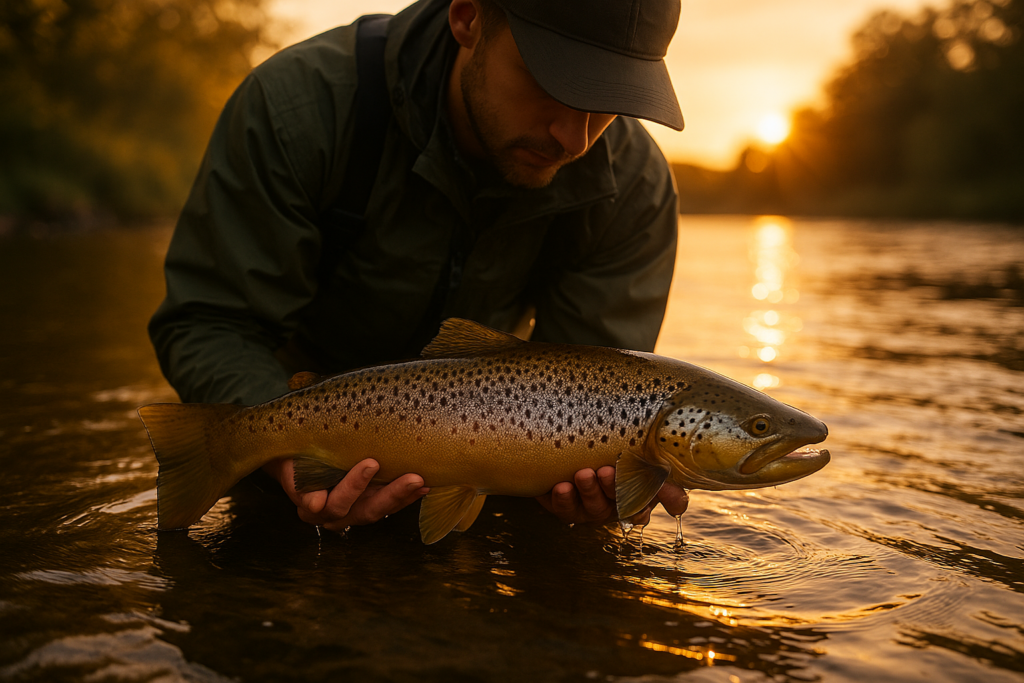
Handling techniques also play a significant role in the survival of released fish. Anglers should keep air exposure to under 60 seconds and handle fish minimally, using wet hands to avoid damaging their skin. It’s important to avoid touching the eyes and gills and to support the fish’s body along its full length rather than suspending it vertically by the lip or jaw.
For those fishing in deeper waters, awareness of barotrauma is critical. Deep-water fish can suffer from this condition—a build-up of gases in body cavities—when brought up rapidly from depths greater than 30 feet. Releasing such fish at depth using a descending device significantly improves their chances of survival compared to releasing them at the surface.
Moreover, anglers should be attentive to the condition of exhausted fish. Before releasing these fish, they must be resuscitated by holding them upright and facing into a current until they regain equilibrium and can swim away on their own. Releasing a sluggish fish at the surface before it has fully recovered can sharply reduce its chances of survival.
By adhering to these best practices, local anglers can contribute to the sustainability of fish populations in the waters surrounding Hilton Head Island. As fishing remains a cherished activity for residents and visitors alike, implementing these scientifically backed methods ensures that future generations can enjoy the rich marine life that the area has to offer.