Extreme heat events, characterized by a sustained period of days significantly hotter than the seasonal average, are increasingly recognized as a critical public health concern. These events are responsible for more fatalities annually than any other weather phenomenon, a trend exacerbated by climate change, which contributes to their growing frequency, severity, and duration. In response, health authorities are reiterating essential safety protocols for residents of Hilton Head Island and the wider Lowcountry region.
Central to heat safety is diligent hydration. General recommendations advise consuming approximately three-quarters of a gallon of water daily. However, this intake should increase during periods of extreme heat or physical exertion. It is crucial to avoid beverages that can contribute to dehydration, such as those high in sugar, caffeine, or alcohol. For individuals engaging in activities that induce heavy sweating, combining water intake with snacks or a sports drink can help replenish lost electrolytes. Those with pre-existing medical conditions or who are taking specific medications should consult a healthcare professional to determine their appropriate fluid intake, as individual needs can vary.
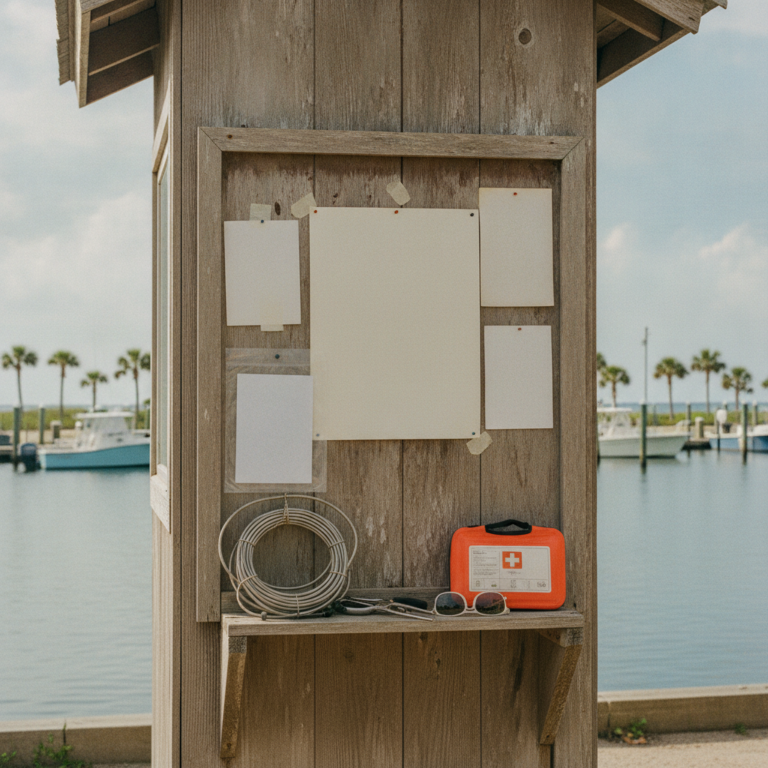
Preparedness for extreme heat extends to emergency supplies. Households are advised to assemble both a “Go-Kit” and a “Stay-at-Home Kit.” A Go-Kit should contain at least three days of portable supplies, designed for rapid evacuation. A Stay-at-Home Kit, conversely, should be stocked with at least two weeks’ worth of provisions for sheltering in place. Essential items for both kits include a minimum of one gallon of drinking water per person per day, non-perishable food, necessary medicines, sunscreen, wide-brimmed hats for sun protection, backup batteries and chargers for electronic devices, and important personal records. Medications and medical supplies, in particular, should be sufficient to cover a full month.
During an extreme heat event, strategic behavior can significantly mitigate risk. Individuals should spend as much time as possible in air-conditioned environments. When home air conditioning is unavailable or insufficient, predetermined cool locations such as public libraries, shopping malls, or designated cooling centers can provide refuge. Wearing lightweight, loose-fitting clothing is advisable, as is taking cool showers or baths to lower body temperature. Limiting outdoor activity, especially during the hottest parts of the day, is paramount. For those whose work or responsibilities necessitate outdoor presence, scheduling these activities for earlier or later in the day, when temperatures are typically lower, is a recommended practice.
Certain populations face a greater risk of heat-related illness. This includes older adults, infants, young children, and pregnant women, whose bodies may regulate temperature less efficiently. Individuals with pre-existing medical conditions, particularly cardiovascular or respiratory issues, are also highly vulnerable. Outdoor workers, who are directly exposed to high temperatures for extended periods, face elevated risks. Furthermore, people with limited personal resources, who may lack access to air conditioning or adequate hydration, and those living in urban areas with fewer green spaces, which tend to be hotter, are disproportionately affected.
Recognizing the symptoms of heat illness and knowing how to respond is vital. Heat cramps, often the first sign of heat-related distress, manifest as heavy sweating accompanied by muscle pain or spasms. If experiencing heat cramps, individuals should move to a cool place and consume water or a sports drink. Immediate medical attention is advised if cramps persist for longer than one hour or if the affected person has a heart condition.
More severe conditions, heat exhaustion and heat stroke, demand escalating responses. Heat exhaustion symptoms include heavy sweating, cold, pale, and clammy skin, a fast but weak pulse, nausea or vomiting, general weakness, dizziness, headache, or passing out. If these symptoms appear, the individual should be moved to a cool place, loosened clothing, and given sips of water. Heat stroke is a medical emergency characterized by a body temperature of 104°F or higher, often with hot, red, and dry or damp skin, a fast strong pulse, confusion, and loss of consciousness. In cases of suspected heat stroke, calling 911 immediately is critical. While awaiting emergency services, efforts should focus on rapidly cooling the person’s body, but nothing should be given to them to drink.
Why it matters in Hilton Head Island
For Hilton Head Island, a community that thrives on its outdoor environment and hospitality industry, understanding and adhering to extreme heat safety guidance is particularly important. The island’s significant tourism sector, exemplified by major employers like Sea Pines Resort and Marriott Resorts Hospitality, relies on both visitors and a substantial workforce who spend time outdoors. Protecting these individuals, from golf course staff to beachgoers and construction workers, is essential for public health and economic stability. Novant Health Hilton Head Medical Center stands as a critical resource for managing heat-related emergencies, underscoring the need for residents and visitors alike to be prepared and informed to minimize strain on healthcare services during peak summer temperatures. Proactive measures can safeguard the well-being of everyone on Hilton Head Island, ensuring a safer summer for all. This guidance also applies to the broader Beaufort County area, where outdoor work and recreation are common. Residents across Hilton Head Island neighborhoods, from Sea Pines to Hilton Head Plantation, benefit from understanding these protocols.