New safety guidelines have been released to assist anglers in navigating the inherent risks of fishing, particularly during the summer season. The recommendations focus on preventative measures against sun exposure, dehydration, and heat-related illnesses, alongside essential preparedness for boat and remote fishing excursions across the Lowcountry.
One of the primary concerns for those spending extended periods outdoors, especially on the water, is sun exposure. The sun’s ultraviolet (UV) radiation is most intense between 10 AM and 4 PM, a period when many anglers are active. Water surfaces can significantly amplify this risk by reflecting up to 15% of UV radiation, increasing overall exposure. To counter this, the guidelines recommend using a broad-spectrum sunscreen with a sun protection factor (SPF) of at least 30, with SPF 50 or higher preferred for prolonged water activities. Sunscreen should be applied approximately 30 minutes before heading outdoors and reapplied every two hours, or more frequently if an individual is sweating heavily or has been splashed.
Beyond topical protection, physical barriers are crucial. Lightweight, long-sleeved clothing with a UPF (Ultraviolet Protection Factor) rating is advised to block harmful rays. A wide-brimmed hat, offering at least four inches of coverage around the head and neck, provides additional protection. Polarized sunglasses that block 100% of UV radiation are also recommended to protect eyes from both direct and reflected sunlight.
Hydration is another critical component of summer fishing safety. The guidelines stress the importance of consistent fluid intake, recommending at least 8 ounces of water every 15 to 20 minutes during active fishing. Proper hydration should begin the night before an outing to ensure the body is adequately prepared. Beverages high in caffeine or alcohol should be avoided, as they can contribute to dehydration rather than alleviate it.
Recognizing the early signs of dehydration is vital for preventing more severe health issues. Initial indicators include thirst, a dry mouth, decreased urination, and general fatigue. If these symptoms are ignored, dehydration can progress to more serious conditions, manifesting as dizziness, a rapid heartbeat, and confusion. Anglers experiencing these advanced symptoms should seek shade, rest, and rehydrate immediately.
Heat-related illnesses, such as heat exhaustion and heat stroke, pose significant dangers. Heat exhaustion typically involves heavy sweating, cold and clammy skin, nausea, muscle cramps, and faintness. While serious, it can often be managed by moving to a cooler environment, loosening clothing, and drinking cool (non-alcoholic) beverages. Heat stroke, however, is a medical emergency requiring immediate attention. Symptoms include a body temperature exceeding 103°F, an altered mental state (confusion, irritability, delirium), hot and dry skin (though sweating may still occur), and a rapid, strong pulse. Unconsciousness can also be a sign. In cases of suspected heat stroke, calling 911 immediately is paramount, and aggressive cooling measures should be initiated while awaiting emergency services.
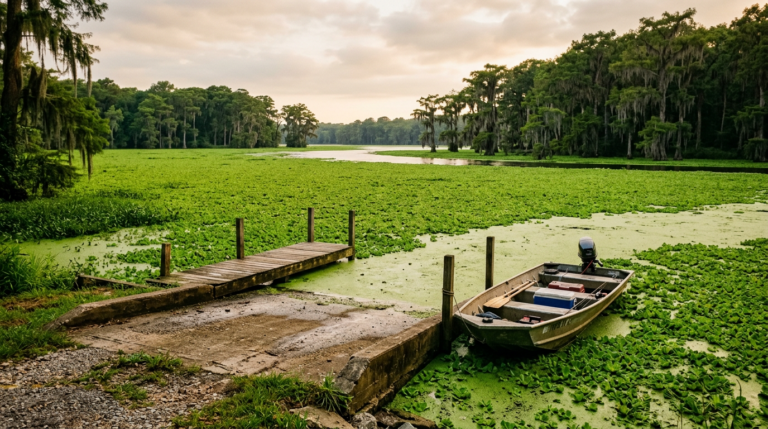
For those venturing out on the water in boats or to remote fishing locations, additional precautions are necessary. Before departure, it is advisable to check the boat’s engine cooling system to prevent overheating, a common issue in warmer conditions. Filing a float plan with a trusted individual, detailing the fishing location, expected return time, and number of passengers, is a critical safety measure. Carrying extra water and emergency supplies, including a VHF radio for communication, is also recommended. Specifically, at least one gallon of water per person per day should be carried for emergencies, in addition to regular hydration supplies.
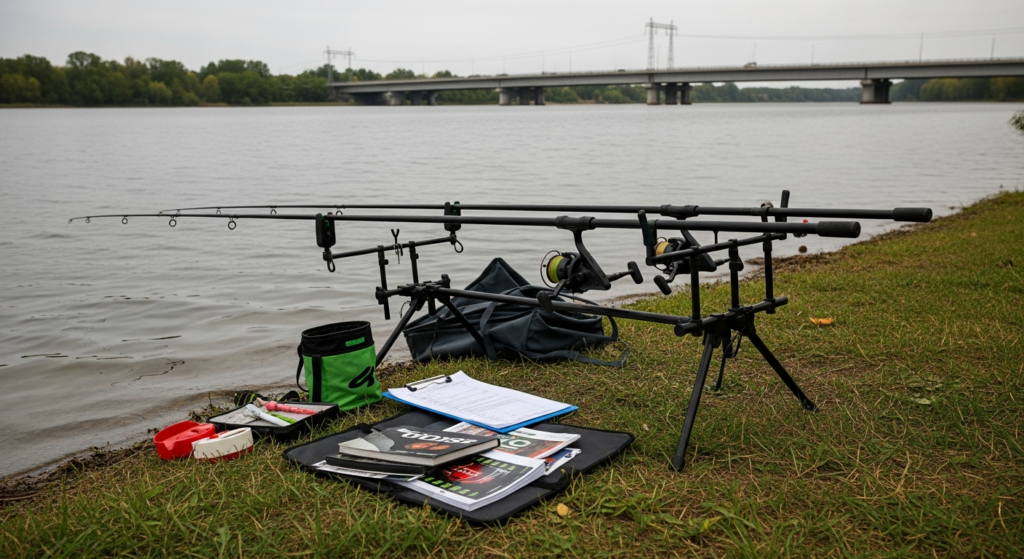
General best practices for fishing in the Lowcountry during the summer include planning trips for cooler parts of the day, such as before sunrise or a few hours before sunset. Utilizing natural shade or creating it with canopies, and taking frequent breaks from direct sun exposure, can significantly reduce heat stress. Carrying a well-stocked first-aid kit and cooling supplies, such as wet towels or a spray bottle, can also be beneficial. Informing someone of your fishing plan and expected return time is a simple yet effective way to ensure help can be dispatched if an unforeseen situation arises.
These guidelines are particularly relevant for residents and visitors enjoying the extensive waterways around Hilton Head Island, including Broad Creek, Skull Creek, and the Calibogue Sound, where fishing is a popular pastime. Adhering to these safety measures can significantly reduce risks and ensure a safer experience for all anglers.
Why it matters in Hilton Head Island
The comprehensive fishing safety guidelines are of particular importance to Hilton Head Island, a community deeply connected to its coastal environment and recreational water activities. With a significant portion of the population engaging in fishing, whether for sport or leisure, the potential for heat-related illnesses and water emergencies is a tangible concern. Novant Health Hilton Head Medical Center, a key healthcare provider for the island, frequently addresses cases of dehydration, heat exhaustion, and more severe conditions like heat stroke during the warmer months. Adherence to these guidelines can directly reduce the strain on emergency services and hospital resources, ensuring that residents and visitors can enjoy the island’s natural beauty safely while minimizing preventable health crises. The emphasis on preparedness also aligns with the community’s focus on responsible outdoor recreation.