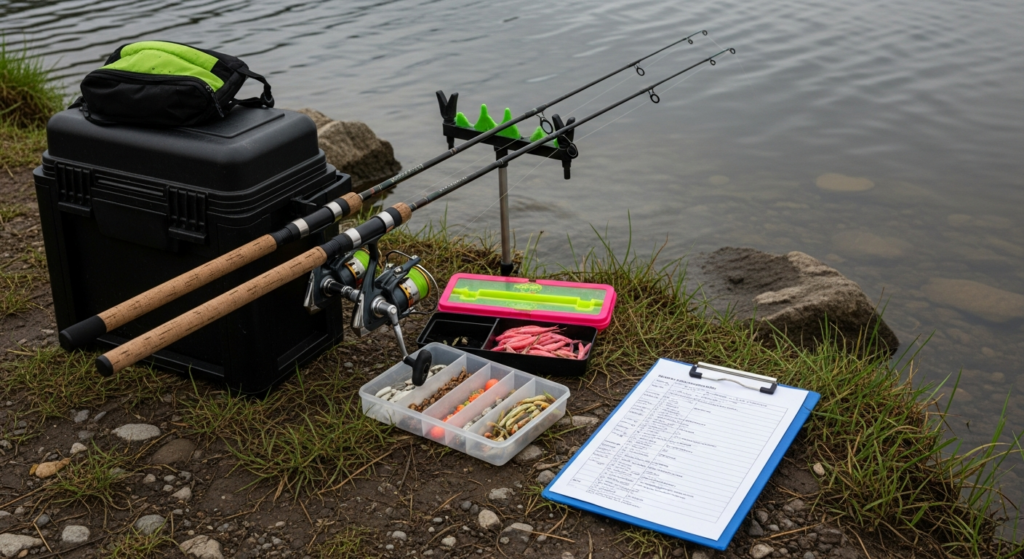
Fishing in the waters surrounding Hilton Head Island remains a popular activity throughout the summer months, drawing both experienced anglers and recreational enthusiasts to the region’s diverse waterways. However, the sustained heat and intense sun characteristic of August in the Lowcountry necessitate stringent safety measures to mitigate risks ranging from sunburn to life-threatening heatstroke.
A comprehensive safety guide, recently disseminated, emphasizes several key areas for those venturing out to fish, whether from shorelines, piers, or boats. The resource underscores the importance of proactive planning to ensure a safe experience on the water.
Protection from Sun Exposure
One of the primary concerns for anglers in Hilton Head Island during summer is solar radiation. The guide highlights that the sun’s ultraviolet (UV) rays are most potent between 10 AM and 4 PM, a period when many fishing expeditions are underway. Compounding this, water surfaces can reflect up to 15% of UV radiation, effectively increasing an individual’s exposure beyond direct sunlight.
To counter this, the guide recommends using broad-spectrum sunscreen with a minimum Sun Protection Factor (SPF) of 30. For individuals anticipating extended periods on the water, an SPF of 50 or higher is advised. Proper application is critical: sunscreen should be applied at least 30 minutes before sun exposure to allow it to bind to the skin, and reapplied every two hours. More frequent reapplication is necessary after heavy sweating or direct contact with water, such as from splashing or swimming.
Beyond topical protection, physical barriers are strongly encouraged. Lightweight, long-sleeved clothing with an Ultraviolet Protection Factor (UPF) rating can significantly reduce skin exposure. Headwear is also essential; a wide-brimmed hat providing at least four inches of coverage around the entire head and neck offers substantial protection. Polarized sunglasses that block 100% of UV radiation are recommended to protect eyes from both direct and reflected sunlight, which can cause long-term damage and contribute to glare-related accidents.
Maintaining Hydration
Dehydration poses another significant risk in the warm, humid climate of Hilton Head Island. The guide advises a consistent hydration strategy, recommending that anglers consume at least eight ounces of water every 15 to 20 minutes during active fishing. This steady intake helps the body regulate its temperature and replace fluids lost through perspiration.
Conversely, certain beverages can exacerbate dehydration. The resource explicitly warns against consuming drinks high in caffeine or alcohol while fishing, as both are diuretics that can lead to increased fluid loss and compromise the body’s ability to stay hydrated. Opting for plain water or electrolyte-rich sports drinks is presented as the most effective approach to fluid management.
Recognizing and Responding to Heat-Related Illnesses
Understanding the symptoms and appropriate responses to heat-related illnesses is paramount. The guide distinguishes between heat exhaustion and the more severe, life-threatening condition of heat stroke.
Symptoms of heat exhaustion include heavy sweating, general weakness, nausea, a persistent headache, and muscle cramps. If these signs appear, immediate intervention is necessary. The guide recommends moving the affected individual to a shaded or cooler area, removing any excess clothing to facilitate cooling, and applying cool water to their skin. If the person is conscious and able to swallow, providing cool fluids can aid recovery.
Heat stroke is described as a medical emergency requiring immediate professional attention. Its symptoms are more severe and include a body temperature exceeding 103°F, an altered mental state (such as confusion, irritability, or disorientation), hot and dry skin (though profuse sweating can still occur), a rapid pulse, and potentially unconsciousness. The guide unequivocally states that 911 must be called immediately upon recognizing these symptoms. While awaiting emergency services, aggressive cooling measures should be initiated, such as immersing the person in cool water or applying ice packs to the neck, armpits, and groin.
Boat Fishing Precautions
For those fishing from boats in the expansive waterways around Hilton Head Island, such as Broad Creek, Skull Creek, Port Royal Sound, or Calibogue Sound, additional precautions are necessary. The guide advises a thorough check of the boat’s engine cooling system before departure to prevent mechanical failures that could leave anglers stranded. Filing a float plan with a trusted contact, detailing the intended route, duration, and number of people on board, is also a critical safety measure.
Emergency supplies are non-negotiable for boaters. This includes carrying ample extra water, with a recommendation of at least one gallon per person per day for emergencies, particularly if an unexpected delay occurs. A working VHF radio is also essential for communication, especially in areas where cellular service may be unreliable, allowing for direct contact with marine rescue services.
Beyond these specific recommendations, the guide also touches on general fishing safety, including careful handling of hooks and tackle to prevent injuries, and the importance of carrying a well-stocked first aid kit for minor cuts, scrapes, or other common ailments.
Why it matters in Hilton Head Island
The adherence to summer fishing safety guidelines is particularly pertinent for Hilton Head Island, a community where water-based recreation is central to both the local economy and the lifestyle of its residents. With major employers like Sea Pines Resort and Marriott Resorts Hospitality relying on a vibrant tourism sector, ensuring the safety of visitors and locals alike on the water is crucial for maintaining the island’s reputation as a premier destination. Furthermore, the capacity of local healthcare providers, including Novant Health Hilton Head Medical Center and Beaufort Memorial Hospital, can be impacted by preventable heat-related emergencies or boating accidents. By following these established safety protocols, individuals contribute to their personal well-being and help preserve the resources and emergency services of Beaufort County, allowing them to focus on critical care rather than preventable incidents. This collective vigilance allows residents and visitors to continue enjoying the natural beauty and recreational opportunities that define Hilton Head Island’s summer experience responsibly.