Anglers planning fishing excursions in the waters surrounding Hilton Head Island this summer are advised to review comprehensive safety protocols covering hydration, sun protection, and responsible fish handling. With the Lowcountry’s characteristic August heat and humidity, understanding and implementing these guidelines is crucial for preventing heat-related illnesses and ensuring a safe experience on the water.
Central to any summer outdoor activity, especially fishing, is adequate hydration. The guidance recommends starting the day with a substantial intake of water, emphasizing the need to drink regularly throughout the day, even before thirst becomes apparent. A target of at least eight glasses daily is suggested, with increased intake during periods of heavy sweating, which is common during fishing in the open sun. Carrying a large, insulated water bottle is practical for maintaining cool water temperatures. For extended trips or particularly strenuous activity, electrolyte drinks or tablets can help replenish essential salts lost through perspiration. Anglers are also cautioned to avoid caffeine and alcohol, both of which can contribute to dehydration. Incorporating water-rich fruits and vegetables into one’s diet before and after fishing can further support hydration levels.
Sun protection is another paramount concern for those spending hours on the water. The sun’s ultraviolet (UV) rays are strongest between 10 AM and 4 PM, a period that often overlaps with prime fishing times. Anglers should apply broad-spectrum sunscreen with an SPF of at least 30 to all exposed skin approximately 15 to 30 minutes before heading outdoors. Reapplication is necessary every two hours, or more frequently if sweating heavily or after contact with water. Neglecting sunscreen can lead to severe sunburn, increasing the risk of long-term skin damage.
Appropriate clothing plays a significant role in mitigating sun exposure and managing body temperature. Lightweight, loose-fitting garments in light colors are recommended, as they reflect sunlight and allow for better air circulation. Materials that are breathable or moisture-wicking can help draw sweat away from the skin, promoting evaporative cooling. UV-protective clothing, specifically designed to block harmful rays, offers an additional layer of defense. Long sleeves and long pants provide maximum coverage. A wide-brimmed hat is essential for protecting the face, ears, and neck, while UV-protective sunglasses shield the eyes from glare and harmful rays. A buff or neck gaiter can offer further protection for the neck and lower face. For footwear, options that provide good grip and support are important, with water shoes being particularly useful for shallow-water wading, a common practice in the estuaries and tidal flats around Hilton Head Island.
Recognizing and responding to symptoms of heat exhaustion is vital for angler safety. Key indicators include heavy sweating, general weakness, dizziness, nausea, headache, and muscle cramps. Should these symptoms arise, immediate action is required. The affected individual should move to a shaded area or, if possible, an air-conditioned space. Slowly drinking cool water or an electrolyte solution can help rehydrate the body. Applying cool, wet cloths to the skin, taking a cool shower or bath, and loosening or removing unnecessary layers of clothing can also aid in cooling down. If symptoms persist or worsen, medical attention should be sought promptly, especially given the potential for remote locations when fishing.
Monitoring weather and water conditions is a non-negotiable aspect of safe fishing. Before embarking on any trip, anglers should thoroughly check local weather forecasts, paying close attention to heat advisories and severe weather alerts. Coastal weather can change rapidly in the Lowcountry, making real-time updates critical. A weather radio or a smartphone application with real-time alerts can provide crucial warnings about sudden shifts in conditions, such as approaching thunderstorms or strong winds. Consulting tide charts and understanding local river conditions, particularly for tidal creeks like Broad Creek or Skull Creek, is also important for safe navigation and successful fishing. Planning trips for early morning or late afternoon can help avoid the most intense heat of the day. Furthermore, employing a buddy system ensures that someone is aware of an angler’s whereabouts and can assist in an emergency.
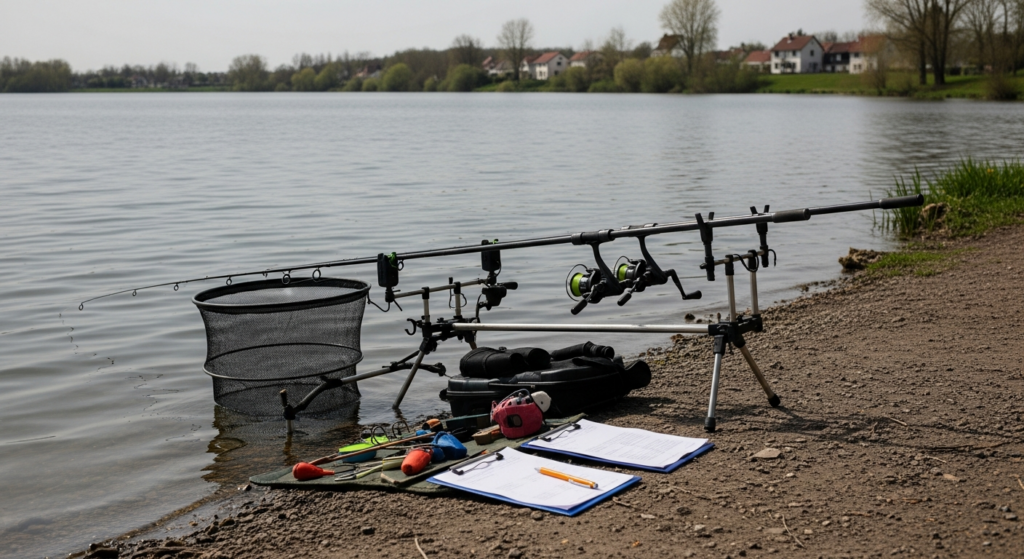
Carrying essential gear can make a significant difference in handling unexpected situations. A well-stocked first-aid kit, containing bandages, antiseptics, pain relievers, and any personal medications, is fundamental. Beyond water and high-energy snacks, a cooler with ice packs is essential for keeping drinks and food cool, and for storing any catch safely. A portable fan or misting device can provide additional relief from the heat. Sunscreen, hats, and sunglasses are, of course, indispensable. A multi-tool or fishing knife is useful for various tasks, from cutting line to emergency repairs. Extra clothing and a lightweight waterproof jacket are prudent additions, offering protection against sudden rain showers or cooler evening temperatures.
Finally, responsible fish handling practices are crucial for the sustainability of the diverse marine ecosystems around Hilton Head Island. Anglers are encouraged to use barbless hooks or to crimp the barbs on their hooks, which minimizes injury to fish, especially when practicing catch-and-release. When handling fish, wetting hands before touching them helps protect their protective slime coat. Avoiding contact with the gills and eyes, and supporting the fish’s entire body, reduces stress and physical trauma. Limiting the time a fish spends out of water is critical for its survival. Using a landing net can facilitate safe and quick retrieval. For those planning to photograph their catch, preparing cameras in advance ensures a swift process. Adhering to all catch limits and seasonal restrictions is a legal and ethical obligation. Practicing catch-and-release, particularly for larger, breeding-age fish, contributes significantly to maintaining healthy fish populations in the region’s vital estuaries and sounds.
Why it matters in Hilton Head Island
Recreational fishing is a cornerstone of the summer economy and lifestyle in Hilton Head Island, attracting both residents and visitors to the rich waters of Port Royal Sound, Calibogue Sound, and the numerous tidal creeks. The safety guidelines outlined are not merely suggestions but essential practices that directly impact the well-being of individuals and the broader community. Incidents of heat exhaustion or other fishing-related emergencies can strain local emergency services, including those provided by Novant Health Hilton Head Medical Center. Moreover, responsible fishing practices, such as catch-and-release and adherence to limits, are vital for preserving the ecological health of the Lowcountry’s marine environment, which supports not only recreational activities but also the commercial fishing industry and the overall tourism appeal that underpins much of Hilton Head Island’s economy. Ensuring a safe and sustainable fishing environment protects both people and the natural resources that define this barrier island destination.