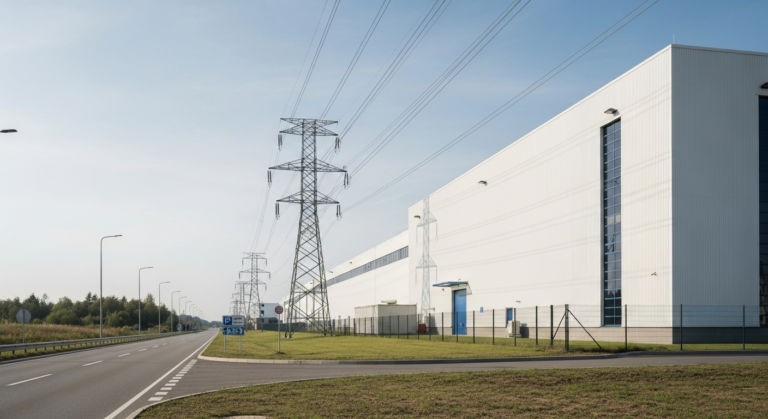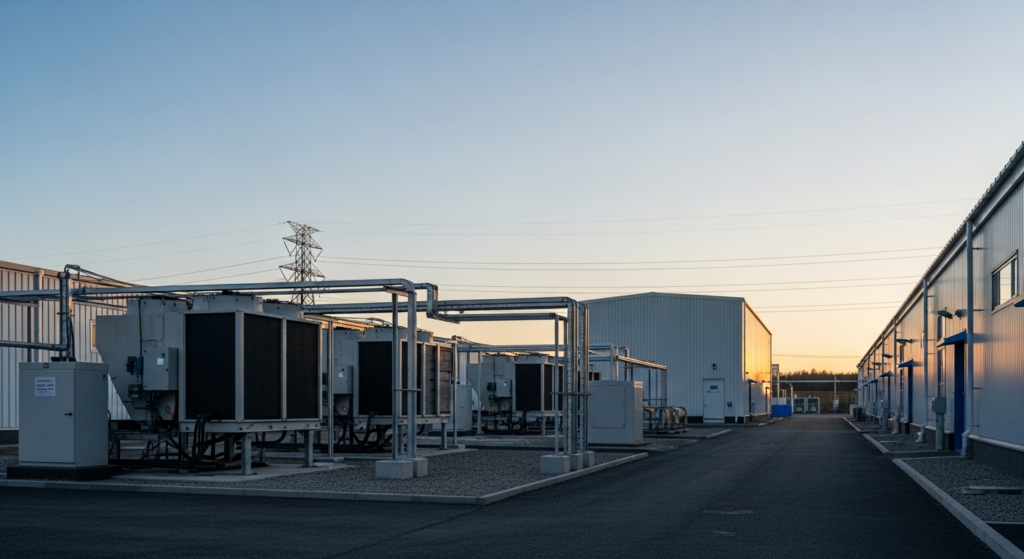
The accelerating global demand for artificial intelligence infrastructure is reshaping the landscape of technology development, with a critical shift occurring in what constitutes the primary bottleneck. While early phases of AI innovation focused on the scarcity of advanced processing chips, the current challenge has pivoted to the availability of electrical power and the capacity of existing grid infrastructure.
This evolution means that the construction and operation of AI data centers, which are fundamental to powering these advanced computational systems, are now placing unprecedented strain on electrical grids worldwide. These facilities are not merely large consumers of electricity; they require immense, consistent, and reliable power supplies, often drawing as much energy as small cities. The implications extend beyond immediate consumption, impacting long-term energy planning and grid reliability.
For utility companies, the rapid expansion of AI data centers presents a complex planning dilemma. Traditional grid expansion models, often based on gradual population growth and industrial development, are struggling to keep pace with the exponential power demands of AI. The need to quickly build out new generation capacity, transmission lines, and distribution networks requires significant capital investment and often faces regulatory and logistical hurdles. This situation threatens to compromise grid reliability in regions unprepared for such a surge in demand.
In the Lowcountry, particularly in Beaufort County, which is recognized as the second-fastest-growing county in South Carolina, these global trends carry specific relevance. While there are no immediate plans for large-scale AI data centers explicitly announced for Hilton Head Island or its immediate vicinity, the underlying principle of robust and reliable power infrastructure remains paramount for sustained growth and economic stability. The region’s diverse economy, encompassing luxury hospitality, defense, healthcare, and real estate, relies heavily on a stable electrical supply.
Major employers such as Novant Health Hilton Head Medical Center and institutions like the University of South Carolina Beaufort depend on uninterrupted power for their daily operations, from critical medical equipment and patient care systems to academic research and administrative functions. Similarly, the extensive hospitality sector, including entities like Sea Pines Resort and Marriott Resorts Hospitality Corporation, requires reliable electricity to maintain guest services and operate complex resort infrastructure. Any instability in the power grid, driven by broader technological demands or local growth, could have cascading effects on these vital sectors.
The Marine Corps Recruit Depot Parris Island and Marine Corps Air Station Beaufort, key federal installations in the Lowcountry, also operate with stringent requirements for power reliability, essential for national security operations and the well-being of personnel. The increasing digitization across all sectors, from K-12 education through the Beaufort County School District to commercial enterprises, underscores the foundational role of a resilient power grid.
Utility providers serving the Lowcountry must navigate these evolving demands, balancing the need for current reliability with the imperative for future capacity expansion. This involves strategic investments in infrastructure upgrades, exploring diversified energy sources, and engaging in proactive planning to anticipate future load growth, whether from traditional development or emerging high-tech requirements. The challenge is not merely about generating more power, but ensuring that the grid can efficiently and reliably deliver it to where it is needed, when it is needed.
The current climate of intense AI infrastructure development highlights a critical juncture for regional planning. The discussions around power generation, grid modernization, and energy resilience are no longer abstract technical considerations but central components of economic development and quality of life. For a region like Hilton Head Island, known for its pristine environment and high quality of life, ensuring that infrastructure keeps pace with technological and population growth is a continuous undertaking.
Why it matters in Hilton Head Island
The global shift towards power as the primary bottleneck for AI infrastructure development has direct implications for the long-term planning and resilience of utility services across the Lowcountry, including Hilton Head Island. For institutions like Novant Health Hilton Head Medical Center, which provides essential healthcare services to the community, a stable and reliable power supply is non-negotiable. As Beaufort County continues its rapid growth, ensuring the electrical grid can support not only residential and commercial expansion but also the increasing digital demands of modern society becomes critical. Proactive utility planning and infrastructure investment are essential to safeguard the operational continuity of key employers and public services, maintaining the economic vitality and quality of life that define Hilton Head Island.