As summer temperatures continue across the Lowcountry, gardeners in Hilton Head Island are focusing on strategic watering and diligent plant care to ensure the health of their landscapes. The prevailing advice for July centers on adjusting irrigation schedules and understanding how to identify and alleviate plant stress brought on by the heat.
Optimal watering timing is paramount during periods of high heat. Experts suggest that watering in the early morning hours, typically between 5 a.m. and 9 a.m., is most effective. This allows water to penetrate the soil before the intense heat of the day causes rapid evaporation, ensuring that plant roots receive adequate moisture. Watering in the late evening can also be beneficial, but early morning is generally preferred to allow foliage to dry before nightfall, which can help prevent fungal diseases in the humid climate of Hilton Head Island.
Conversely, watering during the hottest parts of the day, particularly midday, is largely inefficient. Much of the water can evaporate before reaching the roots, and water droplets on leaves can magnify sunlight, potentially scorching delicate foliage. The goal is to provide deep, infrequent watering rather than shallow, frequent applications. Deep watering encourages roots to grow deeper into the soil, making plants more resilient to dry spells and heat.
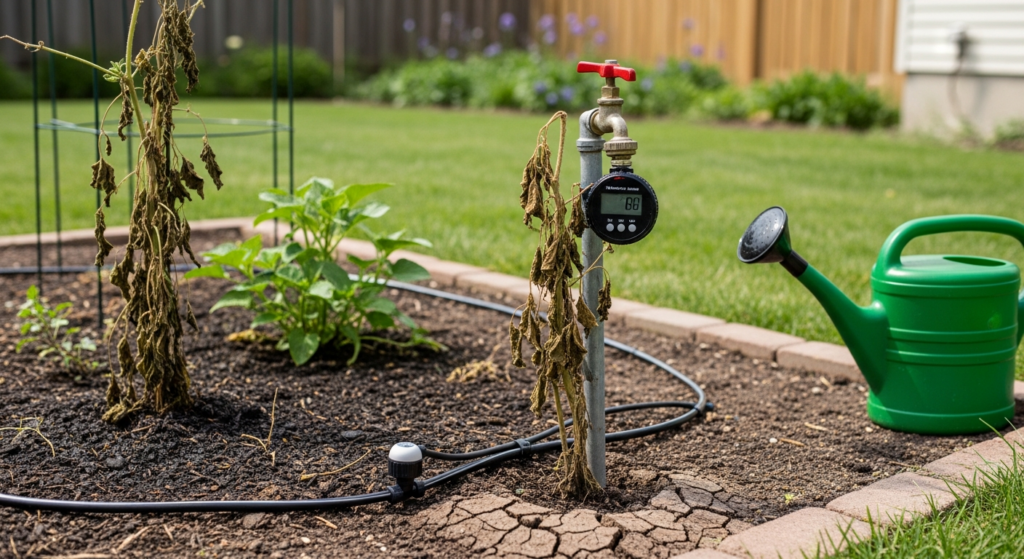
Recognizing the signs of plant stress is another critical aspect of summer gardening. Wilting leaves, yellowing foliage, and stunted growth are common indicators that plants are struggling with heat or insufficient water. Some plants may also exhibit leaf scorch, where the edges of leaves turn brown and crispy. Monitoring plants daily for these symptoms allows for timely intervention, such as providing additional water, temporary shading, or adjusting soil amendments.
Beyond watering, July outdoor-care tasks include several heat-related maintenance reminders. Gardeners are advised to mulch beds generously to help retain soil moisture and regulate soil temperature. Weeding should be done regularly, as weeds compete with desirable plants for water and nutrients, a competition intensified by heat. Pruning should generally be kept to a minimum during extreme heat, focusing only on removing dead or diseased branches, as extensive pruning can further stress plants. Fertilization should also be approached cautiously; heavy feeding during heat waves can stimulate new growth that is more susceptible to stress.
For residents maintaining gardens in areas like Sea Pines, Palmetto Dunes, or Hilton Head Plantation, these practices are particularly relevant. The sandy soils common across Hilton Head Island can drain quickly, necessitating careful attention to watering regimens. Understanding the specific needs of different plant species, from ornamental shrubs to vegetable gardens, is key to successful summer cultivation in the Lowcountry.
### Why it matters in Hilton Head Island
The effective management of gardens and landscapes during the summer heat directly impacts the aesthetic and environmental quality of Hilton Head Island. With a significant portion of the island’s appeal tied to its lush, well-maintained natural and cultivated spaces, from private residences to public parks like Coligny Beach Park, the health of local flora is a visible measure of community care. Institutions such as the Sea Pines Resort, which maintains extensive golf courses and landscaped areas, rely on these precise horticultural strategies to preserve their grounds. Adopting best practices for watering and plant care helps conserve water resources and ensures the vitality of the island’s green infrastructure, contributing to both ecological resilience and the quality of life for residents and visitors alike in Hilton Head Island.