Anglers preparing for excursions on the waters surrounding Hilton Head Island this summer are encouraged to review a comprehensive set of safety recommendations designed to mitigate risks associated with warm weather and prolonged sun exposure. The guidelines, which cover seven key areas, aim to ensure a safer and more enjoyable experience for those fishing in the Lowcountry.
Central to the recommendations is the critical importance of staying adequately hydrated. The guide advises drinking a minimum of eight glasses of water daily, with increased intake necessary when engaging in strenuous activity or sweating heavily. Carrying a large, insulated water bottle is suggested, and considering electrolyte drinks or tablets can help replenish essential minerals. Anglers are also cautioned to avoid caffeine and alcohol, which can contribute to dehydration, and to take regular breaks for hydration. Some fishing charters and tours in the region often provide complimentary drinks on board, a practice that aligns with these recommendations.
Protection against the sun is another paramount concern. The guidelines stress the application of broad-spectrum sunscreen with an SPF of at least 30, to be applied 15 to 30 minutes before going outdoors and reapplied every two hours, or more frequently after sweating or contact with water. UV-protective sunglasses, wide-brimmed hats, and protective clothing are also recommended to shield against harmful rays. Anglers should be particularly mindful during the peak sun hours, identified as between 10 AM and 4 PM, when the sun’s intensity is highest.
Understanding and preventing heat exhaustion is crucial for summer fishing. Symptoms of heat exhaustion include heavy sweating, general weakness, dizziness, nausea, headaches, and muscle cramps. Should these symptoms arise, individuals are advised to move immediately to a shaded or air-conditioned area, slowly consume cool water or an electrolyte drink, apply cool wet cloths to the skin, and loosen any restrictive clothing. Prompt cooling is essential to prevent the condition from escalating to heat stroke, a more severe medical emergency.
Staying informed about weather and water conditions is a proactive safety measure. The guide recommends consistently checking local weather forecasts, heat advisories, and severe-weather alerts. Anglers should also be prepared for sudden weather changes, which can occur rapidly in coastal environments. Consulting tide charts and river conditions is vital for safe navigation and successful fishing. Utilizing a weather radio or a smartphone application with real-time alerts can provide critical updates. Planning fishing trips for early morning or late afternoon hours can help avoid the most intense heat of the day, and employing a buddy system ensures that no one is fishing alone.
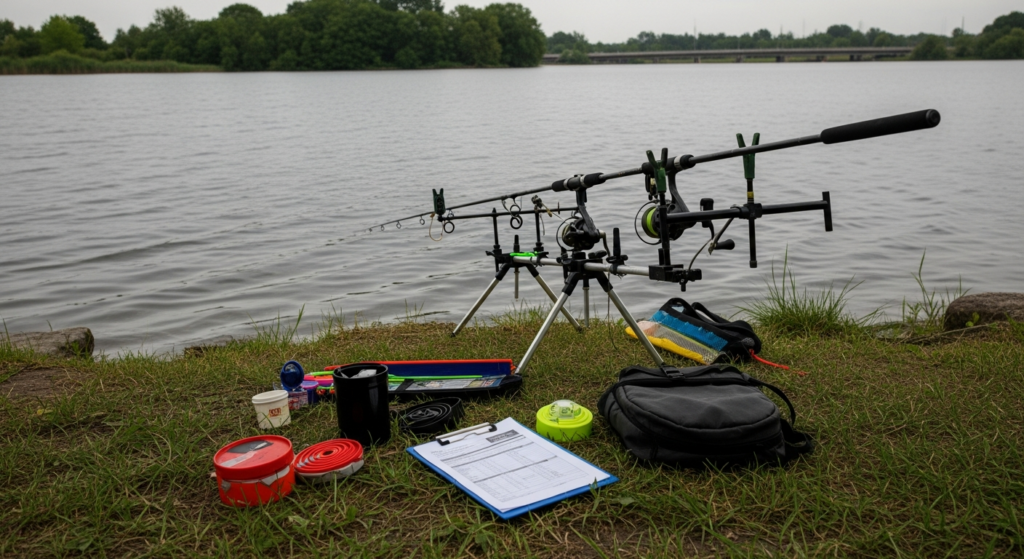
Carrying essential gear can significantly enhance safety and comfort. A well-stocked first aid kit, containing bandages, antiseptics, pain relievers, and any personal medications, is indispensable. Ample water and high-energy snacks are necessary provisions. A cooler filled with ice packs, a portable fan, or a misting device can provide relief from the heat. Beyond sunscreen, hats, and sunglasses, a multi-tool or fishing knife, extra clothing, and a lightweight waterproof jacket are recommended to address various contingencies.
Finally, the guidelines emphasize responsible fishing practices to protect marine life and ensure sustainable angling. Using barbless hooks or crimping barbs on standard hooks minimizes harm to fish. Anglers are advised to wet their hands before handling fish to protect their delicate slime coat, avoid touching gills and eyes, and support the fish’s entire body when holding it. Limiting the time a fish spends out of the water and using a landing net for larger specimens can reduce stress. Adhering to catch limits and seasonal restrictions, as well as practicing catch-and-release when possible—especially for larger, breeding-age fish—contributes to the health of local fish populations.
Why it matters in Hilton Head Island
For residents and visitors on Hilton Head Island, these fishing safety guidelines are particularly relevant given the island’s extensive network of waterways, including Broad Creek and Calibogue Sound, which are popular destinations for recreational fishing. Adhering to these recommendations is not merely about personal comfort; it is a critical component of public health and safety, reducing the strain on local emergency services, including Novant Health Hilton Head Medical Center, which can see an increase in heat-related incidents during the summer months. By adopting these practices, anglers contribute to a safer environment for everyone enjoying the natural beauty and recreational opportunities that define Hilton Head Island’s coastal lifestyle, ensuring the sustainability of its cherished marine ecosystems for future generations.