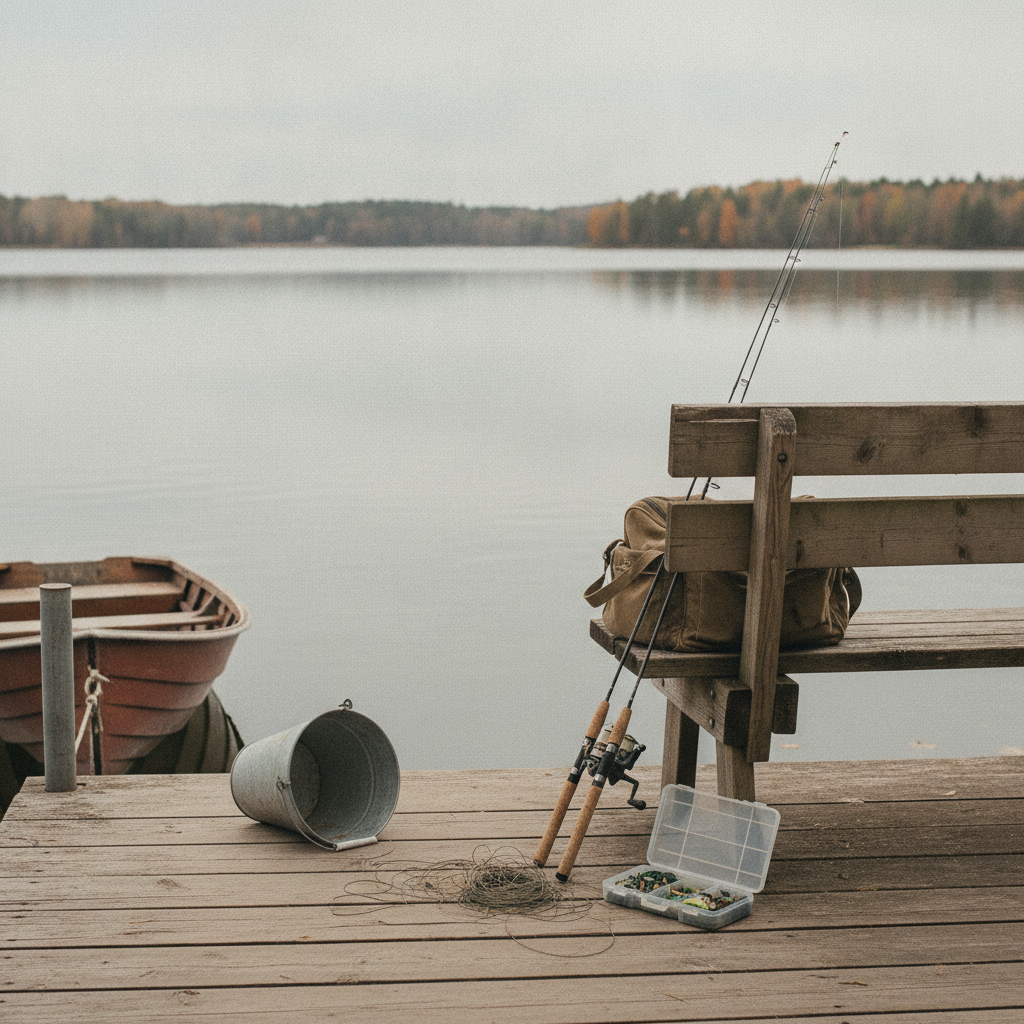
A newly released guide emphasizes critical safety measures for anglers navigating the summer conditions prevalent in the Lowcountry, particularly around Hilton Head Island. The resource details precautions against sun exposure, dehydration, and heat-related emergencies, offering practical advice for both shore-based and boat-based fishing.
The guide underscores that the sun’s ultraviolet (UV) rays are most intense between 10 AM and 4 PM. Compounding this, water surfaces can reflect up to 15% of UV radiation, significantly increasing exposure for those on or near the water. To counter this, anglers are advised to use broad-spectrum sunscreen with a sun protection factor (SPF) of at least 30, with SPF 50 or higher recommended for extended periods on the water. Proper application involves applying sunscreen 30 minutes before going outdoors and reapplying every two hours, or more frequently if sweating heavily or getting splashed.
Beyond sunscreen, protective clothing is a key recommendation. Lightweight, long-sleeved garments with a UPF (Ultraviolet Protection Factor) rating are suggested, along with light-colored clothing that reflects sunlight rather than absorbing it. A wide-brimmed hat, providing at least four inches of coverage around the face and neck, is crucial for head and neck protection. Polarized sunglasses offering 100% UV protection are also essential to safeguard eyes from both direct and reflected sunlight.
Hydration is presented as a foundational element of summer safety. The guide recommends consuming at least eight ounces of water every 15 to 20 minutes during active fishing. Starting hydration the night before a fishing trip can also help prepare the body. Anglers are cautioned to avoid drinks high in caffeine or alcohol, as these can contribute to dehydration rather than alleviate it.
Recognizing the signs of heat-related illness is paramount. Early indicators of dehydration include thirst, dry mouth, decreased urination, and fatigue. If these symptoms are not addressed, more severe signs can develop, such as dizziness, a rapid heartbeat, and confusion. Heat stroke is identified as a life-threatening emergency, characterized by a body temperature above 103°F, an altered mental state, hot and dry skin, a rapid pulse, and potential unconsciousness. In such cases, the guidance is to immediately call 911 and initiate aggressive cooling measures while awaiting emergency medical services.
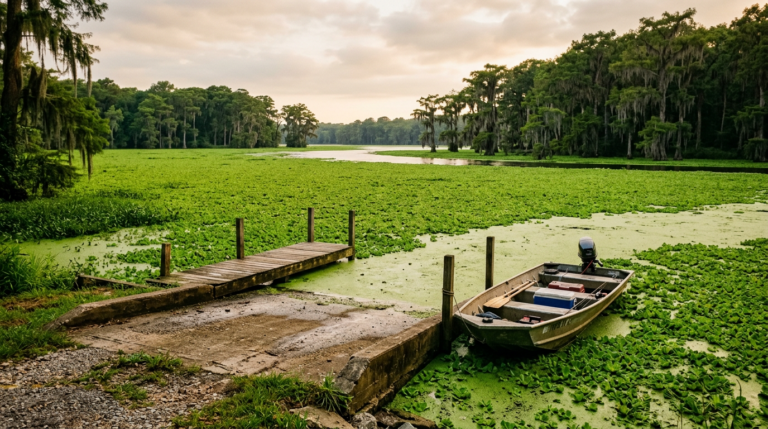
For those venturing onto the water in boats, specific precautions are outlined. Anglers should routinely check their engine cooling systems to prevent breakdowns. Maintaining all safety equipment, including life jackets and flares, is non-negotiable. Filing a float plan with a trusted contact, detailing the trip’s itinerary and expected return time, provides a critical safety net. Carrying extra water and emergency supplies, including a first-aid kit and a reliable communication device like a VHF radio, is also advised. The guide suggests having at least one gallon of water per person per day onboard for emergencies.
The resource also recommends timing fishing excursions for cooler periods of the day, such as early morning or evening, to avoid peak heat. Utilizing natural shade or seeking deeper, cooler waters can also mitigate risks during the warmest hours. Anglers should carry essential first-aid and communication supplies and be prepared to end a trip if environmental conditions become dangerous.
Why it matters in Hilton Head Island
Hilton Head Island, a prominent destination for both recreational and serious anglers, sees significant activity on its waterways and shorelines throughout the summer. The guidance provided in this safety resource is particularly relevant for the thousands of residents and visitors who fish in areas like Broad Creek, Skull Creek, and the expansive Port Royal Sound. Adhering to these safety protocols can reduce the strain on local emergency services, including those provided by Novant Health Hilton Head Medical Center and Beaufort Memorial Hospital, by preventing heat-related illnesses and boating incidents. For institutions like Sea Pines Resort, which hosts numerous water-based activities, promoting these measures ensures the well-being of guests and staff. By prioritizing sun protection, hydration, and preparedness, anglers contribute to a safer environment for everyone enjoying the natural beauty and fishing opportunities around Hilton Head Island.