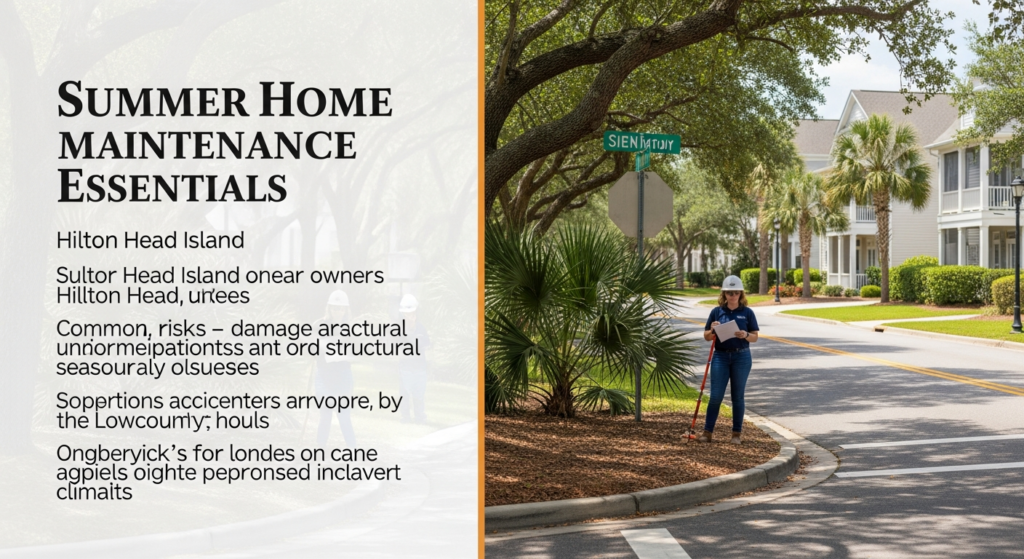
Maintaining a home in the Lowcountry presents a distinct set of challenges, particularly during the summer months. A comprehensive guide for property owners outlines critical maintenance tasks designed to prevent costly damage, mitigate safety risks, and ensure the longevity of residential structures across Hilton Head Island.
Landscaping, a perennial task in the region, carries significant associated risks. Recommendations include a focus on operator safety, such as wearing appropriate protective gear and taking frequent breaks to avoid heat-related illness. Awareness of one’s surroundings is also stressed, given that nearly 320,000 individuals nationally seek emergency room care annually for injuries sustained from lawn and gardening equipment. Beyond personal safety, proper land management is crucial for structural integrity. Experts advise grading soil to ensure a slight decline away from the home within the first 10 feet of the foundation. This measure is vital in preventing water accumulation, which can lead to foundation damage and create breeding grounds for pests. Removing standing water from buckets, plant pots, and other low areas further reduces these risks, a particular concern in the humid climate of Hilton Head Island where mosquito populations can thrive.
For properties featuring swimming pools, diligent maintenance is paramount to both safety and structural preservation. Before the peak pool season, a thorough cleaning of the filter is recommended. The pump filter should also be cleaned regularly, always after the pump has been unplugged and shut off. A significant concern for pool owners is undetected leaks; approximately one in 20 pools nationwide has a detectable leak. These leaks, if left unaddressed, can lead to substantial water loss, increased utility bills, and potentially dangerous sinkholes or structural damage to the surrounding property. A simple test involving a five-gallon bucket placed in the pool for 24 hours can help identify such issues. Additionally, inspecting trees positioned near or over the pool is crucial to prevent falling debris from damaging the pool structure or filtration system, a consideration particularly relevant in a region prone to tropical weather events.
Exterior home maintenance addresses the wear and tear inflicted by the coastal environment. Cleaning gutters and downspouts is a foundational task, with re-inspection after rainstorms to ensure proper drainage and prevent overflow that can damage siding and foundations. Playsets, common in many family-oriented neighborhoods across Hilton Head Island, require regular inspection; this includes tightening nuts and bolts, oiling moving parts, checking protective caps and plugs, and replacing any warped, cracked, or deteriorated components. Nationally, about 50,000 children are treated in emergency rooms each year for playground injuries, with falls accounting for approximately 80% of these incidents. Pressure washing is recommended to remove mold and mildew, which proliferate in the humid Lowcountry climate and can degrade exterior surfaces. A professional roof inspection for shingle damage and water leaks is also advised, especially given the potential for severe weather. Finally, repairing chipped paint or rotted wood not only preserves the aesthetic appeal of a home but also prevents further structural decay.
Outdoor cooking appliances, while popular, necessitate careful handling. Gas, electric, and charcoal grills should be positioned at least three feet away from children and pets, as well as from homes, deck railings, and tree branches. Grills should never be left unattended during operation. Regular cleaning, including the emptying of grease traps, is essential to minimize the risk of flare-ups and grease fires, which can quickly escalate in residential settings. These precautions are critical for preventing accidents that could impact surrounding properties in densely populated areas of Hilton Head Island.
Similarly, fire pits and campfires require stringent safety protocols. A hose or a five-gallon bucket of water should always be kept within immediate reach. Fires must never be left unattended and should be fully extinguished before leaving the area. To control their intensity and spread, fires should be limited to three feet in diameter and two feet in height. The use of a stone- or brick-confined pit or a portable outdoor fireplace equipped with a screen is recommended. Furthermore, removing all flammable materials and dry leaves from the immediate vicinity of the fire pit significantly reduces the risk of unintended spread, a particular concern during dry spells in the Lowcountry.
Indoor conditions also warrant attention, especially concerning security and environmental control. Maintaining and properly locking garage doors is a fundamental security measure. Removing valuables from vehicles parked in driveways or garages can deter opportunistic theft. Monitoring indoor humidity levels with a hygrometer is crucial in Hilton Head Island’s climate; the recommended range is 30% to 60%. Humidity levels exceeding this range can substantially increase the risk of mold growth, wood rot, and pest infestations, all of which can compromise indoor air quality and structural integrity. The use of a dehumidifier is advised when humidity levels consistently remain high.
Finally, the efficient operation of air conditioning systems is indispensable during the prolonged summer heat. It is recommended that a licensed HVAC technician inspect air-conditioning systems or window units *before* the onset of hot weather. Scheduling these inspections prior to the busy season ensures timely service and can prevent system failures when demand for repairs is highest. Proactive maintenance helps maintain optimal performance, reduces energy consumption, and extends the lifespan of these critical cooling systems for homes throughout Hilton Head Island.
Why it matters in Hilton Head Island
The detailed guidance on summer home maintenance holds particular relevance for property owners across Hilton Head Island. With a significant portion of the island’s housing stock comprising vacation rentals and second homes, consistent upkeep is not merely about personal comfort but also about preserving property values and ensuring a positive experience for the millions of visitors who arrive annually. Neglecting these maintenance tasks can lead to issues ranging from minor repairs to significant structural damage, potentially impacting insurance claims and increasing the burden on local emergency services. For instance, an increase in heat-related illnesses or playground accidents could place additional strain on facilities like Novant Health Hilton Head Medical Center. Proactive measures, from proper landscaping to HVAC system checks, contribute directly to the safety, aesthetic appeal, and economic stability of the island’s residential communities and its vital tourism sector.