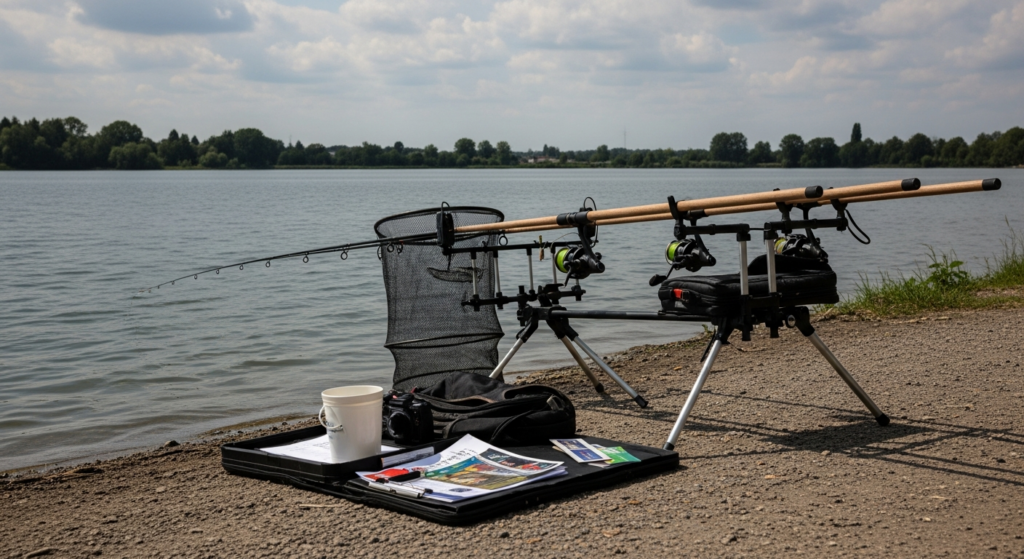
Recreational fishing, a popular pastime across the Lowcountry, is generally considered a low-risk activity, yet specific hazards can lead to serious injury or even fatality. New safety guidance highlights common dangers and preventative measures, urging anglers to adopt practices that enhance personal safety while enjoying the waters around Hilton Head Island.
The most frequently reported fishing-related injuries stem from contact with cutting or piercing objects, such as hooks, knives, or fishing lines, and from falls. While specific local statistics are not provided, data from other regions illustrate the potential severity of these incidents. For instance, an average of 20 individuals drown annually while fishing in Australia. Rock fishing, in particular, has been identified as a high-risk activity, with 74 fatalities recorded in New South Wales between 1992 and 2000 alone. These figures underscore the need for heightened awareness and adherence to safety protocols, even in familiar environments like the coastal areas of Hilton Head Island.
One of the primary recommendations for injury prevention is to never fish alone. Safety experts advise fishing with at least one other person, and ideally with two companions. This practice ensures that assistance is readily available in case of an accident, whether it be a fall, an equipment-related injury, or a medical emergency. Before embarking on a fishing trip, individuals are also advised to inform someone of their precise fishing location, the identities of their companions, and an approximate time of return. Carrying a fully charged mobile phone is also crucial for emergency communication.
Life jackets, or personal flotation devices (PFDs), are a fundamental component of water safety. While regulations vary by jurisdiction, the importance of wearing a PFD cannot be overstated, particularly when fishing from small vessels or in areas with strong currents. In Victoria, Australia, for example, life jackets are compulsory on powerboats up to 4.8 meters long, off-the-beach sailing yachts, personal watercraft, canoes, kayaks, rowing boats, pedal boats, fun boats, kiteboards, sailboards, and recreational tenders. Furthermore, children under the age of 10 are required to wear a specified PFD at all times on any vessel in that jurisdiction. These examples highlight a broader principle of proactive safety that can be applied by anglers navigating the Broad Creek, Skull Creek, or the Calibogue Sound near Hilton Head Island.
Beyond companionship and flotation devices, comprehensive safety guidance also covers responsible equipment handling, maintaining awareness of weather conditions, and avoiding alcohol consumption while fishing. Proper handling of fishing gear, including hooks and sharp tools, can prevent many common cutting and piercing injuries. Monitoring weather forecasts and being prepared for sudden changes can mitigate risks associated with rough waters or storms. Avoiding alcohol ensures clear judgment and quick reaction times, which are critical in potentially hazardous situations. Should an injury occur despite preventative measures, seeking prompt medical treatment is advised to prevent complications.
Why it matters in Hilton Head Island
Fishing is a deeply ingrained part of the recreational and economic fabric of Hilton Head Island, drawing both residents and visitors to its diverse waterways, including the Port Royal Sound and the May River. The emphasis on fishing safety directly impacts the well-being of individuals who enjoy these activities. Adherence to these safety protocols can reduce the burden on local emergency services and healthcare providers, such as Novant Health Hilton Head Medical Center, by preventing avoidable accidents. By fostering a culture of safety, the community can ensure that fishing remains a cherished and secure pursuit for everyone on Hilton Head Island, preserving its appeal as a premier coastal destination.