


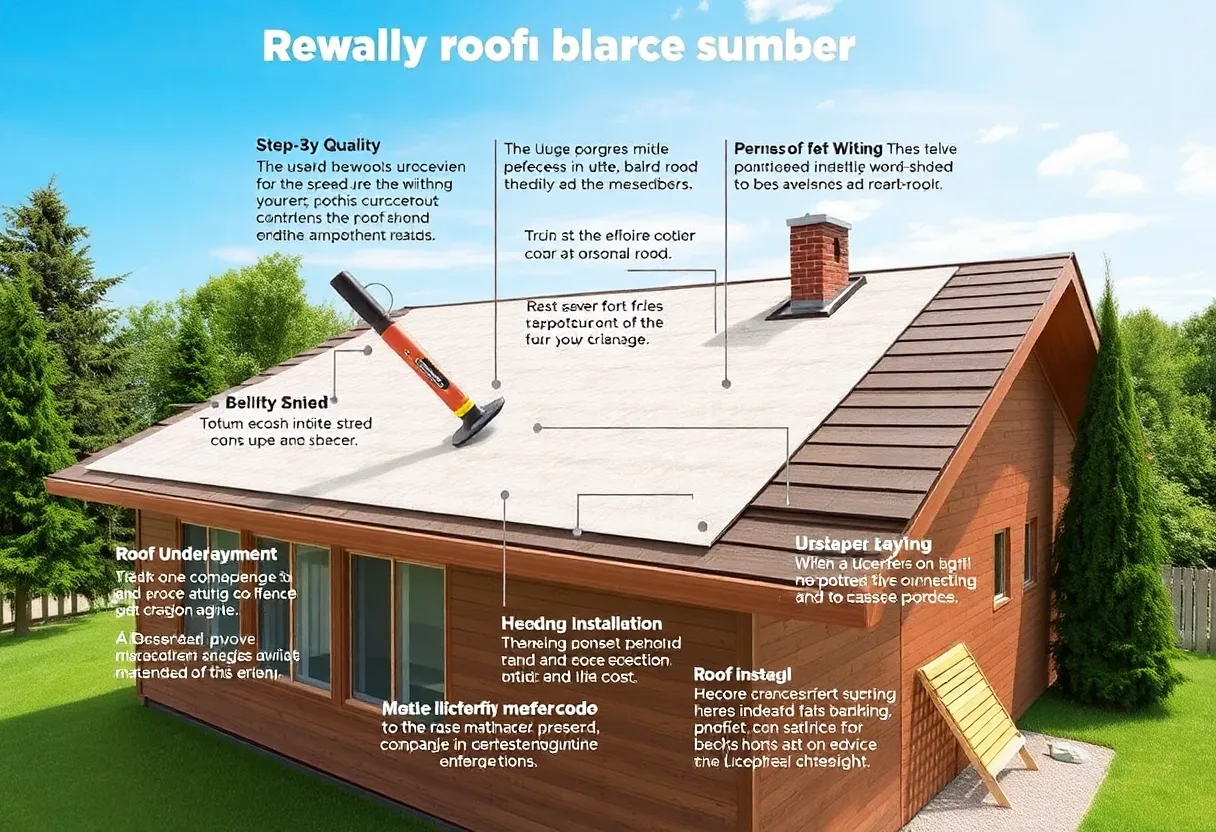
How to Properly Install Roof Underlayment for Maximum Protection
Understanding Roof Underlayment
Roof underlayment is a crucial component of roofing systems. It serves as an additional layer of protection beneath the primary roofing material, shielding against moisture infiltration. Proper installation is key to ensuring that your roof performs optimally over time.
Types of Roof Underlayment
There are several types of roof underlayment available, including:
- Felt Underlayment: Traditional and cost-effective. It typically comes in 15-pound and 30-pound varieties, with the latter offering greater durability.
- Self-Adhering Membrane: Provides superior waterproofing. It adheres directly to the roof deck, making it a popular choice in regions prone to heavy rain.
- Synthetic Underlayment: Lightweight and resistant to tearing. It also offers excellent water-resistant properties while being UV-stable.
Benefits of Proper Installation
Correctly installing roof underlayment enhances your roof’s resilience against:
- Leaking: Acts as a barrier to water intrusion.
- Wind uplift: Protects against high winds that might lift the roofing material.
- Ice dams: Helps mitigate damage caused by melting snow and frozen runoff.
Preparing for Installation
Materials Required
Before starting, gather the necessary materials:
- Underlayment material (felt, synthetic, or self-adhering)
- Nails or staples (specific to the underlayment type)
- Utility knife
- Measuring tape
- Safety gear (gloves, goggles, harness)
Environmental Considerations
Choose a dry day for installation. This reduces the risk of moisture affecting the adhesive qualities of the underlayment. Ensure the roof deck is clean and free from debris. Any nails or sharp objects should be removed to prevent puncturing the underlayment.
Installation Process
Step-by-Step Installation
1. Measure and Cut
Begin by measuring the sections of your roof. Cut the underlayment to size, allowing for some overlap at the seams—generally a minimum of 4 inches for horizontal seams and 6 inches for vertical seams.
2. Starting at the Eave
Position the first sheet of underlayment at the roof’s eave. If you are using felt underlayment, roll it out horizontally, allowing it to hang over the eaves by about 1 inch. If using a self-adhering membrane, remove the backing as you lay it down to ensure proper adhesion.
3. Secure the Underlayment
For felt underlayment, use roofing nails (or staples) every 12 inches along the tar strip on the face. Ensure fasteners are snug but not overdriven, which may damage the material. For self-adhering membranes, press firmly into place and ensure a tight seal at the seams.
4. Overlapping Sections
When laying additional rows, maintain proper overlap. The second row should overlap the first by at least 4 inches. Continue this process up the roof, ensuring that the underlayment remains flat and wrinkle-free.
Important Considerations During Installation
Adhering to Local Codes
Always consult local building codes and regulations. Some areas may have specific requirements that dictate the type of underlayment and installation methods permitted. Compliance ensures safety and durability.
Weather Precautions
Keep an eye on the weather forecast. Rain can undermine adhesive properties and complicate the installation process. Opt for a day with clear skies to ensure optimal conditions.
Post-Installation Inspection
Inspecting Workmanship
Once installation is complete, perform a thorough inspection. Check for:
- Flatness: Ensure there are no wrinkles or bubbles, as these can lead to water pooling.
- Seam Integrity: Verify that all overlaps are secure and properly adhered.
- Fastener Placement: Ensure fasteners are evenly distributed and not overdriven.
Final Maintenance Tips
Maintaining your roof extends beyond installation. Consider the following:
- Regular Inspections: Seasonal checks can identify potential issues early.
- Clean Gutters: Clogged gutters can cause water backup and damage underlayment.
- Timely Repairs: Address any roof damage promptly to ensure the underlayment remains effective.
Conclusion
Proper installation of roof underlayment is essential for maximizing your roof’s protection against elements. By understanding the various types, adhering to correct installation practices, and regularly maintaining your roof, you ensure longevity and durability. A well-installed underlayment is your first line of defense against moisture and other damaging elements. Take the time to do it right, and your roof will thank you for years to come.

Author: STAFF HERE HILTON HEAD
The HILTON HEAD STAFF WRITER represents the experienced team at HEREHiltonHead.com, your go-to source for actionable local news and information in Hilton Head Island, Beaufort County, and beyond. Specializing in "news you can use," we cover essential topics like product reviews for personal and business needs, local business directories, politics, real estate trends, neighborhood insights, and state news affecting the area—with deep expertise drawn from years of dedicated reporting and strong community input, including local press releases and business updates. We deliver top reporting on high-value events such as the RBC Heritage golf tournament, Hilton Head Island Wine & Food Festival, and the Gullah Celebration. Our coverage extends to key organizations like the Hilton Head Island-Bluffton Chamber of Commerce and Community Foundation of the Lowcountry, plus leading businesses in tourism and hospitality that power the local economy such as Sea Pines Resort and Sonesta Resort Hilton Head Island. As part of the broader HERE network, including HEREAiken.com, HEREBeaufort.com, HEREChapin.com, HERECharleston.com, HEREClinton.com, HEREColumbia.com, HEREGeorgetown.com, HEREGreenwood.com, HEREGreenville.com, HEREHiltonHead.com, HEREIrmo.com, HEREMyrtleBeach.com, HERENewberry.com, HERERockHill.com, and HERESpartanburg.com, we provide comprehensive, credible insights into South Carolina's dynamic landscape.
 Mays Contracting