
How to Choose the Right Roof Design for Climate Resilience: Essential Tips for Homeowners
In an era of increasing climate variability and extreme weather patterns, selecting the appropriate roof design is more critical than ever. A roof not only protects your home from the elements but also enhances energy efficiency, durability, and overall structural integrity. This article provides essential tips for homeowners aiming to make informed decisions regarding roof design for climate resilience.
Understanding Climate Resilience
Climate resilience refers to the ability of a building and its infrastructure to withstand, adapt to, and recover from climatic stressors such as heavy rain, snow, wind, and extreme temperatures. Choosing the right roof design plays a pivotal role in achieving this resilience.
Key Factors to Consider in Roof Design
1. Local Climate Conditions
Every geographical area has its own set of climate challenges. Before selecting a roof design, homeowners should consider the following:
- Precipitation Levels: Areas with heavy rainfall may benefit from steep, sloped roofs that facilitate efficient water drainage.
- Snow Load: Regions prone to heavy snowfall require roofs designed to support additional weight, potentially using stronger materials and a slope suitable for snow shed.
- Wind Resistance: High winds demand roofing systems that can endure gale-force conditions. Low-profile roofs are typically more resilient against wind uplift.
- Temperature Extremes: Locations subject to scorching temperatures or freezing cold necessitate roofing materials that provide insulation and UV protection.
2. Roofing Materials
The choice of roofing material greatly influences climate resilience. Various materials have distinct characteristics:
- Metal Roofing: Known for its durability, metal roofs are highly resistant to wind and fire, making them ideal for many climates.
- Slate and Tile: These materials offer incredible longevity and are very effective at repelling water, though they can be heavy and require a robust structure.
- Asphalt Shingles: While more affordable, homeowners should opt for high-quality, impact-rated shingles to enhance resilience, especially in severe weather zones.
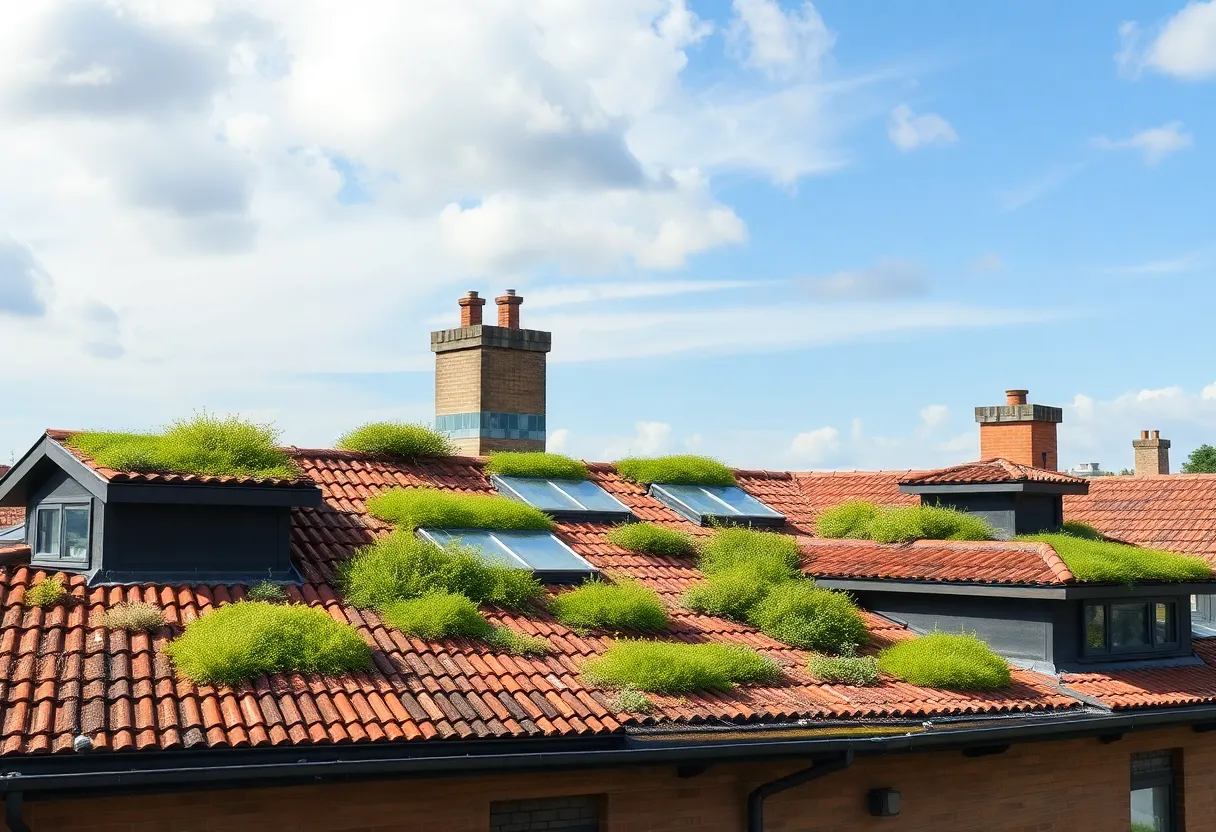
- Green Roofs: These living roofs provide insulation, absorb rainwater, and reduce urban heat, but they require specific structural considerations.
3. Roof Shape and Design
The architectural style and shape of the roof also contribute to the building’s resilience:
- Gable Roofs: These are efficient at shedding water and snow, making them suitable for areas with heavy precipitation.
- Flat Roofs: Often used in commercial buildings and arid environments, flat roofs require careful drainage considerations to prevent water pooling.
- Hip Roofs: Their gentle slopes and sturdy structure provide enhanced wind resistance compared to gable roofs.
4. Insulation and Ventilation
The interaction between insulation and ventilation significantly impacts a roof’s climate resilience:
- Insulation: Proper insulation keeps homes warm in winter and cool in summer, reducing the load on heating and cooling systems.
- Ventilation: Adequate ventilation helps prevent moisture accumulation, which can lead to mold and structural damage. Ensure ventilation methods align with local climate needs.
Tips for Homeowners
Conduct a Climate Assessment
Understanding the specific climate challenges of your area is the first step in selecting an appropriate roof design. Consider hiring a local expert to conduct a climate assessment.
Consult Local Building Codes
Always check local building regulations and codes. Some areas may have specific requirements for roofing materials or designs based on climate risks like hurricanes or snow loads.
Evaluate Energy Efficiency
Energy-efficient roofing options can reduce utility costs and contribute to comfort. Reflective roofing materials can help in warmer climates by reducing heat absorption.
Seek Professional Guidance
Engaging with roofing professionals or architects experienced in climate resilience can provide insights tailored to your home’s needs.
Consider Future Climate Scenarios
As climate changes, it’s essential to consider future weather patterns. Investing in a durable roof that anticipates long-term changes can save money and resources over time.
Case Studies: Successful Climate Resilient Roof Designs
1. Coastal Homes in Hurricane-Prone Areas
Coastal areas face threats from saltwater, high winds, and heavy storms. Many homeowners have opted for metal roofing systems due to their light weight and wind resistance. The use of minimal overhangs reduces the risk of wind damage, while proper insulation helps mitigate heat during summer months.
2. Snow Country Cottages
In regions with heavy snowfall, cottages have been designed with steep-pitch roofs. The design allows snowfall to slide off easily, thereby preventing excessive weight and damage. Combined with durable roofing materials like slate, these structures have shown excellent longevity.
Conclusion
Choosing the right roof design for climate resilience involves understanding local climate conditions, selecting appropriate materials, and ensuring proper insulation and ventilation. Homeowners should conduct a thorough assessment to choose a roof that not only stands the test of time but also offers protection against future climate challenges. By considering these essential aspects, homeowners can significantly enhance the resilience of their roofs and prolong the life of their homes.

Author: STAFF HERE HILTON HEAD
The HILTON HEAD STAFF WRITER represents the experienced team at HEREHiltonHead.com, your go-to source for actionable local news and information in Hilton Head Island, Beaufort County, and beyond. Specializing in "news you can use," we cover essential topics like product reviews for personal and business needs, local business directories, politics, real estate trends, neighborhood insights, and state news affecting the area—with deep expertise drawn from years of dedicated reporting and strong community input, including local press releases and business updates. We deliver top reporting on high-value events such as the RBC Heritage golf tournament, Hilton Head Island Wine & Food Festival, and the Gullah Celebration. Our coverage extends to key organizations like the Hilton Head Island-Bluffton Chamber of Commerce and Community Foundation of the Lowcountry, plus leading businesses in tourism and hospitality that power the local economy such as Sea Pines Resort and Sonesta Resort Hilton Head Island. As part of the broader HERE network, including HEREAiken.com, HEREBeaufort.com, HEREChapin.com, HERECharleston.com, HEREClinton.com, HEREColumbia.com, HEREGeorgetown.com, HEREGreenwood.com, HEREGreenville.com, HEREHiltonHead.com, HEREIrmo.com, HEREMyrtleBeach.com, HERENewberry.com, HERERockHill.com, and HERESpartanburg.com, we provide comprehensive, credible insights into South Carolina's dynamic landscape.
 Mays Contracting