

What Are the Best Practices for DIY Roof Drainage Solutions?
Effective roof drainage is crucial for maintaining the integrity of your structure. Without proper drainage systems, roofs can suffer from water pooling, leading to leaks, mold, and even structural damage. This article outlines essential practices to consider when developing DIY roof drainage solutions.
Understanding Roof Drainage
Before delving into solutions, it is essential to grasp the basics of roof drainage. Roof drainage involves directing rain and melted snow off the roof and away from the building. A well-designed drainage system helps to prevent various complications, including:
- Water pooling
- Ice dams
- Structural damage
- Mold growth
Assessing Your Roof Type
Different roof types require tailored drainage approaches. Understanding the characteristics of your roof is vital. Below are common roof designs:
Flat Roofs
Flat roofs often use internal drainage systems, such as:
- Scuppers
- Drains
- Leader pipes
Internal drainage systems are designed to funnel water to a designated exit point, preventing ponding.
Pitched Roofs
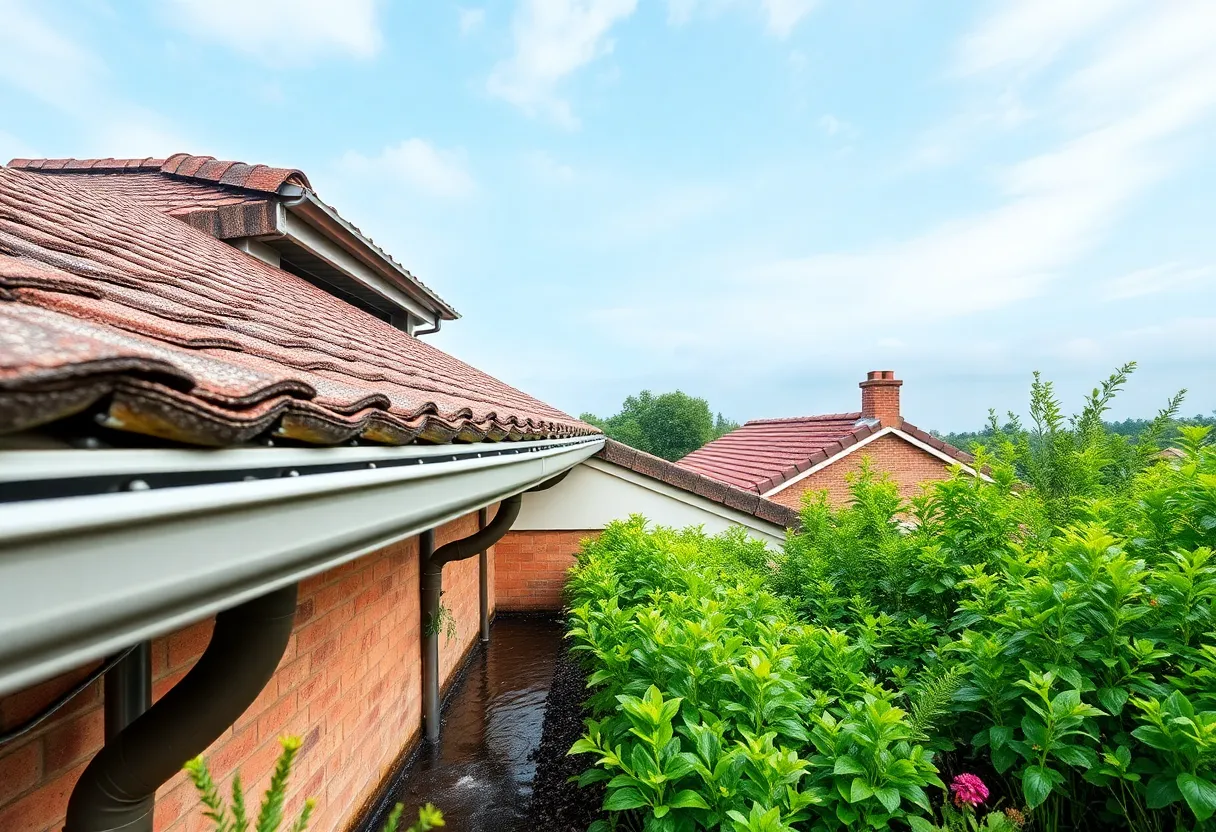
Pitched roofs typically rely on gravity to direct water to gutters that lead runoff away from the foundation. Proper sloping is crucial to ensure efficient flow.
Best Practices for DIY Roof Drainage Solutions
1. Conduct a Roof Inspection
An initial inspection is crucial to identify any existing damage and evaluate the current drainage systems. Check for:
- Clogged gutters
- Debris accumulation
- Cracks or deformities in the roofing material
2. Choose the Right Drainage System
Consider the roof type to select an appropriate drainage mechanism:
- For flat roofs, employ a combination of drains, scuppers, and overflow drains.
- For pitched roofs, ensure that gutters are correctly installed and adequately sized to handle expected rainfall.
3. Install Gutters and Downspouts Correctly
Gutters should be appropriately pitched toward downspouts to facilitate effective drainage. A common recommendation is a drop of 1/4 inch per 10 feet. Additionally, downspouts should direct water away from the foundation to prevent erosion and other water-related issues.
4. Regular Maintenance
Maintenance is key to the longevity of any drainage system. Conduct routine inspections and perform upkeep every season:
- Clear debris from gutters and downspouts.
- Inspect seals and joints for leaks.
- Test drainage efficiency during significant rainfall.
5. Use Quality Materials
Invest in durable materials that can withstand environmental conditions. Galvanized steel and high-quality PVC are excellent choices for gutters and downspouts. These materials offer longevity and resistance to rust and corrosion.
6. Implement Green Solutions
If possible, consider eco-conscious drainage solutions such as:
- Rain gardens: Designated areas planted with water-loving plants that soak up excess rainwater.
- Permeable pavers: These allow water to seep through and reduce surface runoff.
- Green roofs: Vegetation planted on roofs can absorb rainwater and lower heat absorption.
Understanding Local Regulations
Before engaging in DIY drainage projects, familiarize yourself with local regulations. Many municipalities have specific requirements for drainage systems, including:
- Permitting processes
- Building codes
- Environmental regulations
Failing to comply with these regulations can lead to fines or legal complications. Always check for required permits for significant renovations.
Common Pitfalls to Avoid
When undertaking DIY roof drainage projects, it is essential to avoid common mistakes that can lead to complications:
- Overlooking roof pitch: Insufficient pitch can lead to stagnant water.
- Ignoring existing issues: Repairs should precede upgrades. Address roof damage before enhancing drainage.
- Underestimating drainage capacity: Ensure that your system can handle peak rainfall conditions.
Conclusion
Establishing an effective DIY roof drainage solution involves a structured approach. By understanding your roof type, assessing existing conditions, choosing appropriate drainage systems, conducting regular maintenance, and adhering to local regulations, you can create a reliable drainage system. Avoiding common pitfalls further solidifies the success of your DIY project. Following these best practices will help safeguard your home from water damage, ensuring long-term durability and peace of mind.

Author: STAFF HERE HILTON HEAD
The HILTON HEAD STAFF WRITER represents the experienced team at HEREHiltonHead.com, your go-to source for actionable local news and information in Hilton Head Island, Beaufort County, and beyond. Specializing in "news you can use," we cover essential topics like product reviews for personal and business needs, local business directories, politics, real estate trends, neighborhood insights, and state news affecting the area—with deep expertise drawn from years of dedicated reporting and strong community input, including local press releases and business updates. We deliver top reporting on high-value events such as the RBC Heritage golf tournament, Hilton Head Island Wine & Food Festival, and the Gullah Celebration. Our coverage extends to key organizations like the Hilton Head Island-Bluffton Chamber of Commerce and Community Foundation of the Lowcountry, plus leading businesses in tourism and hospitality that power the local economy such as Sea Pines Resort and Sonesta Resort Hilton Head Island. As part of the broader HERE network, including HEREAiken.com, HEREBeaufort.com, HEREChapin.com, HERECharleston.com, HEREClinton.com, HEREColumbia.com, HEREGeorgetown.com, HEREGreenwood.com, HEREGreenville.com, HEREHiltonHead.com, HEREIrmo.com, HEREMyrtleBeach.com, HERENewberry.com, HERERockHill.com, and HERESpartanburg.com, we provide comprehensive, credible insights into South Carolina's dynamic landscape.
 Mays Contracting