
How Do I Choose the Right Roof Pitch for My Home’s Design and Functionality?
Choosing the right roof pitch is a critical decision in home design. The roof pitch influences not only the aesthetic appeal of the house but also its functionality and performance. Understanding the various factors that come into play will lead to a satisfactory choice. Below we analyze the elements to consider when selecting an appropriate roof pitch.
Understanding Roof Pitch
Roof pitch refers to the steepness or angle of the roof, typically measured as a ratio. For example, a pitch of 4:12 means the roof rises 4 inches for every 12 inches horizontally. Roof pitch affects various aspects of a home:
- Aesthetics
- Water drainage
- Energy efficiency
- Material selection
Factors Influencing Roof Pitch Selection
1. Architectural Style
Different architectural styles call for specific roof pitches. For instance:
- Traditional homes often feature steep roofs to allow for better snow shedding.
- Modern designs may utilize low-sloped roofs for a sleek appearance.
The chosen roof pitch should complement the overall design of the house. Aligning the roof’s steepness with the architectural style increases visual harmony.
2. Climate Considerations
The local climate plays a pivotal role in determining roof pitch:
- Snow Load: In areas prone to heavy snowfall, a steeper pitch helps prevent snow accumulation.
- Rainfall: Homes in rainy regions benefit from steeper roofs to facilitate quicker drainage.
- Wind Factors: High-wind zones may require more aerodynamic pitches to withstand gusts.
3. Material Compatibility
The choice of roofing material can also dictate the ideal pitch:
- Asphalt Shingles: Typically require a minimum pitch of 2:12 for proper water runoff.
- Metal Roofing: Can be installed on lower pitches, often as low as 1:12.
- Slate or Tile: Generally, a steeper pitch is preferred to ensure durability.
Selecting materials that are compatible with your chosen pitch enhances roof longevity.
4. Building Codes and Regulations
Before settling on a roof pitch, it’s crucial to consult local building codes. Many jurisdictions have minimum slope requirements for specific materials or design styles. Non-compliance can lead to legal complications and increased costs.
5. Energy Efficiency
A well-chosen roof pitch contributes to a home’s overall energy efficiency. Steeper roofs can result in improved ventilation in the attic, reducing the need for additional cooling systems in warmer climates. Conversely, a low-slope roof can aid in the installation of energy-efficient solar panels.
Implications of Roof Pitch on Functionality
1. Ventilation and Insulation
Effective ventilation systems are critical to maintaining a healthy home environment. The pitch of the roof influences how air flows within the attic space:
- Steeper roofs tend to have better airflow, aiding in temperature regulation.
- Low-pitch roofs may require mechanical ventilation to prevent humidity buildup.
2. Space Utilization
A higher roof pitch often creates additional usable space. This is particularly beneficial in homes with attics:
- An attic space with a steep pitch can be transformed into a livable area.
- Low-pitch roofs typically lead to constrained usable space under the roof.
Maintaining Aesthetic Appeal
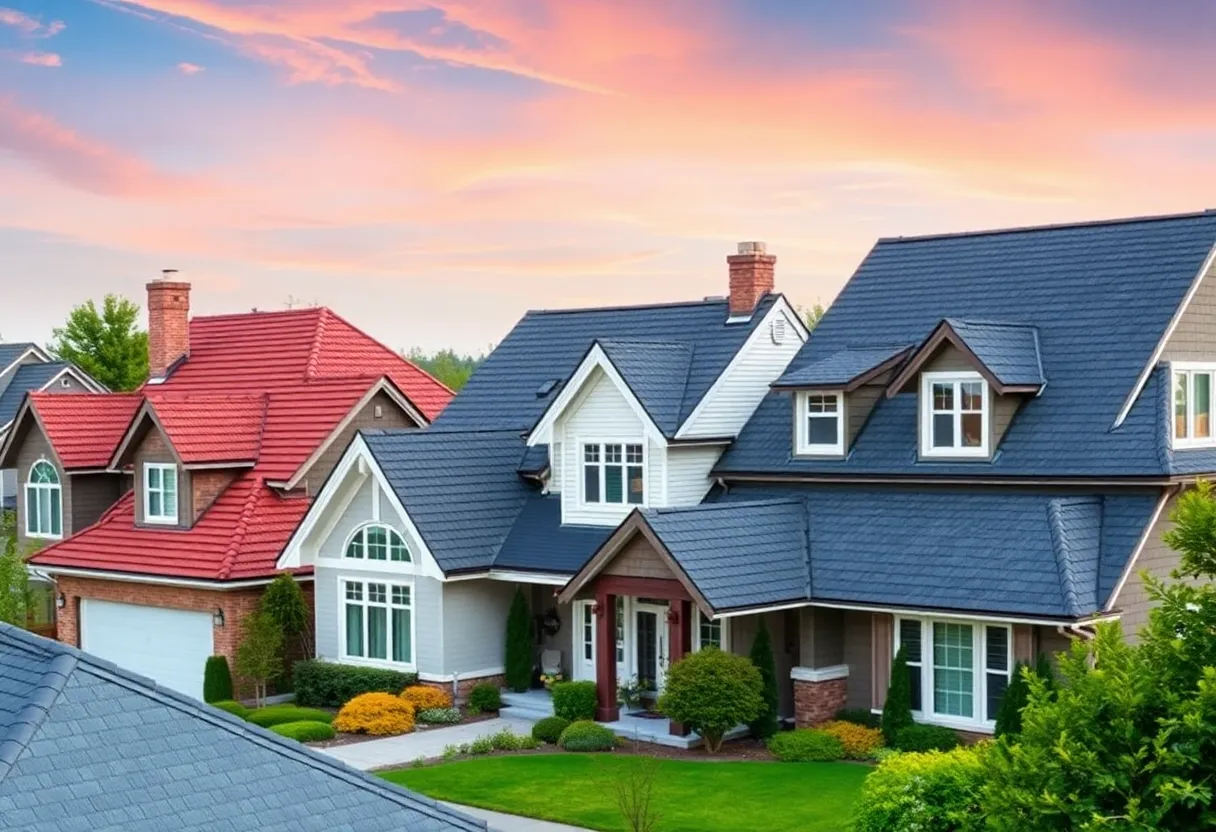
Your roof’s pitch contributes significantly to the visual aesthetics of your home. It enhances architectural lines and can even impact street appeal. A well-proportioned roof adds to the overall charm of a home, while a misaligned pitch may detract from it.
Balancing Functionality and Design
1. Cost Considerations
Roof pitch ultimately affects construction and maintenance costs. Steeper roofs typically require more materials and skilled labor:
- Labor Intensity: Steeper pitches often require additional safety measures during installation.
- Material Costs: This can fluctuate based on the chosen roofing material and its compatibility with various pitches.
2. Long-term Performance
A suitable roof pitch can enhance durability and performance:
- Proper drainage and ventilation minimize the risks of water damage and mold.
- Structural integrity is often improved in steeper roofs, especially in challenging weather conditions.
Conclusion
Choosing the right roof pitch is a multifaceted decision that combines design, functionality, and local environmental factors. Understanding the interplay between these elements leads to a successful roof design that enhances a home’s aesthetic appeal while providing long-term functionality. Prioritize compliance with local regulations and consult a qualified architect or contractor to ensure an effective choice.

Author: STAFF HERE HILTON HEAD
The HILTON HEAD STAFF WRITER represents the experienced team at HEREHiltonHead.com, your go-to source for actionable local news and information in Hilton Head Island, Beaufort County, and beyond. Specializing in "news you can use," we cover essential topics like product reviews for personal and business needs, local business directories, politics, real estate trends, neighborhood insights, and state news affecting the area—with deep expertise drawn from years of dedicated reporting and strong community input, including local press releases and business updates. We deliver top reporting on high-value events such as the RBC Heritage golf tournament, Hilton Head Island Wine & Food Festival, and the Gullah Celebration. Our coverage extends to key organizations like the Hilton Head Island-Bluffton Chamber of Commerce and Community Foundation of the Lowcountry, plus leading businesses in tourism and hospitality that power the local economy such as Sea Pines Resort and Sonesta Resort Hilton Head Island. As part of the broader HERE network, including HEREAiken.com, HEREBeaufort.com, HEREChapin.com, HERECharleston.com, HEREClinton.com, HEREColumbia.com, HEREGeorgetown.com, HEREGreenwood.com, HEREGreenville.com, HEREHiltonHead.com, HEREIrmo.com, HEREMyrtleBeach.com, HERENewberry.com, HERERockHill.com, and HERESpartanburg.com, we provide comprehensive, credible insights into South Carolina's dynamic landscape.
 Mays Contracting