

How to Identify and Fix Poor Roof Ventilation: A DIY Guide for Homeowners
Proper roof ventilation is crucial for maintaining the longevity and performance of your home. When roof ventilation is inadequate, it can lead to numerous problems, including heat buildup, moisture accumulation, and structural damage. Identifying poor ventilation is essential for any homeowner, and taking action to correct it can save time, money, and headaches down the road. This guide will provide you with a comprehensive overview on how to identify and fix poor roof ventilation.
Understanding Roof Ventilation
To address ventilation issues, it is important to first understand what roof ventilation involves. Roof ventilation works by allowing fresh air into the attic space while letting moisture-laden air escape. This process helps regulate temperature and humidity levels, which is essential in areas prone to extreme weather conditions.
The Basics of Roof Ventilation
Effective roof ventilation relies on two primary systems:
- Intake Ventilation: Typically located at eaves or soffits, intake vents draw in fresh, cooler air.
- Exhaust Ventilation: Found at or near the roof ridge, these vents expel hot, stale air from the attic.
Both systems must work in tandem for optimal performance. The balance between these two types of ventilation is key. Too much or too little ventilation can lead to various roofing problems.
Signs of Poor Roof Ventilation
Identifying poor roof ventilation is the first step toward addressing the issue. Homeowners should look for specific signs that indicate a ventilation problem.
High Energy Bills
If your energy bills are rising without a clear reason, it may be due to inadequate ventilation. Poor air circulation can cause your HVAC system to work harder, leading to increased energy consumption.
Ice Dams
In colder climates, improper ventilation can cause heat to escape from the attic, melting snow on the roof. As this water runs down and refreezes, it forms ice dams, which can lead to leaks and water damage.
Condensation and Moisture
Look for condensation on windows or moisture spots on ceilings and walls. This can indicate high humidity levels due to insufficient airflow in the attic.
Mold Growth
If you discover visible mold or mildew in your attic or roof space, this is a strong sign of poor ventilation. Mold thrives in moist environments, and stagnant air fosters these conditions.
Your Roof Composition
Some roofing materials, like asphalt shingles, can deteriorate faster in the absence of proper ventilation. Look for curling or blistering shingles as potential indicators.
Steps to Fix Poor Roof Ventilation
Once you have identified signs of poor roof ventilation, the next step is to remedy the situation. Below are actionable steps you can take.
Step 1: Assess Your Current Ventilation
The first action is to inspect your roof. Look for existing vents, their condition, and their effectiveness. Check both the intake and exhaust sides of your ventilation system. Ensure that there are no obstructions like insulation, debris, or even bird nests, which can impede airflow.
Step 2: Increase Intake Vents
If your attic lacks sufficient intake vents, you might consider adding more. Install continuous soffit vents or gable vents to allow fresh air to enter. Consult your local building codes to ensure compliance.
Step 3: Upgrade Exhaust Vents
Depending on your current structure, upgrading exhaust vents can significantly enhance overall ventilation. Ridge vents and powered attic ventilators offer increased airflow to expel warm air effectively.
Step 4: Use Baffles
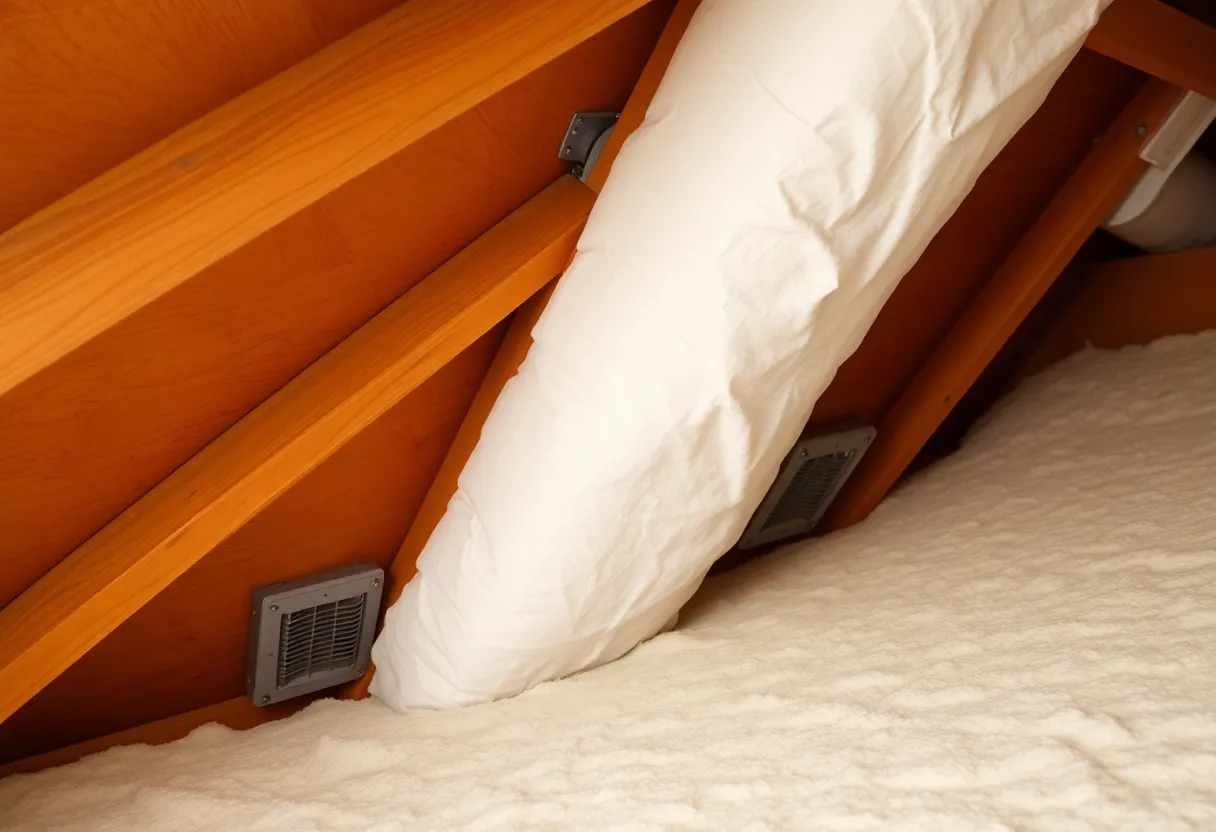
Installing baffles can prevent insulation from blocking airflow from intake vents. These small, plastic or cardboard structures create a barrier that directs air from the soffit vents into the attic space.
Step 5: Insulate the Attic Properly
Good insulation is essential for maintaining temperature and humidity levels. Ensure that insulation is evenly distributed and not blocking ventilation pathways. The recommended R-value for attic insulation typically ranges from R-30 to R-60, depending on your climate zone.
Step 6: Create a Balanced System
A balanced ventilation system is vital for effectiveness. Aim for a 1:150 ratio of ventilation area to attic floor space. This ensures that for every 150 square feet of attic space, there is one square foot of vent area split evenly between intake and exhaust.
Step 7: Regular Maintenance
Regular inspections and maintenance are indispensable for lasting ventilation performance. Monitor for any debris blocking your vents, and clear them as needed. If you have exhaust fans, ensure they are operating efficiently.
When to Seek Professional Help
Some situations may be too complex for a DIY approach. If you encounter significant structural damage or are unsure about how to proceed, consulting a roofing professional is advantageous. They can perform a comprehensive evaluation and recommend the best course of action.
Conclusion
Identifying and fixing poor roof ventilation is a vital maintenance task for homeowners. By following the steps outlined in this guide, you can ensure your home is well-ventilated, energy-efficient, and protected from potential damage. Regular assessments and proper ventilation management will help extend the lifespan of your roofing system, ultimately safeguarding your investment.
Don’t overlook roof ventilation—taking the right steps now will protect your home for years to come.

Author: STAFF HERE HILTON HEAD
The HILTON HEAD STAFF WRITER represents the experienced team at HEREHiltonHead.com, your go-to source for actionable local news and information in Hilton Head Island, Beaufort County, and beyond. Specializing in "news you can use," we cover essential topics like product reviews for personal and business needs, local business directories, politics, real estate trends, neighborhood insights, and state news affecting the area—with deep expertise drawn from years of dedicated reporting and strong community input, including local press releases and business updates. We deliver top reporting on high-value events such as the RBC Heritage golf tournament, Hilton Head Island Wine & Food Festival, and the Gullah Celebration. Our coverage extends to key organizations like the Hilton Head Island-Bluffton Chamber of Commerce and Community Foundation of the Lowcountry, plus leading businesses in tourism and hospitality that power the local economy such as Sea Pines Resort and Sonesta Resort Hilton Head Island. As part of the broader HERE network, including HEREAiken.com, HEREBeaufort.com, HEREChapin.com, HERECharleston.com, HEREClinton.com, HEREColumbia.com, HEREGeorgetown.com, HEREGreenwood.com, HEREGreenville.com, HEREHiltonHead.com, HEREIrmo.com, HEREMyrtleBeach.com, HERENewberry.com, HERERockHill.com, and HERESpartanburg.com, we provide comprehensive, credible insights into South Carolina's dynamic landscape.
 Mays Contracting