

How to Identify the Best Time for a DIY Roof Installation: Essential Tips for Homeowners
Installing a roof is a significant project that demands careful planning and precise timing. Homeowners often wonder when is the best time to undertake this substantial task. Understanding the factors that contribute to a successful DIY roof installation can help you determine the ideal timing for your project. This article outlines key considerations and essential tips for identifying the right moment for your roof installation.
Understanding Seasonal Impacts
Spring: A Fresh Start
Spring is widely considered one of the best times for DIY roofing work. The weather during this season typically features moderate temperatures and lower precipitation levels, creating ideal conditions for roofing projects. Here are some advantages of spring:
- Temperatures generally range from 50°F to 75°F, allowing materials to adhere properly.
- Less frequent rain lowers the risk of damage from unexpected downpours.
- Longer daylight hours provide ample time to work.
Summer: Heat Challenges
While summer offers long days perfect for DIY projects, it also comes with challenges:
- Intense heat can pose risks to both the installer and the materials used.
- Higher humidity levels may impact the performance of roofing materials.
However, summer may still be a good time, particularly in the early mornings or late afternoons when temperatures are cooler.
Autumn: Ideal Conditions
Autumn stands out as another optimal season for DIY roofing. As temperatures begin to cool, the weather typically remains dry. Benefits of roofing in autumn include:
- Stable weather patterns reduce the risk of rain or extreme conditions.
- Temperatures are generally favorable for both working conditions and material application.
Winter: Be Cautious
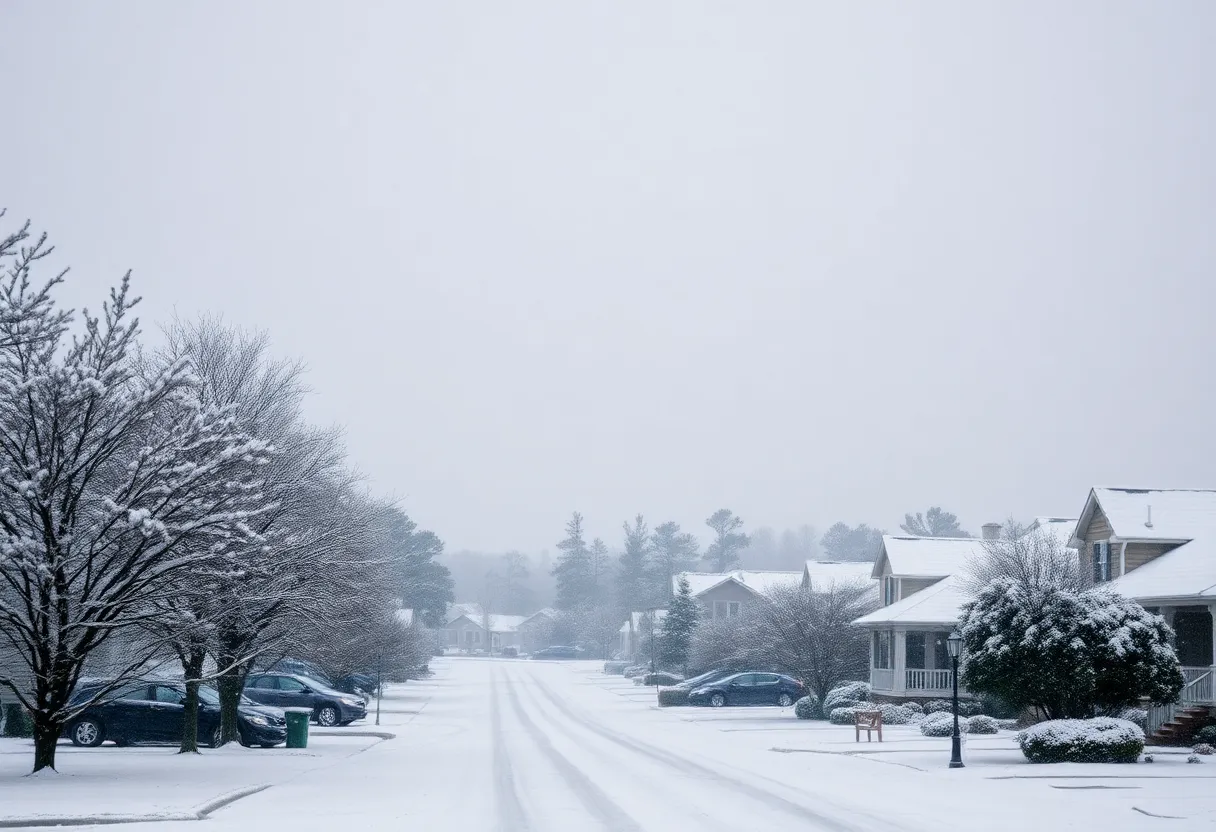
Winter is generally not recommended for roofing projects due to cold temperatures and the potential for snow or ice. Winter weather can:
- Compromise the integrity of roofing materials, leading to dangerous installations.
- Increase the risk of slips and falls for the installer.
However, if necessary, winter installations may be possible but require specific techniques and precautions.
Assessing Weather Conditions
Beyond seasonal considerations, understanding local weather trends is critical. Before embarking on your roofing project, it is essential to assess forecasted weather conditions. Key aspects to analyze include:
Precipitation
Excessive rainfall can lead to water damage during installation. Utilize local weather forecasts or historical data to determine the average precipitation levels in your area for your planned installation period.
Wind Velocity
Windy conditions can pose a safety risk and complicate the installation process. Avoid scheduling your project on days with sustained winds exceeding 15 mph. High winds can make it challenging to handle and secure roofing materials.
Temperature Extremes
Extreme temperatures can affect material performance. Materials such as adhesives and shingles have temperature tolerances. Check manufacturer guidelines to ensure conditions align with these recommendations.
Planning the Project Timeline
Timing your installation involves not just the right season or day, but also crafting a well-structured project timeline. Consider the following steps:
Preparation Phase
Prepare your home and gather your materials ahead of time. This includes:
- Inspecting your current roof and documenting any damage that requires attention.
- Purchasing the necessary materials and tools for a smooth installation.
- Obtaining any necessary permits or adhering to local building codes.
Execution Timeline
Once you have a clear preparation phase, establish a specific timeline for your installation. Consider breaking down the project into manageable sections. A realistic project may take several days, especially if you are new to DIY roofing.
Safety First
Regardless of the timing, safety should remain a priority. When determining the right time for a DIY roof installation, ensure that:
Weather Conditions are Favorable
As previously discussed, check wind and precipitation forecasts. Avoid working in adverse weather conditions to reduce injury risk.
Proper Gear is Used
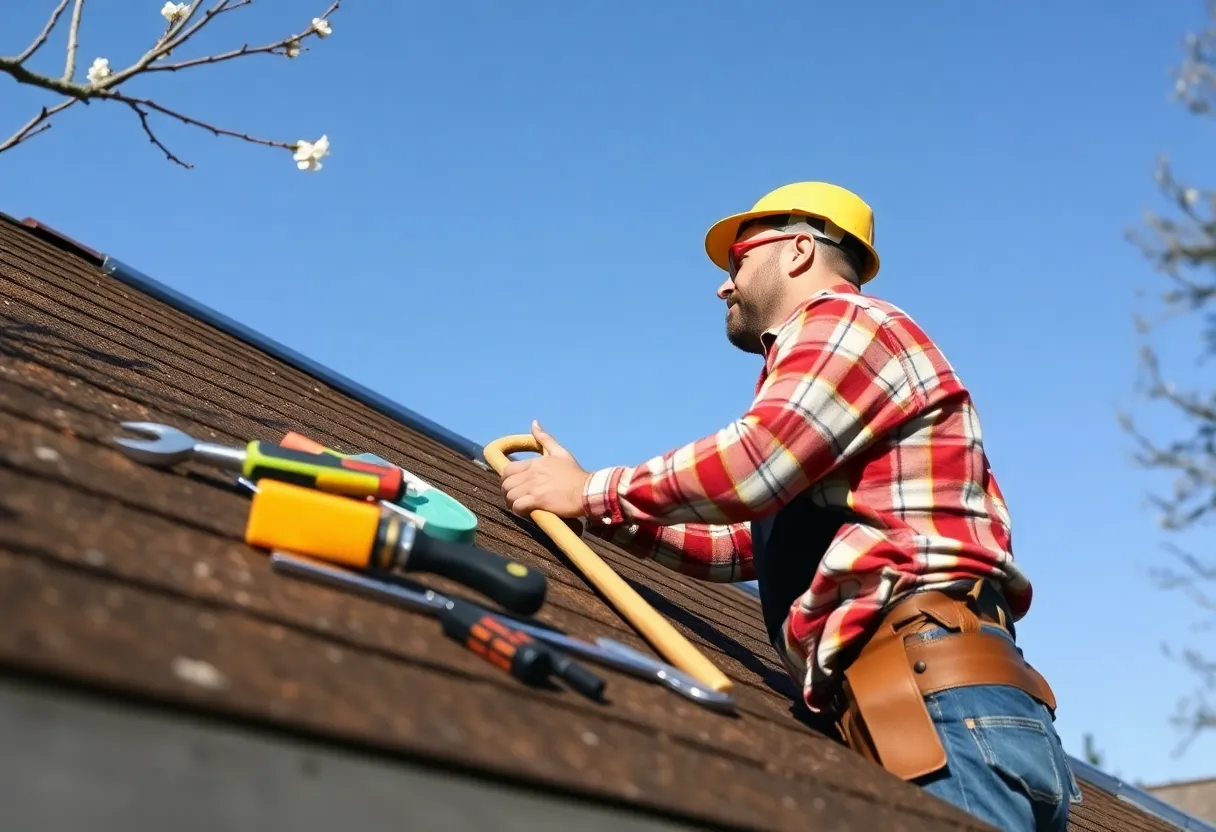
Safety gear, including hard hats, harnesses, and non-slip footwear, must always be worn during roofing projects.
Know Your Limitations
Consider your own skills and limitations. If you are new to roofing, it may be wise to recruit help from experienced friends or professionals. This can alleviate some common challenges and ensure a safer, more efficient installation process.
Conclusion: Timing is Key
Identifying the right time for a DIY roof installation requires careful consideration of seasonal conditions, weather patterns, project planning, and safety measures. Spring and autumn often present the best opportunities for a successful roofing project, while summer and winter come with their own sets of challenges. By remaining informed and prepared, homeowners can effectively determine the best timing for their DIY roof installation, minimizing risks and ensuring a durable, long-lasting roof.

Author: STAFF HERE HILTON HEAD
The HILTON HEAD STAFF WRITER represents the experienced team at HEREHiltonHead.com, your go-to source for actionable local news and information in Hilton Head Island, Beaufort County, and beyond. Specializing in "news you can use," we cover essential topics like product reviews for personal and business needs, local business directories, politics, real estate trends, neighborhood insights, and state news affecting the area—with deep expertise drawn from years of dedicated reporting and strong community input, including local press releases and business updates. We deliver top reporting on high-value events such as the RBC Heritage golf tournament, Hilton Head Island Wine & Food Festival, and the Gullah Celebration. Our coverage extends to key organizations like the Hilton Head Island-Bluffton Chamber of Commerce and Community Foundation of the Lowcountry, plus leading businesses in tourism and hospitality that power the local economy such as Sea Pines Resort and Sonesta Resort Hilton Head Island. As part of the broader HERE network, including HEREAiken.com, HEREBeaufort.com, HEREChapin.com, HERECharleston.com, HEREClinton.com, HEREColumbia.com, HEREGeorgetown.com, HEREGreenwood.com, HEREGreenville.com, HEREHiltonHead.com, HEREIrmo.com, HEREMyrtleBeach.com, HERENewberry.com, HERERockHill.com, and HERESpartanburg.com, we provide comprehensive, credible insights into South Carolina's dynamic landscape.
 Mays Contracting