

How to Choose the Best Roof Design for Optimal Rainwater Management
Effective rainwater management is crucial for maintaining the integrity of any structure. Choosing the right roof design directly influences how water is directed, collected, and utilized. This guide will help you navigate the various roof designs suitable for optimal rainwater management, focusing on functionality, materials, and construction techniques.
Understanding Rainwater Management
Rainwater management refers to the techniques and measures implemented to control and utilize rainwater in a sustainable manner. Poor management can lead to several issues, including:
- Structural damage due to water accumulation
- Mold and mildew growth
- Soil erosion
- Waterway pollution
To mitigate these risks, selecting a roof that effectively channels water is essential. Various factors, such as climate, local regulations, and available technology, should influence your choice.
Key Considerations for Roof Design
1. Climate Features
The local climate plays a critical role in roof design selection. Different materials and shapes perform variably under specific environmental conditions. For instance:
- Tropical regions: Require sloped roofs to quickly shed rainwater and minimize pooling.
- Snow-prone areas: Need steep roofs to prevent snow accumulation, which adds additional weight and potential structural stress.
- Dry climates: Can support flat roofs which allow for use of solar energy systems.
2. Roof Slope and Shape
The slope of a roof greatly affects rainwater runoff. A well-designed roof should facilitate rapid drainage. Consider the following shapes:
- Gable roofs: These have two sloping sides meeting at the top, allowing water to run off quickly.
- Hip roofs: Four sides slope toward the ground, offering increased stability and effective rain runoff.
- Flat roofs: While customizable, they require a sophisticated drainage system to prevent stagnation.
3. Material Selection
The roof material selected impacts both durability and water management efficiency. Some materials include:
- Metal roofing: Highly durable and promotes quick runoff due to its smooth surface.
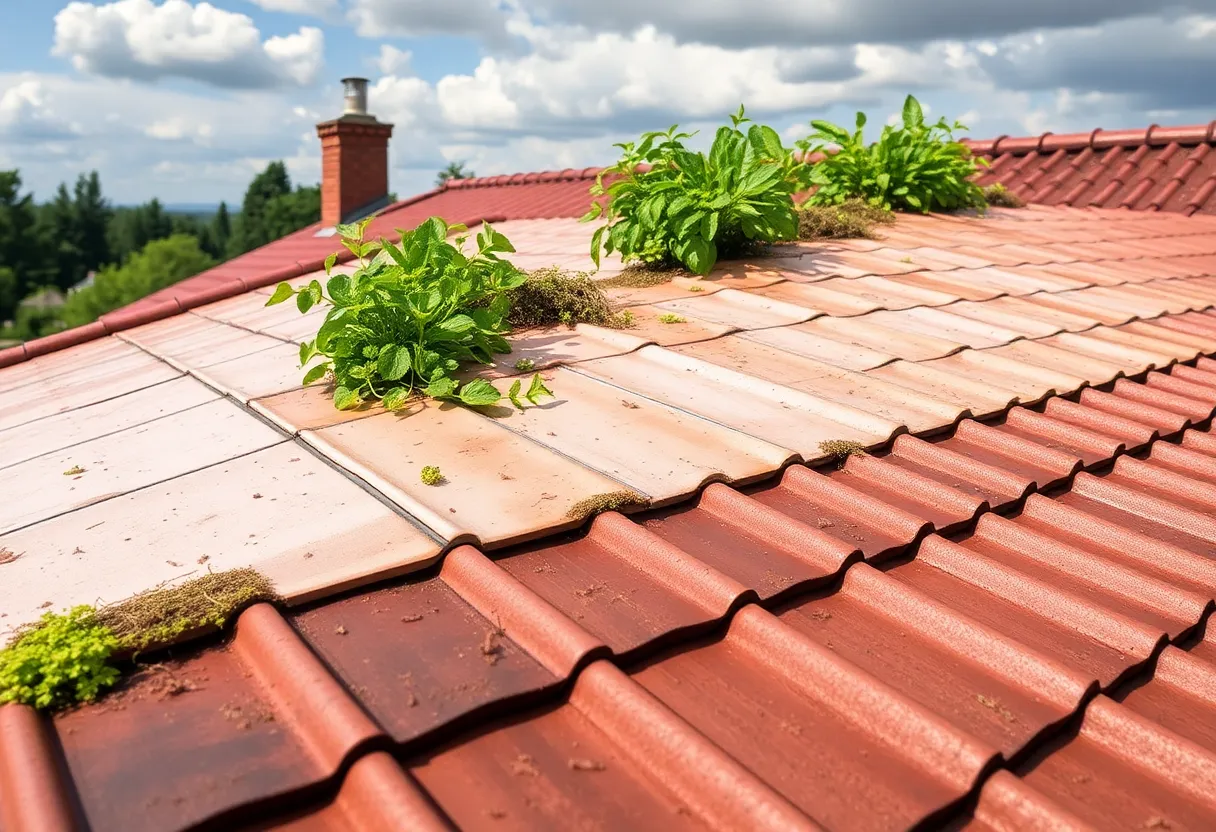
- Clay tiles: Attractive and effective, but heavier and requiring a robust support structure.
- Shingles: Versatile, affordable, but may require regular maintenance.
Integrating Rainwater Harvesting Systems
Incorporating rainwater harvesting systems in your roof design can enhance water management. This process involves:
- Collecting rainwater through gutters and downspouts.
- Storing rainwater in tanks for later use in irrigation, flushing toilets, etc.
Architectural Considerations for Rainwater Harvesting
Each architecture needs to be tailored for optimal performance in rainwater harvesting:
- Gutter systems should be appropriately sized based on your roof’s area and average rainfall.
- Downspouts must be placed strategically to prevent erosion at the foundation.
- First flush diverters can help filter out debris from the initial rain, providing cleaner water collection.
Regulatory Compliance
Always verify local building codes and regulations regarding roofing styles and rainwater harvesting systems. Many regions have specific guidelines that aim to promote sustainability and safety.
1. Permits and Inspections
Some complex roof designs may require building permits. It’s important to engage local authorities early in your planning process. Regular inspections can ensure compliance with local building codes.
2. Environmental Sustainability
Understanding local ecological requirements can also shape your design. In eco-sensitive areas, adhering to green building standards can enhance your roof’s performance while minimizing environmental impact.
Maintenance Strategies
A well-designed roof must also be maintained effectively to continue performing optimally:
- Regular inspections—Check for debris accumulation in gutters and downspouts.
- Cleaning gutters—Ensure clear pathways for rainwater.
- Prompt repairs—Address leaks or structural weaknesses immediately.
Case Studies: Successful Roof Designs for Rainwater Management
1. Urban Rooftop Gardens
Urban environments face unique challenges related to rainwater. Rooftop gardens not only enhance aesthetics but also improve stormwater management. They absorb water, reduce runoff, and can be made from innovative materials to resist drainage issues.
2. Green Roof Solutions
Green roofs use vegetation to absorb rainwater. They help cool buildings and provide insulation. These designs require a detailed understanding of plant selection and construction to thrive. Successful implementations demonstrate the benefits of sustainable living.
Conclusion
Choosing the right roof design for optimal rainwater management involves careful consideration of climate, slope, materials, and the possibility of harvesting water. Adhering to regulatory requirements and establishing consistent maintenance practices ensures the long-term efficacy of your chosen system. By prioritizing functionality and sustainability, you can achieve effective rainwater management while enhancing the longevity of your structure.

 Mays Contracting