


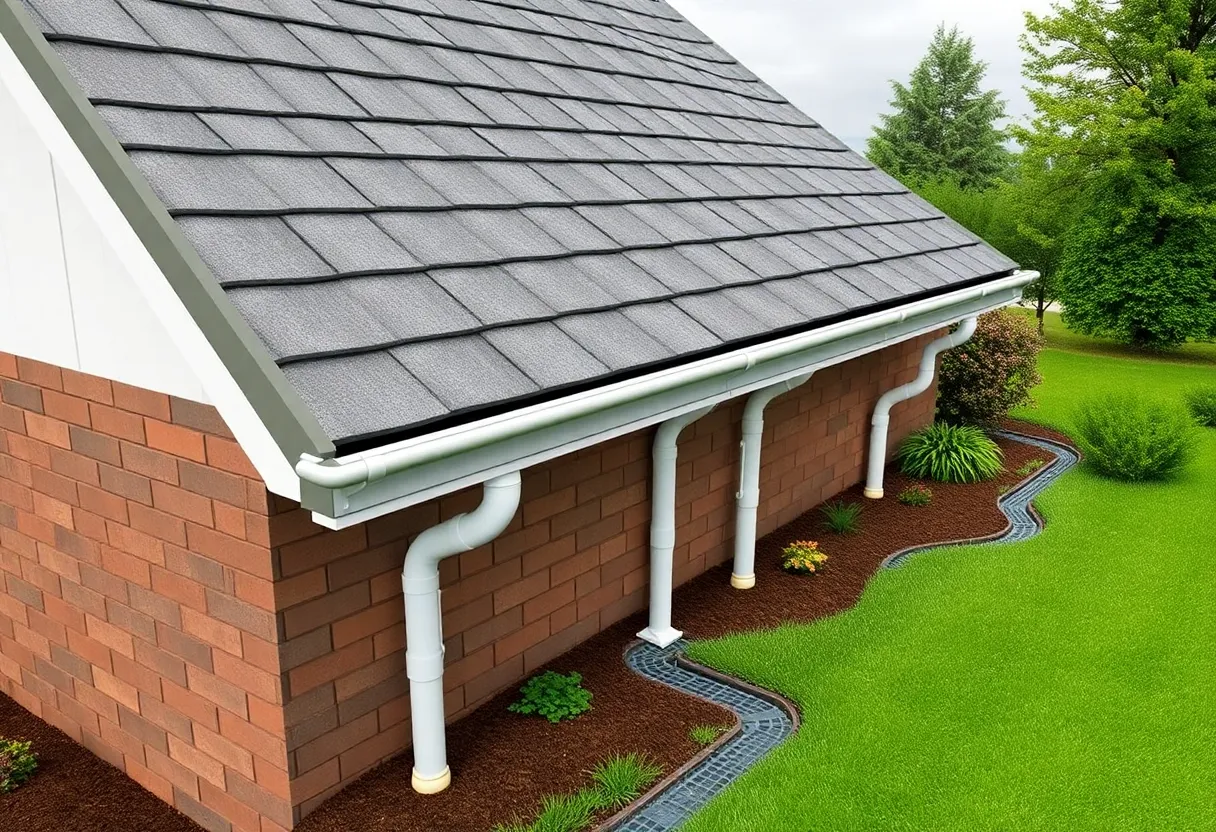
How to Create a DIY Roof Drainage System for Rainwater Management
Proper rainwater management is crucial in preventing water damage, flooding, and maintaining a healthy landscape. A well-designed DIY roof drainage system can effectively channel excess rainwater away from your property. This article outlines the process of creating your own roof drainage system, emphasizing the materials, steps, and best practices to achieve effective rainwater management.
Understanding Rainwater Management
Rainwater management involves controlling how rainwater interacts with your property. Effective systems prevent pooling and other issues that can damage structures and landscapes. A DIY roof drainage system plays a vital role in this process by directing rainwater from the roof to suitable drainage points.
Materials Needed
Before beginning your project, gather all the necessary materials. The following list includes items you’ll need to create a functional roof drainage system:
- Plastic or metal gutters
- Downspouts
- Drainage pipes (PVC recommended)
- Drainage gravel
- Landscape fabric
- Sealing clips and brackets
- Tools: drill, saw, measuring tape, and levels
Step-by-Step Creation of Your DIY Roof Drainage System
Step 1: Assess Your Roof
Begin by evaluating your roof type and size. Determine the total square footage to calculate how much rainwater your system must handle. A steeper roof may lead to faster runoff, requiring adequate drainage.
Step 2: Design the System
Your drainage system should effectively direct water away from the foundation. Design a layout incorporating gutters, downspouts, and drainage pipes. Utilize the following concepts in your design:
- Gutter positioning: Install gutters along the eaves for maximum water collection.
- Downspout placement: Position downspouts at corners and sides for even distribution.
- Drainage outlets: Ensure water exits either into a rain garden, storage tank, or storm drain.
Step 3: Installing the Gutters
To install gutters:
- Use a level to ensure even installation.
- Use brackets to secure gutters, maintaining a slight slope to direct water.
- Connect sections with sealing clips to prevent leaks.
Step 4: Attaching Downspouts
Downspouts work in conjunction with gutters. To install them:
- Connect them directly to the gutters.
- Ensure they guide water down and away from the foundation.
- Secure with brackets at intervals to support the weight of water.
Step 5: Creating Drainage Paths
Once the water reaches the ground from the downspouts, ensure it moves away effectively:
- Dig trenches for the drainage pipes, sloping away from structures.
- Line trenches with landscape fabric to prevent clogging.
- Place gravel in the bottom, followed by drainage pipes.
- Cover pipes with more landscape fabric and gravel.
Step 6: Establishing Exit Points
Designate areas where the drainage system releases water:
- Rain gardens can absorb excess water.
- Storage tanks can save rainwater for future use.
- Storm drains should be accessible if municipal services require them.
Step 7: Regular Maintenance
Like any system, regular upkeep is essential:
- Clear debris from gutters and downspouts regularly.
- Inspect drainage pipes for blockages.
- Check for leaks and make necessary repairs promptly.
Benefits of a DIY Roof Drainage System
A DIY roof drainage system offers several advantages:
- Cost-effectiveness: Building your own system is significantly less expensive than hiring professionals.
- Customizable: Tailor the design to your specific needs and landscape.
- Environmental benefits: Efficient drainage promotes water conservation and responsible runoff management.
Common Challenges and Solutions
Building a roof drainage system can present challenges. Here are common issues and potential solutions:
- Clogged gutters: Regular maintenance is key. Schedule seasonal cleanings.
- Improper drainage direction: Adjust slopes to ensure water flows correctly.
- Flooding around foundations: Increase drainage capacity by enlarging pipes or adding soakaways.
Conclusion
Creating a DIY roof drainage system is a rewarding project aimed at effective rainwater management. With proper planning, appropriate materials, and consistent maintenance, you can design a system that protects your home and enhances the landscape. Take the time to assess your needs and follow best practices for installation and upkeep, ensuring your drainage system serves its purpose effectively for years to come.

Author: STAFF HERE HILTON HEAD
The HILTON HEAD STAFF WRITER represents the experienced team at HEREHiltonHead.com, your go-to source for actionable local news and information in Hilton Head Island, Beaufort County, and beyond. Specializing in "news you can use," we cover essential topics like product reviews for personal and business needs, local business directories, politics, real estate trends, neighborhood insights, and state news affecting the area—with deep expertise drawn from years of dedicated reporting and strong community input, including local press releases and business updates. We deliver top reporting on high-value events such as the RBC Heritage golf tournament, Hilton Head Island Wine & Food Festival, and the Gullah Celebration. Our coverage extends to key organizations like the Hilton Head Island-Bluffton Chamber of Commerce and Community Foundation of the Lowcountry, plus leading businesses in tourism and hospitality that power the local economy such as Sea Pines Resort and Sonesta Resort Hilton Head Island. As part of the broader HERE network, including HEREAiken.com, HEREBeaufort.com, HEREChapin.com, HERECharleston.com, HEREClinton.com, HEREColumbia.com, HEREGeorgetown.com, HEREGreenwood.com, HEREGreenville.com, HEREHiltonHead.com, HEREIrmo.com, HEREMyrtleBeach.com, HERENewberry.com, HERERockHill.com, and HERESpartanburg.com, we provide comprehensive, credible insights into South Carolina's dynamic landscape.
 Mays Contracting