
Hilton Head, SC, February 11, 2026
A significant debate is ongoing in South Carolina regarding the regulation of intoxicating hemp products, weighing public safety against economic growth. As lawmakers discuss potential bans and regulations, local business owners and residents of Hilton Head are keenly aware of the implications these decisions may have on their economies and personal wellness. Safety concerns and the burgeoning hemp industry’s economic impact are at the heart of this complex discussion.
Hilton Head: Navigating South Carolina’s Hemp Debate – Innovation vs. Regulation
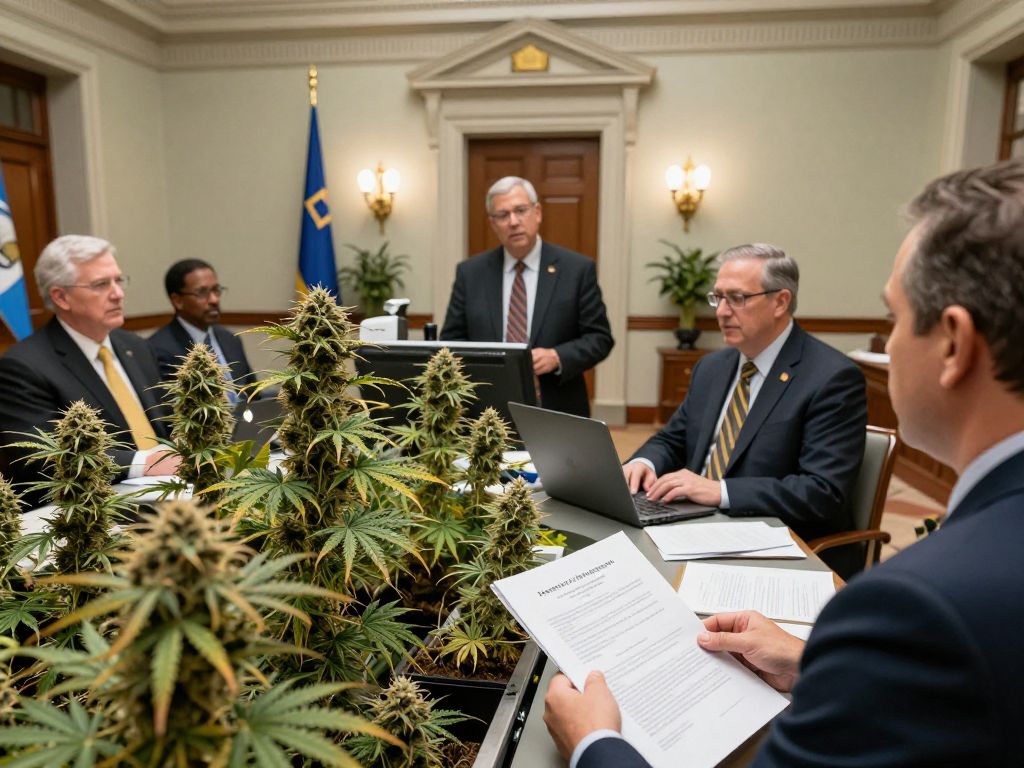
In South Carolina, a significant debate is unfolding concerning the future of intoxicating hemp products, balancing public safety with the needs of a growing industry and individual wellness. The discussion at the State House highlights the complexities of regulating an evolving market, bringing into focus themes of entrepreneurial innovation and the potential impacts of legislative decisions on small businesses and consumer choice across the state. This conversation is particularly relevant for Hilton Head SC business owners and residents, as the decisions made in Columbia will ripple through local economies and communities.
The burgeoning hemp industry, which emerged following federal and State-level legal frameworks, has allowed numerous South Carolina SC entrepreneurs to innovate and establish businesses. These ventures cater to a diverse consumer base, including individuals who report using hemp-derived products for various wellness needs. As lawmakers deliberate on new regulations, the delicate balance between fostering economic growth and ensuring public safety remains at the forefront of the discussion.
The Rise of the Hemp Industry and the Regulatory “Wild West”
The current landscape of hemp-derived products in South Carolina stems from the 2018 federal Farm Bill, which legalized industrial hemp containing no more than 0.3% delta-9 THC on a dry weight basis Nationwide. South Carolina subsequently aligned its laws with this federal definition, opening the door for the cultivation, processing, and sale of hemp and its derivatives. This framework, however, created what many describe as a “legal gray area” or “Wild West” scenario in South Carolina, as neither the federal nor the State-level laws established clear parameters for the potency of intoxicating cannabinoids in products like edibles and beverages, nor did they set age restrictions for purchasers.
This regulatory void allowed an industry to flourish, with vape shops, convenience stores, and specialty shops selling a range of unregulated hemp products. While this environment provided fertile ground for Hilton Head small business growth and entrepreneurial spirit, it also led to concerns regarding product safety, labeling, and accessibility to minors.
Public Safety Concerns Drive Legislative Push
Law enforcement officials across South Carolina, including the State Law Enforcement Division (SLED) and associations representing police chiefs and sheriffs, have expressed significant concerns about the widespread availability of intoxicating hemp products. They argue that these “mind-altering drugs” are sold in various retail outlets, making it difficult for law enforcement and the public, especially youth, to distinguish between legal and illegal substances. Concerns also extend to the potential for increased impaired driving incidents.
These public safety concerns have propelled legislative efforts to either ban or strictly regulate intoxicating hemp products. Proposed solutions from law enforcement generally advocate for a total ban on hemp-derived THC products or, at minimum, stringent regulations that would limit sales to adults aged 21 and older, restrict sales to liquor stores, and cap THC content in beverages at 5 milligrams per 12-ounce serving.
Economic Impact and Personal Achievement: A Different Perspective
On the other side of the debate are hemp industry stakeholders, small business owners, and consumers who highlight the economic contributions and personal benefits of these products. The hemp industry in South Carolina is estimated to be a substantial economic force, valued at $1.5 billion, supporting approximately 3,500 jobs across 1,800 small businesses. Many of these businesses are founded by dedicated South Carolina SC entrepreneurs who have invested significantly in building their livelihoods.
For many individuals, hemp-derived products are not merely recreational items but sources of relief for various medical conditions, including seizures, chronic pain, anxiety disorders, and PTSD. One State-level legislator shared a personal account of his son using hemp products with THC for seizure relief, emphasizing the profound impact these products have had on his family’s well-being. A complete ban or overly restrictive regulations could devastate these businesses and eliminate access to products that many South Carolinians rely on for wellness, potentially pushing consumers towards unregulated black markets.
Legislative Action and the Path Forward for Beaufort County Economy
Recent legislative sessions in South Carolina have seen intense debate over House Bills 4758 and 4759. House Bill 4758 proposes a total ban on consumable hemp products, while House Bill 4759 seeks to regulate them, allowing only intoxicating hemp beverages with a maximum of 5 milligrams of delta-9 THC per 12-ounce serving, sold exclusively in liquor stores to individuals 21 and older. Other consumable hemp products, such as gummies, would be reclassified as Schedule I controlled substances under this bill.
During a February 4, 2026, floor debate, a proposed amendment aimed at establishing a broader regulatory framework for the industry failed, and both bills were subsequently sent back to the House Judiciary Committee. This outcome highlights the ongoing complexities and the diverse perspectives among lawmakers on how best to approach this issue. Looking ahead, Nationwide federal regulations taking effect in November 2026 will impose a total THC limit of 0.4 mg per container across all cannabinoids, a significant shift from the previous delta-9 THC focus. South Carolina’s future legislation will likely need to align with or anticipate these federal restrictions.
Shaping the Future of Hilton Head Economic Growth
The ongoing debate over intoxicating hemp in South Carolina underscores the broader challenge of balancing consumer freedom, entrepreneurial innovation, and public welfare. For Hilton Head SC business owners and the broader Beaufort County economy, the outcome of these legislative discussions will be critical. Responsible regulation, rather than outright prohibition, could offer a path that ensures product safety, protects minors, and allows legitimate Hilton Head small business entrepreneurs to continue contributing to local economic growth.
It is crucial for residents and business owners to stay informed and engaged in this important conversation. Supporting policies that champion transparent labeling, rigorous testing, and age-gated sales, while avoiding measures that could stifle innovation and dismantle thriving local industries, will be essential for shaping a prosperous and safe economic future for Hilton Head and the entire state.
Frequently Asked Questions
What is the current debate surrounding intoxicating hemp in South Carolina?
The debate in South Carolina focuses on whether to ban or regulate intoxicating hemp products, balancing public safety concerns with the economic impact on small businesses and the reported medical benefits for some consumers.
What are the primary concerns of South Carolina law enforcement regarding intoxicating hemp?
South Carolina law enforcement officials are concerned about “mind-altering drugs” being widely sold, the difficulty in distinguishing legal hemp from illegal marijuana, and potential increases in impaired driving incidents. They advocate for strict regulation or a total ban.
What is the economic impact of the hemp industry in South Carolina?
The hemp industry in South Carolina is a $1.5 billion business, employing approximately 3,500 people in 1,800 small businesses.
Why did the hemp industry flourish in South Carolina initially?
The industry flourished due to the 2018 federal Farm Bill, which legalized hemp with less than 0.3% delta-9 THC, and a subsequent State-level law that mirrored this definition. Neither law initially set clear parameters for potency in products or age restrictions.
What legislative proposals have been debated in South Carolina regarding intoxicating hemp?
Two main proposals, House Bill 4758 (total ban) and House Bill 4759 (regulation), have been debated. HB 4759 would limit hemp beverages to 5 milligrams of delta-9 THC per 12-ounce serving, sold only in liquor stores to individuals 21 and older, and reclassify other consumable hemp products as Schedule I controlled substances.
What are the Nationwide federal changes coming to hemp regulation in November 2026?
Starting November 2026, Nationwide federal regulations will enforce a total THC limit of 0.4 mg per container across all cannabinoids, a shift from focusing solely on delta-9 THC.
What arguments do hemp advocates make against a ban?
Hemp advocates argue that a ban would devastate 1,800 small businesses, cause 3,500 job losses, and remove access to products used by many for medical conditions like chronic pain, anxiety, PTSD, and seizures. They advocate for clear regulation instead of prohibition.
Key Features of the SC Intoxicating Hemp Debate
| Feature | Description | Scope |
|---|---|---|
| Legislative Bills | House Bill 4758 (total ban on consumable hemp products) and House Bill 4759 (regulation of hemp beverages). | State-level |
| Public Safety Concerns | Law enforcement cites “mind-altering drugs” in stores, difficulty distinguishing legal from illegal products, and DUI risks. | State-level |
| Economic Impact | Hemp industry is a $1.5 billion business, supporting 3,500 jobs across 1,800 small businesses in South Carolina. | State-level |
| Medical Use Advocacy | Consumers and some lawmakers report using hemp products for conditions like seizures, chronic pain, anxiety, and PTSD. | State-level |
| Proposed Regulations (HB 4759) | Limit hemp beverages to 5mg delta-9 THC per 12oz, sales only in liquor stores to 21+, other edibles as Schedule I controlled substances. | State-level |
| Federal Regulatory Changes | Starting November 2026, a Nationwide total THC limit of 0.4 mg per container will be enforced across all cannabinoids. | Nationwide |
| Current Regulatory Status | Bills sent back to committee; future unclear as of early February 2026. | State-level |
Deeper Dive: News & Info About This Topic
HERE Resources
Fire Ants Threaten South Carolina Hemp Industry
Carolina Dream Appoints New CEO Amid Leadership Transition
Tragic Collision Claims Three Lives in Lancaster County

Author: STAFF HERE HILTON HEAD
The HILTON HEAD STAFF WRITER represents the experienced team at HEREHiltonHead.com, your go-to source for actionable local news and information in Hilton Head Island, Beaufort County, and beyond. Specializing in "news you can use," we cover essential topics like product reviews for personal and business needs, local business directories, politics, real estate trends, neighborhood insights, and state news affecting the area—with deep expertise drawn from years of dedicated reporting and strong community input, including local press releases and business updates. We deliver top reporting on high-value events such as the RBC Heritage golf tournament, Hilton Head Island Wine & Food Festival, and the Gullah Celebration. Our coverage extends to key organizations like the Hilton Head Island-Bluffton Chamber of Commerce and Community Foundation of the Lowcountry, plus leading businesses in tourism and hospitality that power the local economy such as Sea Pines Resort and Sonesta Resort Hilton Head Island. As part of the broader HERE network, including HEREAiken.com, HEREBeaufort.com, HEREChapin.com, HERECharleston.com, HEREClinton.com, HEREColumbia.com, HEREGeorgetown.com, HEREGreenwood.com, HEREGreenville.com, HEREHiltonHead.com, HEREIrmo.com, HEREMyrtleBeach.com, HERENewberry.com, HERERockHill.com, and HERESpartanburg.com, we provide comprehensive, credible insights into South Carolina's dynamic landscape.