

Hilton Head, January 27, 2026
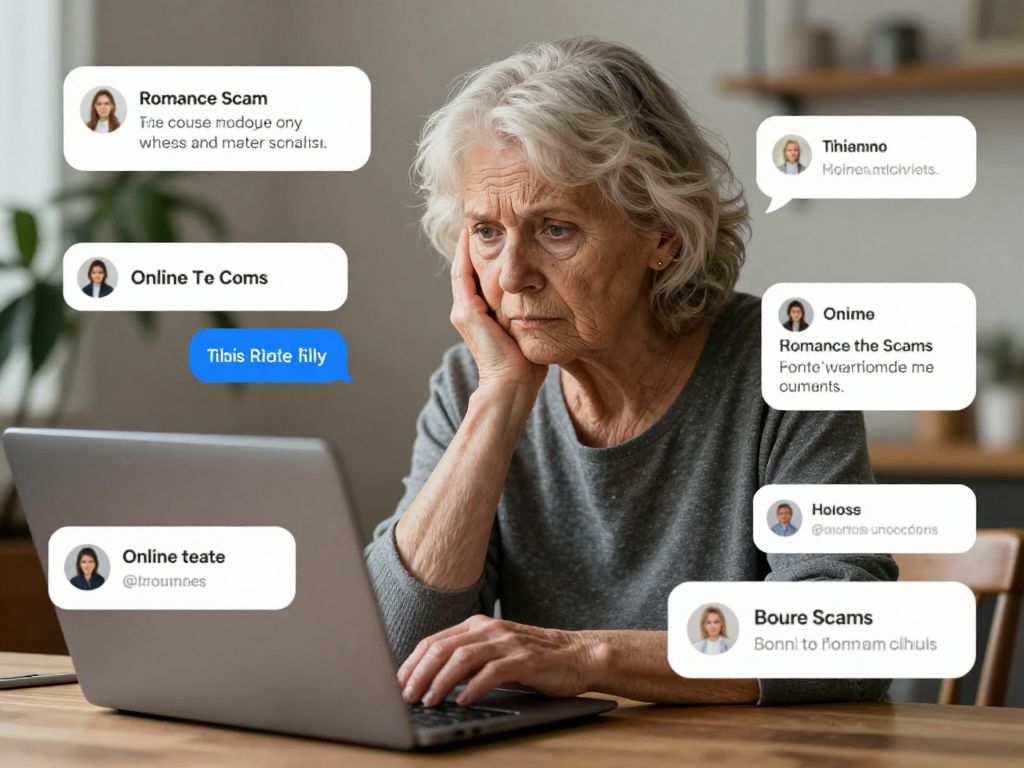
A recent romance scam incident in Hilton Head involved a 74-year-old woman who lost $300 after falling prey to fraudsters posing as ICE agents. This event highlights the growing sophistication of online scams and the importance of community awareness to safeguard individuals and maintain economic stability. Local officials urge residents to recognize potential red flags in online interactions to protect against these deceptive schemes.
Hilton Head: Navigating Online Risks to Safeguard Community Well-Being
Lowcountry Woman Targeted by Elaborate Romance Scam
The digital age, while offering unparalleled connectivity and opportunities, also presents new challenges to individual and community security. A recent incident in Hilton Head, South Carolina, highlights the sophisticated nature of online fraud, where a local woman became the target of a romance scam that cleverly incorporated the impersonation of law enforcement. This event serves as a crucial reminder for residents to maintain vigilance in their online interactions, protecting both personal finances and the broader economic stability of the Beaufort County economy.
In our interconnected world, fostering individual awareness and community resilience against digital threats is paramount. While we celebrate the spirit of Hilton Head SC business and the innovation that drives local prosperity, it is equally important to acknowledge and address the evolving landscape of online risks. Scammers constantly adapt their tactics, making it essential for individuals to be informed and cautious, safeguarding their personal achievements and contributing to a secure environment for all.
The Anatomy of a Deceptive Scheme
On January 22, a 74-year-old Hilton Head Island resident reported to police that she had fallen victim to a sophisticated romance scam, losing $300. The elaborate scheme began with a supposed “boyfriend” who had planned to travel from Auburn, Alabama, to the Lowcountry to meet her. However, the man never arrived. Subsequently, the woman received calls from individuals claiming to be U.S. Immigration and Customs Enforcement (ICE) agents, who asserted that her boyfriend had been detained at the Atlanta airport. These imposter agents then demanded money for his supposed release.
To enhance the scam’s credibility, the victim also received a phone call from a man purporting to be her boyfriend’s son, allegedly residing in the United Kingdom. This individual claimed to have sent $200 to assist with his father’s predicament. The woman, concerned about her boyfriend’s alleged detention and potential personal repercussions, sent $300 to the scammers in the form of Walmart gift cards. This incident underscores how fraudsters combine elements of romance scams with the tactic of impersonating law enforcement, exploiting emotional vulnerabilities and leveraging current events to create a sense of urgency and fear.
Understanding Romance Scams
Romance scams are a form of confidence fraud where criminals create fake online identities to gain a victim’s affection and trust. The scammer then uses the illusion of a romantic or close relationship to manipulate and steal from the victim. These relationships often begin on social media or dating applications, though they can also originate on online job sites. Scammers typically aim to establish a relationship quickly, showering the victim with affection to build trust. They may even propose marriage and plan to meet in person, but these meetings rarely, if ever, materialize.
Common red flags of romance scams include the individual claiming to live, work, or travel abroad, having inconsistent stories, or possessing a minimal online presence. Scammers may also send generic or AI-generated photos of themselves in luxurious settings, quickly profess love, and provide excuses for not being able to make video calls or for video calls where their face is unclear. They often push to move conversations to separate apps like WhatsApp or Telegram, and frequently request money through non-traditional methods such as cryptocurrency or gift cards. Victims are often advised never to send money to someone they have only communicated with online or by phone.
The Widespread Impact of Online Fraud
Nationwide, romance scams represent a significant financial threat. In 2021, Americans reportedly lost $1 billion to romance scammers, marking it as the most lucrative year on record for such schemes. The Federal Trade Commission reported that losses from romance scams reached $547 million in 2021, a substantial increase from previous years. In 2022, the FBI’s Internet Crime Complaint Center (IC3) received 19,000 confidence fraud complaints nationwide, with reported losses totaling at least $739 million. South Carolina residents, like those across the nation, can fall victim to these evolving tactics.
The financial repercussions of fraud extend beyond direct monetary losses. They can undermine investor confidence, distort market efficiency, and divert resources away from productive investments. For Hilton Head small business owners and the broader community, widespread fraud can erode trust in financial institutions and markets, potentially leading to increased transaction costs and a decline in overall economic confidence. Such activities can also place greater burdens on community services that assist fraud victims.
Protecting Our Community and Individual Achievements
Local law enforcement in Beaufort County, SC, advises residents that legitimate agencies will never solicit money over the phone. Recognizing the tactics of scammers is the first line of defense. Experts recommend being cautious about what personal information is posted online, researching individuals’ profiles and photos, and proceeding slowly in online relationships. If an individual seems too perfect or quickly tries to move communication off dating sites, these are significant red flags. It is also crucial to be wary if someone attempts to isolate you from friends and family or requests inappropriate photos or financial information, which could later be used for extortion.
For South Carolina SC entrepreneurs and all residents, protecting personal and financial information is paramount. Never share bank account details, open accounts, or send/receive money on behalf of someone you have only met online. If something feels suspicious, trusting your instincts and discussing concerns with a trusted friend or family member can provide an impartial perspective. These collective efforts in awareness and cautious engagement are vital for the continued vitality of our local economy and the protection of personal achievements.
Building Resilience Against Digital Threats
The incident in Hilton Head serves as a stark reminder of the persistent and evolving nature of online scams. While the immediate financial loss in this particular case was $300, the potential for greater harm, as seen in other nationwide romance scams where victims have lost significantly more, including life savings, is ever-present. Cultivating an informed and vigilant community is fundamental to mitigating these risks.
Support for scam victims is also a crucial element of community resilience. The Beaufort County Sheriff’s Office was aware that the Hilton Head woman had been a victim of “multiple phone scams” previously, indicating a need for ongoing support and education for vulnerable individuals. By empowering individuals with knowledge and encouraging open communication about suspicious online interactions, we can collectively strengthen our defenses against those who seek to exploit trust. This proactive approach supports individual autonomy and protects the foundational trust necessary for Hilton Head economic growth.
Conclusion
The recent romance scam affecting a Hilton Head resident underscores the importance of heightened awareness and proactive measures in our digitally connected world. Protecting ourselves and our community from online fraud is not just a personal responsibility but a collective endeavor that contributes to the overall health and stability of the Beaufort County economy. By staying informed about scam tactics, exercising caution in online interactions, and seeking advice from trusted sources, residents can safeguard their personal achievements and reinforce the resilience of our community. Let us continue to support one another in fostering a secure environment where entrepreneurial spirit thrives and individual well-being is prioritized.
Frequently Asked Questions
- What happened in the Hilton Head romance scam incident?
- A 74-year-old Hilton Head Island woman lost $300 after falling victim to a romance scam where fraudsters claimed her supposed “boyfriend” was detained by U.S. Immigration and Customs Enforcement (ICE) and demanded money for his release.
- How do romance scams typically work?
- Romance scammers create fake online identities to gain a victim’s affection and trust, often through dating apps or social media. They quickly profess love, create inconsistent stories, and then manipulate victims into sending money for various fabricated emergencies.
- What are common red flags of a romance scam?
- Red flags include claims of living or working abroad, inconsistent stories, a minimal online presence, quick declarations of love, excuses for not video calling or meeting in person, and requests for money via non-traditional methods like gift cards or cryptocurrency.
- What was the financial impact of romance scams Nationwide?
- Nationwide, Americans lost an estimated $1 billion to romance scammers in 2021. In 2022, the FBI’s Internet Crime Complaint Center (IC3) received 19,000 confidence fraud complaints nationwide, with reported losses of at least $739 million.
- How can individuals protect themselves from romance scams?
- Individuals can protect themselves by being cautious about information shared online, researching profiles and photos, going slowly in online relationships, never sending money to someone only met online, and discussing concerns with trusted friends or family members.
Key Features of the Hilton Head Romance Scam
| Feature | Description | Scope |
|---|---|---|
| Victim’s Location | Hilton Head Island, South Carolina | Local |
| Victim’s Age | 74 years old | Local |
| Amount Lost | $300 | Local |
| Scam Method | Combined romance scam with impersonation of ICE agents | Local (Specific Incident), Nationwide (Tactic) |
| Payment Method | Walmart gift cards | Local |
| Claimed Detention Location | Atlanta airport | Local (Specific Incident) |
| General Romance Scam Losses (2021) | $1 billion | Nationwide |
| General Romance Scam Complaints (2022) | 19,000, with $739 million in losses | Nationwide |
Deeper Dive: News & Info About This Topic
HERE Resources

Author: STAFF HERE HILTON HEAD
The HILTON HEAD STAFF WRITER represents the experienced team at HEREHiltonHead.com, your go-to source for actionable local news and information in Hilton Head Island, Beaufort County, and beyond. Specializing in "news you can use," we cover essential topics like product reviews for personal and business needs, local business directories, politics, real estate trends, neighborhood insights, and state news affecting the area—with deep expertise drawn from years of dedicated reporting and strong community input, including local press releases and business updates. We deliver top reporting on high-value events such as the RBC Heritage golf tournament, Hilton Head Island Wine & Food Festival, and the Gullah Celebration. Our coverage extends to key organizations like the Hilton Head Island-Bluffton Chamber of Commerce and Community Foundation of the Lowcountry, plus leading businesses in tourism and hospitality that power the local economy such as Sea Pines Resort and Sonesta Resort Hilton Head Island. As part of the broader HERE network, including HEREAiken.com, HEREBeaufort.com, HEREChapin.com, HERECharleston.com, HEREClinton.com, HEREColumbia.com, HEREGeorgetown.com, HEREGreenwood.com, HEREGreenville.com, HEREHiltonHead.com, HEREIrmo.com, HEREMyrtleBeach.com, HERENewberry.com, HERERockHill.com, and HERESpartanburg.com, we provide comprehensive, credible insights into South Carolina's dynamic landscape.